When Speed Battles Quality: The A3 DTG Printer Dilemma
Embracing the Chaos of Print Speed and Quality
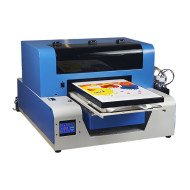
In a bustling print shop, the clock ticks in the background as an artisan juggles urgency with creativity. Picture this: A local entrepreneur, in pursuit of turning her unique designs into wearable art, faces an age-old conflict. She stands before her A3 T-shirt Printing Machine, a cutting-edge DTG (Direct to Garment) printer, which promises high-quality prints at unprecedented speeds. Yet, the tug-of-war between speed and quality looms ominously. With every tick, there’s a decision: sacrifice quality for speed or risk the wrath of missed deadlines.
Unpacking the Dilemma of Fast vs. Flawless
Is faster always better? When you’re racing against the clock, speed can seem king. Yet, consider the ramifications: A batch of shirts printed hastily might lead to subpar quality, dissatisfied customers, and ultimately, returns. Adopting a high-speed approach with the A3 DTG Printer requires expertise to maintain print integrity. With faster speeds, comes the risk of color bleeding, misalignment, and uneven substrates.
The Math Behind Speed and Quality
Imagine a print shop that processes 100 shirts per day. At a rate of 5 minutes per shirt on high quality, it means over 8 hours of nonstop printing. Opting for a faster setting might reduce time, but at what cost? The potential loss in quality could translate to additional time spent handling complaints, reprints, and lost business. Balancing speed and quality is not merely a technical decision, but a strategic business choice.
Craftsmanship in Every Print
The A3 DTG Printer, with its advanced printhead technology, is designed to offer the best of both worlds— when wielded with precision. For artisans, every shirt is a canvas. The difference between vibrant, long-lasting prints and faded disappointments lies in the meticulous setup, substrate preparation, and the careful calibration of print speeds suitable for every design.
Environmental and Economic Impacts
There’s an environmental and economic angle to consider. Printing at high speeds often increases energy consumption and wear on the machine, potentially accruing costs over time. On the other hand, slower printing could reduce electricity usage, extend the printer lifespan, and ultimately save on maintenance costs. The decision between speed and quality extends beyond immediate outputs to long-term sustainability.
Competitive Edge in the Marketplace
In the competitive world of custom apparel, the ability to deliver high-quality, unique prints rapidly can set a business apart. Ensuring each print meets customer expectations not only bolsters reputation but also encourages repeat business. Hence, mastering the A3 DTG Printer is about finding the perfect balance.
When Speed Eclipses Quality: Three Scenarios
The Startup Rush
A startup focused on fulfilling a large order for a viral campaign chooses speed over quality to meet a tight deadline. The initial delivery impresses with timely fulfillment, but upon closer inspection, the prints fade after the first wash. The short-lived success jeopardizes their reputation and future contracts.
Artisan's Dilemma
An artisan, passionate about intricate designs, opts for quality despite time constraints. While orders take longer to fulfill, the detailed craftsmanship wins customer loyalty and word-of-mouth referrals, securing a niche market.
E-commerce Expansion
An online retailer decides to bring fulfillment in-house using the A3 DTG Printer. By investing in employee training for optimal print settings, they successfully balance speed with quality, enhancing their brand image and profit margins through superior product offerings.
Expert Q&A: Navigating Speed vs. Quality
Q1: What factors influence the speed of the A3 DTG Printer?
A1: Speed is influenced by print resolution, ink type, and substrate material. Lower resolutions increase speed but may compromise quality.
Q2: How can businesses optimize print quality without slowing down operations?
A2: Regular maintenance, proper substrate selection, and calibration of print settings are crucial for maintaining quality at higher speeds.
Q3: What is the impact of speed on printhead life and maintenance?
A3: Higher speeds can increase printhead wear, necessitating more frequent maintenance. Balancing speed and maintenance schedules is advisable.
Q4: How does faster printing affect ink consumption?
A4: Faster printing may lead to increased ink use due to potential errors and reprints from lower quality settings.
Q5: Can speed adjustments impact environmental sustainability?
A5: Yes, reducing speed can lower energy consumption, decrease emissions, and prolong equipment life, supporting sustainable practices.
The Verdict: Striking the Perfect Balance
Operating an A3 T-shirt Printing Machine DTG Printer is not just about high-tech equipment; it’s a strategic dance of speed and quality. For businesses that master this balance, the rewards are immense—loyal customers, enhanced reputation, and ultimately, fewer headaches from reworks and returns. As the world zooms ahead, those who pause to perfect will stand the test of time.
Explore the A3 DTG Printer at gnfei.com for unparalleled performance in your print journey.