
Hybrid UV Printer Systems Enabling Mixed-Material Printing: From Ceramics to Promotional Products
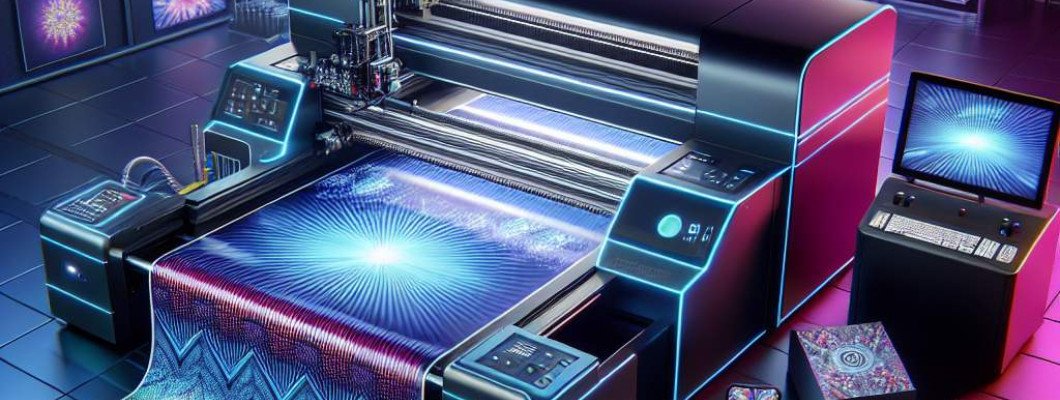
Are you struggling to print on different materials seamlessly?
If you"ve ever tried to print on ceramics, plastics, or promotional products with one machine, you know it"s not always straightforward. The challenge? Different materials often require different printing settings or even entirely separate equipment. But what if there was a way to unify your process and print on multiple substrates with one system?
This is where hybrid UV printer systems come into their own. They"re revolutionizing the way businesses handle mixed-material printing by offering versatility and efficiency like never before. Imagine printing on a ceramic mug one day and a plastic keychain the next—without changing your machine. Sounds good, right? Keep reading, and I"ll show you how these systems can transform your workflow.
Understanding Hybrid UV Printer Systems
What makes a hybrid UV printer special?
A hybrid UV printer combines different technologies to handle multiple materials within a single setup. Unlike traditional printers that are optimized for only one type of substrate, hybrid systems are adaptable. They often feature adjustable print heads, variable ink formulations, and versatile curing options. This means you can switch from printing on rigid, porous, or curved surfaces without costly machine changes.
Think of it as having a Swiss Army knife for printing—compact, efficient, and ready for any challenge. For example, some hybrid systems can print directly onto ceramics, plastics, glass, or promotional items like pens and keychains. This level of flexibility saves time and reduces costs dramatically.
The Benefits of Hybrid UV Printing for Different Materials
Versatility and efficiency
- One machine, multiple substrates: No need for different equipment for each material.
- Fast changeovers: Switch between materials quickly, reducing downtime.
- Cost-effective: Cut expenses related to multiple printers and maintenance.
- High-quality output on complex shapes: Capable of printing on curved, uneven, or textured surfaces.
Examples of materials you can print on
Let"s say you"re printing custom souvenirs. You might want vibrant images on ceramics, durable logos on plastics, or intricate designs on promotional items like pens or USB drives. Hybrid UV printers enable all this within one system.
For instance, a jewelry store could print detailed designs directly onto ceramic or glass pieces, creating bespoke products without extra equipment. Or a promotional product company can churn out customized pens, keychains, and USB drives efficiently, all in a single run.
Real-World Applications of Hybrid UV Systems
Case Study: Art Studio Taps Into Multi-Material Printing
Recently, I chatted with a small art studio that specialized in custom ceramics and promotional merch. They struggled with their old setup, switching machines when moving from ceramics to plastics. Once they adopted a hybrid UV system, everything changed.
Now, they print full-color images directly onto ceramic mugs and glass photo frames without changing machines. Plus, they"ve started offering personalized corporate gifts, printing logos on everything from acrylic awards to promotional pens. Their productivity doubled, and customer satisfaction shot up.
Choosing the Right Hybrid UV Printer System
Key considerations
- Material compatibility: Ensure the printer can handle your primary substrates, like ceramics, plastics, or glass.
- Print size and resolution: Consider the maximum printable area and image quality requirements.
- Ink options: Check if the machine supports UV inks suitable for your materials and finishing needs.
- Ease of use and maintenance: Look for user-friendly features and robust build quality.
For example, if your main focus is promotional products, look for a model that excels in printing vibrant, durable images on small items like pens and keychains. Want versatility? Choose a system with adjustable heads and multiple ink channels.
Why Hybrid UV Printing is Worth the Investment
Investing in a hybrid UV system can seem daunting at first, but the ROI makes it worthwhile. You"ll reduce the need for multiple machines, cut production times, and expand your product offerings. Plus, you can experiment with new materials and designs, opening up fresh revenue streams.
Many users report that their flexibility increased dramatically, helping them win new clients and get orders out faster. It"s like having a secret weapon in a competitive market.
Looking for a Proven Hybrid UV Printer Solution?
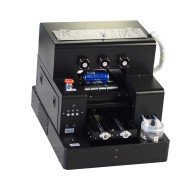
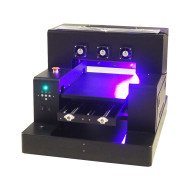
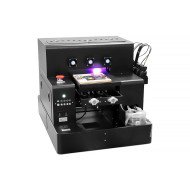
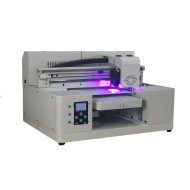
If you want to see what a reliable and capable hybrid UV system looks like, check out this UV printing machine. It offers high-quality, multi-material printing capabilities perfect for a wide range of applications.
This kind of system can handle ceramics, plastics, glass, and promotional products all in one platform. Whether you're printing custom awards, promotional items, or art pieces, you"ll find it versatile and powerful.
FAQs About Hybrid UV Printers
Q1: Can I print on curved surfaces with a hybrid UV system?
Absolutely. One of the main advantages is the ability to print on curved or textured surfaces with high precision.
Q2: Are hybrid UV printers suitable for small businesses?
Yes. They"re cost-effective and flexible, making them ideal for small to medium enterprises looking to diversify their product lines.
Q3: What kind of inks do hybrid UV printers use?
Most use UV-curable inks, which dry instantly when exposed to UV light. These inks are durable, vibrant, and adhere well to various materials.
Q4: How much space do these machines typically require?
Size varies, but most models are designed to fit comfortably in standard print shops. Always check the dimensions before purchasing.
Q5: Is training required to operate a hybrid UV printer?
While many systems are user-friendly, some training ensures you maximize your investment. Reputable suppliers often include setup and training support.

Leave a Comment