
Discover How Edible Food Printers Are Changing Culinary Experiences

Discover How Edible Food Printers Are Changing Culinary Experiences
Imagine a future where creating gourmet meals requires just a few taps on a screen or a simple command. Edible food printers, a cutting-edge advancement in food technology, are turning this vision into reality. These innovative devices utilize 3D printing technology to produce foods with precision, creativity, and efficiency. From personalised treats to intricate culinary art, edible food printers are opening up new possibilities in kitchens worldwide.
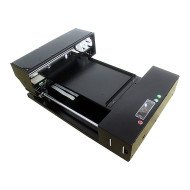
At their core, edible food printers work by depositing layers of edible ingredients—such as chocolate, dough, or pureed fruits—based on digital designs. This process allows chefs and home cooks to craft complex shapes and textures that would be difficult or impossible to produce manually. For example, chefs can create detailed edible decorations for desserts or even replicate intricate sculptures in sugar or chocolate, offering a new dimension of artistic expression in cuisine.
Furthermore, these printers are incredibly versatile. They can work with a variety of edible materials, enabling customization for dietary needs such as gluten-free, vegan, or allergen-specific foods. This makes edible food printers particularly appealing for the innovative food industry, catering to consumers seeking unique, personalised dining experiences. Additionally, they can help reduce food waste by precisely measuring ingredients and optimizing portions, contributing to more sustainable food practices.
Beyond professional kitchens, edible food printers are becoming increasingly accessible for home use. Imagine printing your own customised snacks or healthy meals at home, tailored to your taste preferences or nutritional goals. This democratization of food manufacturing empowers individuals to explore culinary creativity in their own kitchens. As technology advances, we can expect these devices to become more affordable and user-friendly, transforming everyday cooking routines.
Despite their promising potential, challenges remain. Current limitations include the speed of printing, texture consistency, and the availability of diverse edible inks. Researchers and companies are actively working to improve these aspects, aiming for rapid, reliable, and flavourful results. As innovation continues, edible food printing is poised to complement traditional cooking methods, offering a fusion of technology and gastronomy that sparks curiosity and excitement across the globe.
In conclusion, edible food printers are set to revolutionise the culinary landscape by enabling personalised, artistic, and sustainable food creation. Whether in high-end restaurants or your own kitchen, this technology offers a glimpse into the future of food—more interactive, creative, and tailored to individual tastes. Are you ready to experience this exciting transformation?














Leave a Comment