
Smart manufacturing gains traction as UV printer technology drives small-format on-demand production
Are you struggling to keep up with the latest manufacturing trends?
If you"ve been in the manufacturing industry for a while, you know how fast things change. Traditional methods often fall short on speed, flexibility, and cost-efficiency. But here"s the thing—**smart manufacturing is gaining serious traction**, and UV printer technology is at the forefront of this transformation. That"s especially true for small-format on-demand production, where precision and speed matter the most.
What is Smart Manufacturing and Why It Matters
Understanding the Basics
Smart manufacturing combines digital tools, automation, and data analytics to make production smarter, faster, and more flexible. Think of it as giving your factory a brain—machines that communicate, learn, and adapt. This approach reduces waste, cuts costs, and accelerates delivery times. The end goal? Meeting customer demands rapidly without sacrificing quality.
Imagine a printing business that can produce customized labels or packaging on demand, without the need for large inventory. That"s the power of smart manufacturing in action.
UV Printer Technology: The Game Changer in Small-Format On-Demand Production
What is UV Printing?
UV printing uses ultraviolet light to instantly cure ink on various surfaces. This means the ink dries and hardens in seconds, allowing for high-quality, durable prints on a variety of materials. No need for lengthy drying times or complex setups.
Why It"s Perfect for Small-Format, On-Demand Production
- Speed: Instant curing speeds up production, enabling quick turnaround for small batches.
- Flexibility: Easily switch between different designs or substrates without extensive adjustments.
- Cost-Efficiency: Reduce waste and lower setup costs; only produce what"s needed.
- High Quality: Sharp details and vibrant colors make products stand out.
If you've ever juggled multiple small orders, you know how frustrating it can be to set up traditional printing processes for each job. UV printers simplify that process, making on-demand small-scale production a breeze.
Real-World Applications of UV Printer-Driven Smart Manufacturing
Customized Packaging and Labels
Brands now demand personalized packaging. UV printers can produce short runs of custom labels or packaging prototypes quickly and cost-effectively. This flexibility helps businesses test new designs without massive investments.
Promotional Products and Corporate Gifts
Quickly printing logos and unique designs on items like mugs, pens, or business cards allows for fast delivery—ideal for last-minute marketing campaigns.
Decorative Items and Art
Artists and designers are leveraging UV printing to create textured, detailed pieces on diverse surfaces—wood, metal, plastic—without waiting for long production cycles.
Integrating UV Printing into Your Smart Manufacturing Setup
Step-by-Step Approach
- Assess Your Needs: What products do you want to produce on demand? What volume are you aiming for?
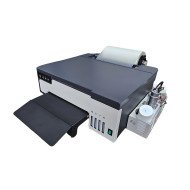
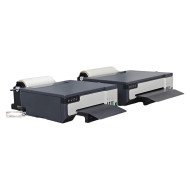
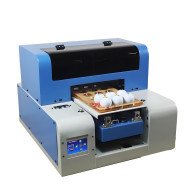
- Select the Right Equipment: Consider a UV printer that suits small-format, quick turnaround needs. You can explore options like the Glossy UV Coating Printer.
- Integrate Digital Workflow: Use data management tools for order tracking, design customization, and real-time monitoring.
- Train Staff: Ensure your team understands how to operate UV printers efficiently and troubleshoot common issues.
Combine with Other Smart Tech
Pair UV printers with automated inventory systems, AI-based scheduling, and IoT sensors. This integrated approach maximizes efficiency, reduces downtime, and enhances product quality.
Future Trends in UV Printing and Smart Manufacturing
- Greater Customization: Customers will demand even more personalized products, and UV printers will make this feasible.
- Automation and AI: Intelligent systems will optimize production lines, foresee maintenance needs, and manage workflows autonomously.
- Sustainable Manufacturing: UV printing consumes less energy and produces less waste, aligning with eco-friendly initiatives.
Getting ahead with UV printer technology isn"t just about keeping up—it"s about leading the charge in small-format, on-demand manufacturing. Whether you"re producing promotional items or customized packaging, embracing these innovations will set you apart.
FAQs
1. How does UV printing compare to traditional printing methods?
UV printing is faster, more flexible, and produces high-quality results on diverse materials. It also cures instantly, reducing drying time and making on-demand small-batch production easier.
2. What types of surfaces can UV printers handle?
They can print on a variety of materials including plastics, glass, metal, wood, and textiles. That versatility makes them ideal for multiple industries.
3. Is UV printing environmentally friendly?
Yes, it uses less energy and produces less waste compared to traditional solvent-based methods. Plus, the instant curing process reduces emissions and excess ink.
4. Can UV printers be integrated with existing manufacturing automation?
Absolutely. They can be seamlessly incorporated into digital workflows, IoT systems, and automated production lines for maximum efficiency.
5. What"s the typical investment for a small-format UV printer?
The cost varies depending on features and capacity, but entry-level units start around a few thousand dollars. Think of it as an investment that pays off through faster, flexible production.














Leave a Comment