
Print-on-demand marketplaces expanding globally thanks to DTF printer versatility across fabrics
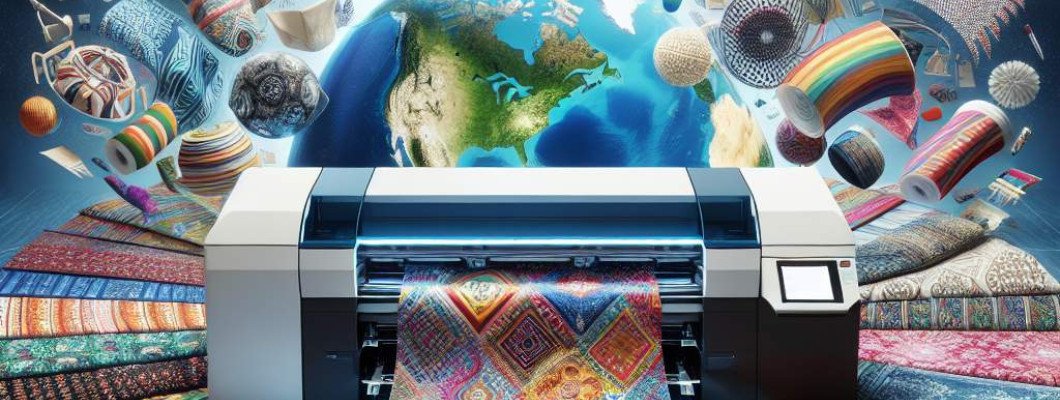
Are you struggling to keep up with the fast-changing world of print-on-demand (POD) businesses? Do you wonder how some online marketplaces manage to expand globally while others stay stuck in local markets? The secret lies in leveraging innovative printing technology, especially the *DTF printer's versatility across fabrics*. This technology has revolutionized how POD entrepreneurs and brands can reach international audiences with high-quality, customizable products.
Print-on-demand marketplaces are growing faster than ever, thanks to advancements in printing methods that suit a variety of fabrics. Unlike traditional printing, which often limited users to specific materials or colors, newer digital solutions like Direct-to-Film (DTF) printers enable production on a wide range of textiles — cotton, polyester, blends, and even leather. This flexibility allows sellers to cater to diverse customer preferences worldwide, expanding their reach and sales potential.
The Power of DTF Printer Versatility in Global Expansion
Imagine you're chatting with a friend about starting an online shop that sells custom t-shirts, hoodies, or even bags. They tell you they"ve been stuck with limited fabric options, which restricts their product range. Then, you introduce them to the DTF printing technology. They realize that with the right DTF printer, they can print vibrant images and designs on almost any fabric, opening new markets and customer segments for their business.
Here"s why DTF printers are game-changers for global POD marketplaces:
- Wide Material Compatibility: DTF technology works seamlessly on various textiles, including cotton, polyester, blends, and even non-textile surfaces. This means businesses can diversify their product lines without investing in multiple printers.
- High-Quality Prints on Different Fabrics: The vivid colors and durability of DTF prints ensure your products stand out in a crowded market, whether it"s apparel, accessories, or home decor.
- Cost-Effective Production: Since DTF printers can produce on multiple fabric types, brands save money by reducing inventory and increasing production flexibility, making it easier to test new markets without heavy investment.
- Faster Turnaround Times: Digital printing means quick setup and printing, essential for meeting international orders with short lead times.
- Scalability for Global Growth: As demand grows, DTF printers can handle higher volumes efficiently, supporting your expansion into new countries and regions.
How DTF Printing Transforms the Business Model
Let"s look at an example. John runs a small online store selling custom sportswear. He began with traditional screen printing but faced limitations: long setup times and the inability to print on different fabric types. After switching to a DTF printer, he could seamlessly expand his product offerings to include polyester-based athletic wear, tote bags, and hats — all with vibrant graphics and durable prints. His sales tripled, and he entered markets in Europe, Asia, and South America effortlessly.
Adapting to market demands became simpler because DTF technology simplifies supply chain management and reduces inventory risks. You no longer need to stock dozens of SKUs or worry about minimum order quantities. Instead, you can focus on designing and marketing, while the DTF printer takes care of the production on demand. This flexibility makes expanding globally more achievable than ever.
Key Strategies to Leverage DTF Printers for Global POD Success
If you're planning to grow a global print-on-demand business, consider these strategic steps:
- Identify Diverse Market Needs: Conduct research to understand fabric preferences and popular designs in various regions.
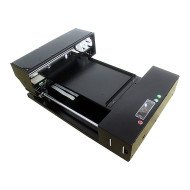
- Invest in a High-Quality DTF Printer: Reliable equipment ensures consistent results and long-term operation. For an excellent option, check out this DTF/DTG Printer.
- Create Region-Specific Designs: Customize graphics respecting local culture and trends to increase appeal.
- Develop Multilingual Marketing: Expand your reach by communicating effectively with international customers.
- Set Up Efficient Logistics: Partner with reliable international shipping providers to ensure timely delivery.
Overcoming Challenges in Global Print-on-Demand Expansion
Expanding worldwide isn't without hurdles. Here are some common obstacles and solutions:
- Fabric and Material Regulations: Different countries have specific import/export rules. Stay informed about customs and import duties to avoid delays.
- Design Copyright and Cultural Sensitivity: Respect local cultures and avoid offensive content. Use regional insights to create appealing designs.
- Language Barriers: Use multilingual customer support and localized sites to better serve international clients.
- Quality Control: Maintain consistent standards by selecting reliable DTF printers and quality materials.
Future Outlook: Why DTF Printing Will Keep Fueling Global Growth
The digital printing landscape is evolving rapidly. As more companies adopt versatile DTF printing solutions, we can expect even greater market penetration, faster turnaround times, and more sustainable production practices. Trends like eco-friendly inks and biodegradable materials complement this growth, making print-on-demand a sustainable choice for worldwide markets.
Whether you"re a startup or an established brand, embracing DTF technology is no longer optional—it's essential for thriving in a competitive, globalized marketplace. The ability to print on a broad variety of fabrics with high quality and efficiency positions your business for international success.
Frequently Asked Questions
1. What makes DTF printers better than traditional screen printing?
DTF printers offer **faster setup times, higher detail, and compatibility with more fabric types**. They allow on-demand production, which reduces inventory risks and expands product options.
2. Can DTF printing be used for small batches or one-off products?
Yes, DTF is ideal for small orders and personalized items. It"s cost-effective and quick, perfect for testing new designs or markets without large investments.
3. How durable are DTF prints on different fabrics?
DTF prints are **highly durable**, resistant to washing and fading, making them suitable for clothing and accessories intended for regular use.
4. Is DTF printing environmentally friendly?
Modern DTF inks and processes are increasingly eco-friendly, using water-based or biodegradable inks that minimize environmental impact.
5. What should I consider when choosing a DTF printer for my business?
Important factors include **print quality, compatibility with fabrics, speed, ease of use, and vendor support**. Ensure the printer fits your production volume and product range.














Leave a Comment