
Packaging brands accelerating speed-to-market through uv printing machine upgrades and hybrid workflows
Struggling to accelerate your packaging delivery times? You're not alone.
Many packaging brands are facing the same challenge: how to get products to market faster without sacrificing quality. If this sounds familiar, it"s time to look into the latest upgrades in UV printing technology and how hybrid workflows can transform your production line. These tools are revolutionizing speed-to-market, making it easier to meet tight deadlines and stay ahead of the competition.

Why UV Printing Machine Upgrades Matter
Faster Production Cycles
Upgrading your UV printing machines can significantly cut down cycle times. Modern UV printers are designed for consistency and speed, allowing brands to produce more with fewer errors. This means you can turn around packaging jobs quicker, from design to delivery. It"s like having an extra set of hands in your factory, but better.
Enhanced Print Quality
Older machines may struggle with high-quality finishes, especially on custom or complex designs. New UV printers, especially those with advanced LED or mercury-based UV lamps, produce vibrant, durable images that add value to your packaging. Faster doesn"t mean compromising quality—your products will look premium and eye-catching.
Flexibility for Customization
Bulk runs are important, but today"s market demands customization. Upgraded UV printers handle variable data and short runs efficiently. This flexibility helps brands respond quickly to market trends or special campaigns. The result? Faster turnaround times for personalized packaging.
Hybrid Workflows: Combining Traditional and Modern Techniques
What is a Hybrid Workflow?
Think of hybrid workflows as combining the best of both worlds: traditional printing methods and modern UV printing technology. This approach allows brands to optimize their production processes, balancing speed, cost, and quality. Instead of choosing between old and new, you integrate them for maximum efficiency.
Benefits of Hybrid Workflows
- Faster Production Times: Use traditional methods for bulk, and UV printing for quick customization or finishing touches.
- Lower Costs: Save money by not switching entirely to expensive new equipment for all jobs.
- Greater Flexibility: Switch seamlessly between printing methods depending on the job complexity or urgency.
- Minimized Downtime: Your production isn"t halted if one system needs maintenance or upgrades.
How to Implement Hybrid Workflows
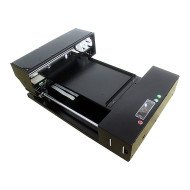
Start by assessing your current equipment and workflows. Identify where bottlenecks happen. Then, consider integrating UV printing machines designed for hybrid systems—a good example is the [Spot UV printing machine](https://www.gnfei.com/products/spot-uv-printing-machine-glossy-uv-coating-printer.html). These machines can be used alongside traditional presses to create a seamless process. Training your staff and scheduling regular maintenance can also ensure everything runs smoothly.
Case Study: A Packaging Brand"s Success Story
Jennifer owns a mid-sized packaging company. Her team used to struggle with long turnaround times, especially for custom boxes. They relied heavily on traditional presses, which limited flexibility and slowed everything down. After investing in a new UV printing machine and adopting a hybrid workflow, their productivity skyrocketed. Only last month, they completed a large order in half the usual time. The front line? Faster production with high-quality finishes and shorter setup times. Jennifer told me, "It"s like we turned our slow ship into a speedboat."
Key Tips for Upgrading and Optimizing Your Workflow
- Invest in the right UV printer: Research models with quick setup, high reliability, and versatile capabilities. For example, check out the [Spot UV Printing Machine](https://www.gnfei.com/products/spot-uv-printing-machine-glossy-uv-coating-printer.html).
- Train your team: Ensure staff are familiar with new tech to maximize uptime and quality.
- Streamline your workflow: Map out your processes to identify bottlenecks and integrate hybrid methods effectively.
- Focus on flexibility: Choose equipment that can switch between different print modes and finishes as needed.
- Maintain your machinery: Regular servicing keeps everything running at peak performance.
Why Packaging Brands Can't Ignore This Now
In a competitive market, speed-to-market isn"t just a bonus; it"s essential. Consumers want their products fast, and brands that deliver quick, high-quality packaging gain an edge. Upgrading UV printing machines and adopting hybrid workflows isn"t just a tech upgrade—it's a strategic move. It allows you to respond swiftly to trends, customize packaging easily, and reduce costs over time.
FAQs
Q1: How expensive are UV printing machine upgrades?
The cost varies depending on the model and features. Entry-level UV printers start around several thousand dollars, while high-end industrial models can exceed $100,000. Consider the return on investment through increased speed and quality.
Q2: Can existing workflow be easily integrated with new UV printers?
Generally, yes. Many UV printers are designed with compatibility in mind. It's best to consult with your supplier to ensure seamless integration or consider hybrid models explicitly built for easy compatibility.
Q3: How does hybrid workflow improve turnaround times?
It allows you to allocate jobs efficiently—bulk jobs on traditional presses and quick-turnaround jobs on UV machines, often with fewer setup requirements. This flexibility saves valuable time.
Q4: Are there any limitations I should be aware of?
Some UV printers may have limitations in size or in handling certain materials. Proper planning and choosing the right model for your specific needs are crucial. Also, ongoing maintenance is essential for consistent performance.
Q5: How can I start transitioning to this new workflow?
Begin with an assessment of your current process and identify pain points. Then, consult with suppliers, like GNFEI, for recommended equipment and workflow strategies. Pilot projects can help smooth the transition before full adoption.














Leave a Comment