
Independent fashion labels accelerating product drops as DTG PRINTER enables rapid small-batch manufacturing
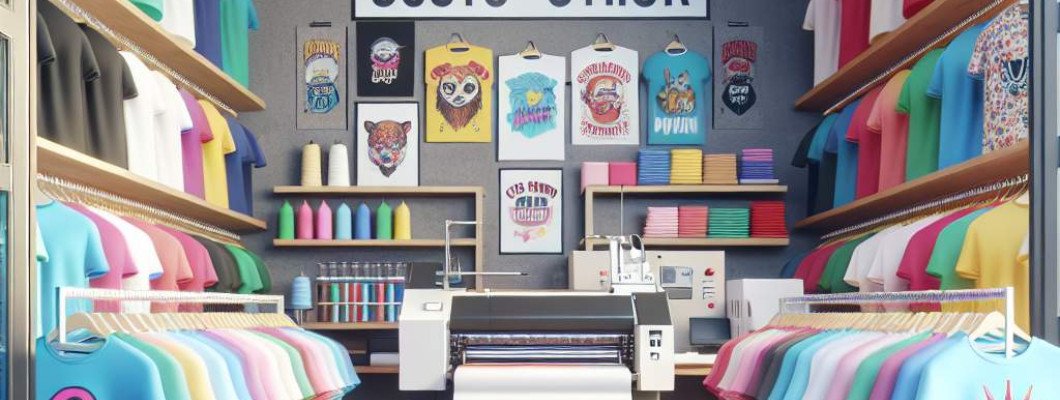
Are You Struggling to Keep Up with Fast-Paced Fashion Trends?
If you're an independent fashion label, you know how challenging it can be to stay ahead in a competitive market. Rapid product drops are crucial for maintaining buzz and satisfying customer demand. But traditional manufacturing methods often slow things down, making quick turnarounds difficult and costly. What if there was a way to speed up your production without sacrificing quality? That"s where the DTG (Direct-to-Garment) printer comes in.
Why Independent Fashion Labels Need Faster Production Cycles
Staying Relevant with Rapid Product Drops
Good fashion brands don"t wait weeks or months to release new collections. Instead, they embrace the faster pace of modern retail, releasing limited editions or exclusive drops more frequently. But scaling this up with conventional screen printing or bulk manufacturing can be expensive and time-consuming. This leads to missed opportunities and seasonal delays.
Challenges with Traditional Manufacturing
- High setup costs — You often need large runs to make printing worthwhile, which ties up capital and increases waste.
- Long lead times — It can take weeks to produce and ship your designs, especially if you rely on multiple suppliers.
- Limited flexibility — Changing a design or colorway means re-tooling, delaying your launch even further.
This is where digital textile printing techniques, like Direct-to-Garment (DTG), come into play.
How DTG Printers Power Small-Batch and On-Demand Production
What Is a DTG Printer?
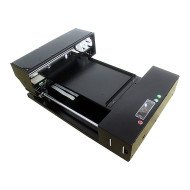
A DTG printer works like a high-end inkjet for fabrics. It sprays specially formulated inks directly onto garments, producing detailed, vibrant images. For indie labels, it's a game-changer – you can produce small runs, even singular pieces, with stunning quality.
Benefits of DTG for Fashion Labels
- Speed & Agility — From design to finished product can happen in days, not weeks.
- Low Setup Costs — No screens or molds needed; just your digital designs.
- Unlimited Colors & Details — Perfect for intricate artwork and photo-realistic prints.
- Eco-Friendly — Uses water-based inks, reducing chemical waste and emissions.
- Customization & Flexibility — Easily change designs and run small batches without extra costs.
Imagine chatting with a fellow designer who used to wait six weeks for a batch of specialty tees. Now, she"s printing and dropping new designs within a week. That"s the power of a good DTG printer.
Choosing the Right DTG Printer for Your Label
Factors to Consider
- Print Quality — Look for printers that offer high resolution with vibrant colors.
- Speed & Capacity — Ensure it can handle your expected order volume.
- Ease of Use — Training time matters. User-friendly machines save time.
- Cost of Operation — Consider ink, maintenance, and consumables over the long run.
- Size & Space — Pick a model that fits your workspace comfortably.
Better to start with a versatile machine that can grow with your label"s needs. The [A3 DTG Printer](https://www.gnfei.com/products/a3-dtg-printer.html) is a popular choice among indie brands for its balance of quality and size.
Implementing Small-Batch Manufacturing: Tips & Strategies
Integrate Digital Printing into Your Workflow
Set up a dedicated space for printing. Keep your digital files organized, and integrate your design process with your print schedule. Automate where possible and plan your design releases ahead of time.
Focus on Limited Editions and Exclusive Drops
This strategy creates hype around each release. With rapid manufacturing, you can tweak designs and products at short notice based on customer feedback or trends. Your audience will appreciate the freshness and exclusivity.
Partner with a Reliable Print Service
If you don't want to buy a printer outright, consider partnering with print-on-demand providers who use DTG technology. This reduces upfront costs and allows you to test new ideas risk-free.
Real-World Example: The Indie Label Success Story
Last year, a small streetwear brand started using a DTG printer to launch capsule collections weekly. They cut their product development time from four weeks to just days. Their loyal customers loved the new drops, and sales skyrocketed. The best part? They could customize designs based on real-time feedback, making each drop more aligned with customer desires.
Frequently Asked Questions (FAQs)
1. Do I need lots of space for a DTG printer?
Not necessarily. Many modern DTG printers, like the A3 model, fit into small studios or workspaces. Make sure to check the dimensions before purchasing.
2. Is digital textile printing durable enough for retail?
Yes. Modern DTG inks are designed to be long-lasting, even after multiple washes. Proper curing and care ensure durability.
3. How much does a typical DTG printer cost?
Entry-level models can start around $10,000, but prices vary based on features and size. The investment pays off with faster turnarounds and lower setup costs.
4. Can I use my existing designs for DTG printing?
Absolutely. Most DTG printers accept standard digital files like PNG, TIFF, or PSD. Well-prepared designs look even better with high-resolution images.
5. Is DTG printing eco-friendly?
Compared to traditional screen printing, DTG uses less water, produces less waste, and employs water-based inks, making it a more sustainable choice.













Leave a Comment