
Digital-native apparel brands reshaping supply chains with DTG PRINTER powered on-demand production
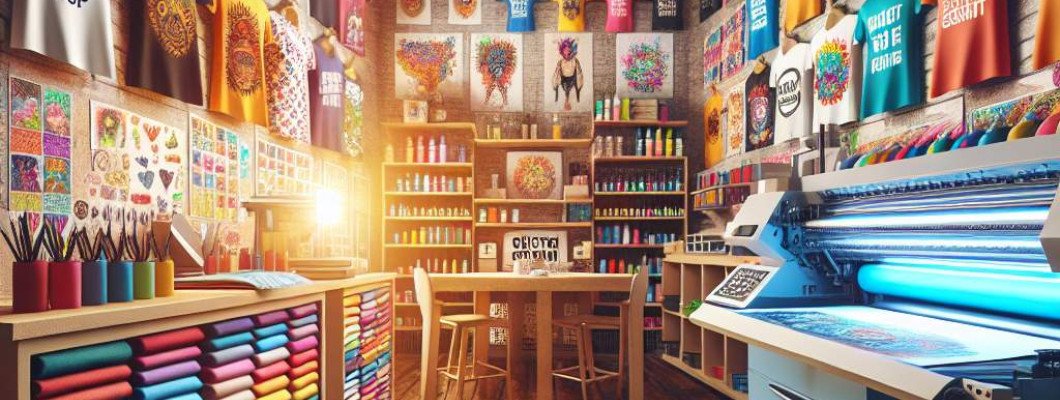
Struggling to keep up with fast-changing fashion trends and supply chain delays?
If you're in the apparel business, you"ve probably noticed how traditional supply chains are often slow, costly, and wasteful. It"s no secret that the industry is shifting towards more flexible, on-demand manufacturing models. That"s where digital-native apparel brands are making a huge impact — they leverage technology like DTG printers to revolutionize how clothes are made and delivered. If you"re curious about how these brands are reshaping the game with on-demand production, you"re in the right place.
What is a DTG printer and why is it a game-changer?
Understanding Direct-to-Garment (DTG) Printing
DTG stands for 'Direct-to-Garment' printing. Think of it as laying ink directly onto fabric with a high-tech inkjet printer — like printing on paper, but for clothes. It allows for detailed, full-color designs directly on textiles, cutting out the need for screen printing or mass production setups. This technology makes small runs or even one-off designs affordable and quick.
Why digital-native brands rely on DTG printers
- Fast Turnaround: No more waiting weeks for bulk orders. Your designs go from concept to product in days.
- Customization: Customers love personalized products. DTG allows for intricate designs on demand, perfect for niche markets.
- Reduced Waste and Inventory Costs: Print only what you sell, reducing overstock and leftover inventory.
- Higher Quality and Durability: Newer DTG models offer vibrant, long-lasting prints that satisfy customers and minimize returns.
Supply chains rethink: From mass production to on-demand manufacturing
The shift from traditional to flexible supply models
Traditional apparel supply chains depend heavily on bulk manufacturing—producing huge quantities to get costs down and then storing inventory until sold. This often leads to excess stock, markdowns, and waste. Digital-native brands, however, are adopting **on-demand production**, powered by DTG printing, to change that. They only produce garments when customers place orders, making supply chains leaner and more sustainable.
How on-demand production empowers brands
- Reduced Lead Times: Products can go from design to delivery in just days instead of months.
- Lower Capital Investment: Less money tied up in inventory, freeing resources for innovation and marketing.
- Better Customer Experience: Consumers get exactly what they want, when they want it, with no excess stock left unsold.
- Sustainable and Eco-Friendly: Less waste, lower carbon footprint, and fewer discarded garments in landfills.
Real-world example: A small startup making big waves
Imagine talking with a friend who started a niche apparel brand. She used to order blank clothing in bulk, print designs in a local shop, and hold inventory. It was slow and often unsuccessful because her designs would go out of style or not sell quickly enough. She switched to using a DTG printer, which allowed her to print on demand. Now, she can quickly test new designs, adapt to trends, and serve customers faster — all without wasting money on unsold stock. Her business grew because she could stay flexible and responsive, thanks to modern printing tech.
Choosing the right DTG printer for your brand
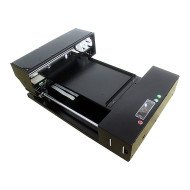
If you"re ready to move toward on-demand, investing in a reliable DTG printer is crucial. For example, check out the A3 DTG Printer. It offers high resolution, easy operation, and is designed for small to medium-sized apparel brands. When selecting a DTG printer, consider:
- Print quality — vibrant colors and durability
- Ease of use — simple setup and maintenance
- Cost of operation — ink, maintenance, and accessories
- Support and warranty — reliable after-sales service
Future-proof your apparel business with on-demand technology
Digital-native apparel brands are setting new standards for speed, flexibility, and sustainability. As consumer tastes become more personalized and eco-conscious, adopting DTG printers and on-demand production can give you a competitive edge. It"s a direct path to shorter supply chains, lower costs, and happier customers.
Remember, if you want to catch up and stay ahead, embracing this tech isn"t optional anymore — it"s essential. Whether you"re just starting out or looking to optimize your existing operations, a reliable DTG printer like the A3 DTG Printer can transform your supply chain and future-proof your apparel brand.
FAQs
1. How does DTG printing compare to traditional screen printing?
DTG offers faster setup for small runs, better detail, and seamless color gradients. Screen printing becomes cost-effective only at high volumes but lacks the flexibility for design changes.
2. Can DTG printers handle different fabric types?
Most are optimized for cotton and cotton-blend fabrics. Advanced printers can work on a variety of materials, but always check compatibility before investing.
3. Is on-demand production more sustainable?
Yes, because it reduces overproduction and waste. Printing only what you sell means fewer unsold garments. It's a more eco-friendly approach overall.
4. What"s the typical cost of a good DTG printer?
Prices vary, but a reliable model like the A3 DTG Printer usually costs from a few thousand dollars. Consider ongoing ink and maintenance costs, and factor those into your budget.
5. How do I get started with DTG printing?
Start by researching models that fit your needs. Next, learn about garment preparation, color management, and maintenance. Many suppliers offer training and support to help you succeed.














Leave a Comment