Hidden Operational Bottlenecks in A4 Flatbed T-shirt Printers

The Industrial Reality
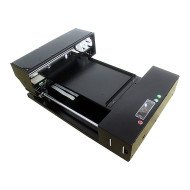
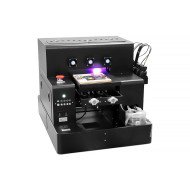
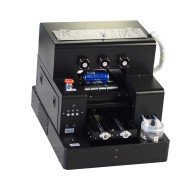
The realm of T-shirt printing has evolved extensively with the advent of A4 flatbed printers. However, hidden operational bottlenecks continue to challenge efficiency and productivity. Imagine a bustling print shop where orders pour in rapidly. The expectation is seamless throughput, but the reality involves frequent pauses due to unnoticed inefficiencies. These printers, while compact, face challenges in keeping up with high-volume demands, leading to unforeseen delays and increased operational costs.
Understanding the Core Issues
Print Speed vs. Job Queue
One of the primary issues is the disparity in print speed versus job queue management. Despite manufacturers advertising impressive speeds, real-world scenarios reveal limitations when multiple complex designs are queued. The average speed of 6 inches per second can bottleneck if the queuing software isn't aligned with print capabilities.
Ink Cartridge Limitations
Another overlooked area is the capacity and efficiency of ink cartridges. With average cartridge capacities of 100 ml, frequent replacements can disrupt workflow. Calculations show that a cartridge can produce about 200 full-color A4 prints, but delays occur during changeovers, impacting productivity.
Substrate Versatility Constraints
While marketed for versatility, A4 flatbed printers often struggle with varied substrates. The adjustable printhead heights, typically ranging from 2 to 10 mm, are not always sufficient for thicker or uniquely textured materials, requiring manual adjustments and increasing setup time.
Heat Management Challenges
Operating at a power consumption rate of approximately 1500 Watts, heat dissipation becomes critical during extended runs. Inefficient thermal management can lead to overheating and machine downtime, further hampering throughput.
Software Integration Hurdles
The integration of new printing software with existing systems is frequently underestimated. Compatibility issues arise, delaying operations as IT teams work to resolve these conflicts. This misalignment often results in operational bottlenecks that extend beyond the initial setup phase.
Scenario Analysis
Small Business Custom Orders
Consider a small apparel business aiming to fulfill customized orders swiftly. The bottlenecks in print speed and job queue management become evident here, as delays in processing can lead to missed deadlines and lost revenue opportunities.
High-Volume Corporate Contracts
For businesses with corporate contracts, the frequent need to replace ink cartridges can interrupt large batch printing, leading to inefficiencies and increased labor costs as staff manage these disruptions.
Diverse Material Printing
In operations where diverse materials are essential, the constraints on substrate versatility and required manual adjustments can significantly slow down production, affecting overall throughput and customer satisfaction.
Expert FAQ
Why do print speeds not match advertised specs?
Real-world conditions often include complex designs and queuing inefficiencies that aren't accounted for in controlled test scenarios.
How can ink efficiency be optimized?
Implementing a routine check and using larger capacity cartridges where possible can minimize disruptions.
Is substrate versatility truly limited?
Yes, especially with thicker materials that exceed standard adjustable heights, requiring manual intervention.
Why is thermal management crucial?
Extended operation without adequate cooling can lead to overheating, causing system failures and costly downtime.
How can integration hurdles be minimized?
Conducting comprehensive compatibility checks before software upgrades can mitigate integration issues.
Strategic Verdict
The trajectory of A4 flatbed T-shirt printers lies in addressing these hidden bottlenecks through technological advancements and better system integrations. As the industry moves forward, solutions focusing on efficient ink usage, improved software compatibility, and enhanced substrate handling will be pivotal in overcoming current limitations.