
Independent fashion labels accelerating product drops as DTG PRINTER enables rapid small-batch manufacturing.
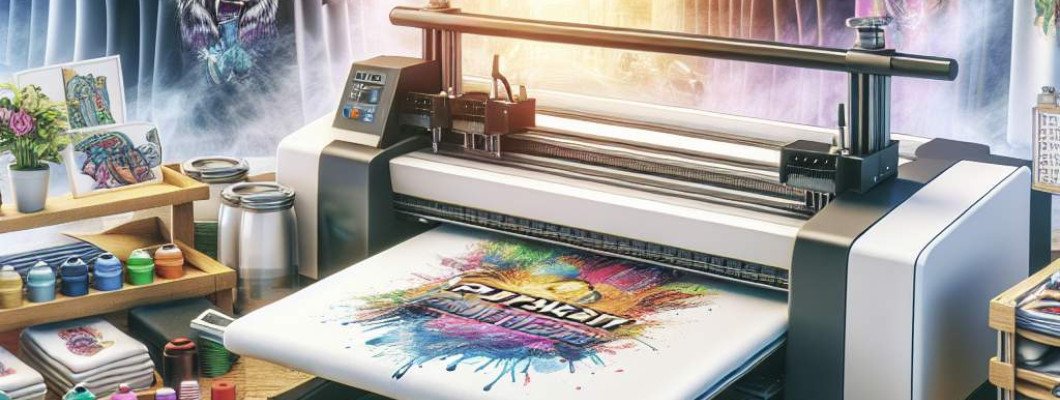
Struggling to keep up with fast-paced fashion trends?
You're not alone. In today"s competitive fashion world, getting your products to market quickly can make or break your brand. As an independent designer or small label, you want to stay ahead, launch new collections fast, and respond to customer demands — all without breaking the bank.
One game-changer is how small-batch manufacturing using advanced printing technology can revolutionize your workflow. Specifically, the rise of Direct-to-Garment (DTG) printers is empowering brands to accelerate their product drops. If you haven't explored this yet, you're missing out on serious opportunities.
How DTG printers are transforming small-batch fashion manufacturing
The agility of on-demand printing
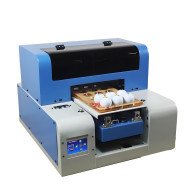
Imagine you can produce a handful of custom designs on demand. No more large inventory, no more wait times. DTG printers like the A3 DTG printer enable small labels to go from idea to finished product in a matter of hours. That means faster product drops, more creativity, and less waste.
For example, I chatted with a small streetwear brand that used DTG to test new designs without the risk of overproducing—cutting costs and launching faster than their competitors.
What makes DTG printing a game-changer for independent labels?
Speed and flexibility
Traditional manufacturing often involves bulk orders, long lead times, and high upfront costs. DTG changes the game by allowing small runs or even single pieces with high quality. You can respond to trends instantly and keep your collection fresh.
Cost-effectiveness for small runs
Bulk printing is expensive upfront, but DTG lets you print exactly what you need. No excess inventory, no clearance sales just to clear stock. This means better cash flow and less risk. It"s perfect for seasonal drops or limited editions.
High-quality, detailed prints
Many believe on-demand printing compromises quality. However, modern DTG printers produce vibrant, detailed designs that rival screen printing. The durability and softness also appeal to the eco-conscious consumer.
Steps to integrate DTG printing into your fashion business
1. Choose the right DTG printer
Look for features like print size, ink compatibility, speed, and ease of use. The A3 DTG printer offers a balance of quality and affordability, ideal for small labels.
2. Prepare your designs
Create high-resolution artwork that works well on fabrics. Use PDF or PNG formats for best results. Keep in mind the placement and size of your designs to maximize impact.
3. Test print and quality check
Run sample prints to calibrate your machine. Check for washability, color vibrancy, and fabric compatibility. It"s key to ensure your product meets customer expectations.
4. Scale your production
Start with small batches, refine your process, and then scale up once confident. As you grow, consider automating parts of your workflow or expanding your equipment lineup.
Real-life success story: From concept to collection in days
Let me tell you about a friend who runs a niche graphic tee shop. She used to wait weeks for her bulk orders from a print shop, which delayed her drops. Since switching to a DTG printer, she can roll out new designs in a single day. Her customers love the fresh, exclusive feels of her collections. Plus, she saves on inventory costs and gets to experiment more with her designs.
For brands like hers, DTG technology isn"t just a tool—it"s a strategic advantage that keeps them competitive and innovative. Check out the A3 DTG printer to see how it could fit into your workflow.
FAQs about small-batch manufacturing with DTG printers
Q1: Is DTG printing suitable for all fabric types?
DTG works best on 100% cotton and compatible blends. For polyester or other synthetic fabrics, special pretreatment or alternative methods might be needed for best results.
Q2: How cost-effective is DTG for small brands?
It reduces upfront costs by eliminating bulk orders and minimizes waste. You pay per piece, which makes it ideal for limited editions or seasonal drops.
Q3: What is the turnaround time for a small batch?
Most DTG printers, like the A3 model, can produce 10-20 shirts in a few hours. This allows same-day or next-day launch of new designs.
Q4: How durable are DTG prints after washing?
Modern DTG inks are durable if properly cured. Follow recommended washing instructions to ensure longevity. Many brands see prints lasting over 50 washes without fading.
Q5: Can I handle the entire process myself?
Yes, with some training, you can manage the printing, curing, and finishing processes. Most DTG machines come with user-friendly interfaces and support to help small teams operate efficiently.













Leave a Comment