
Artist-led fashion labels redefine apparel trends using creative DTG printer workflows
Artist-led fashion labels redefine apparel trends using creative DTG printer workflows
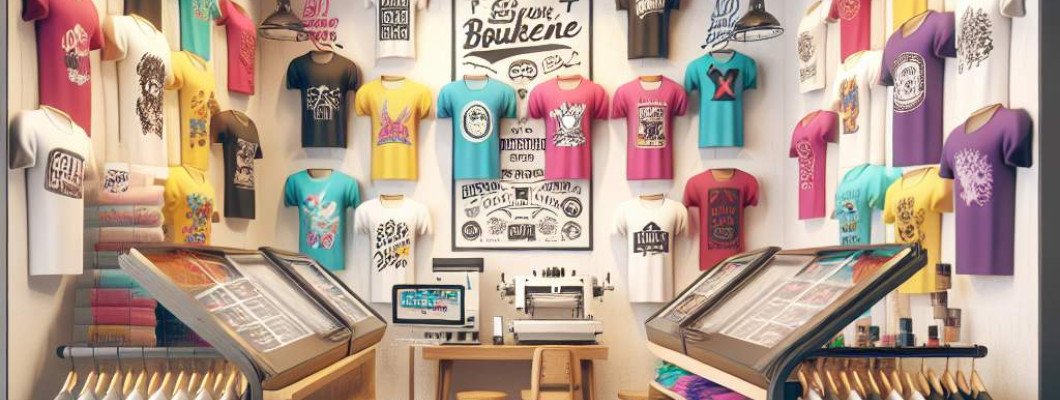
In recent years, the fashion industry has experienced a significant shift driven by a new wave of artist-led labels that are challenging conventional norms and pushing the boundaries of apparel design. At the heart of this revolution is the innovative use of Direct-to-Garment (DTG) printing technology, which allows these creatives to produce highly unique, customizable, and limited-edition pieces with exceptional detail and color vibrancy. By integrating creative DTG workflows into their processes, artist-led labels are not only transforming their design paradigms but also reshaping how consumers perceive and engage with fashion. This approach empowers artists to bring their visions to life directly onto garments, opening new horizons for artistic expression and commercial success
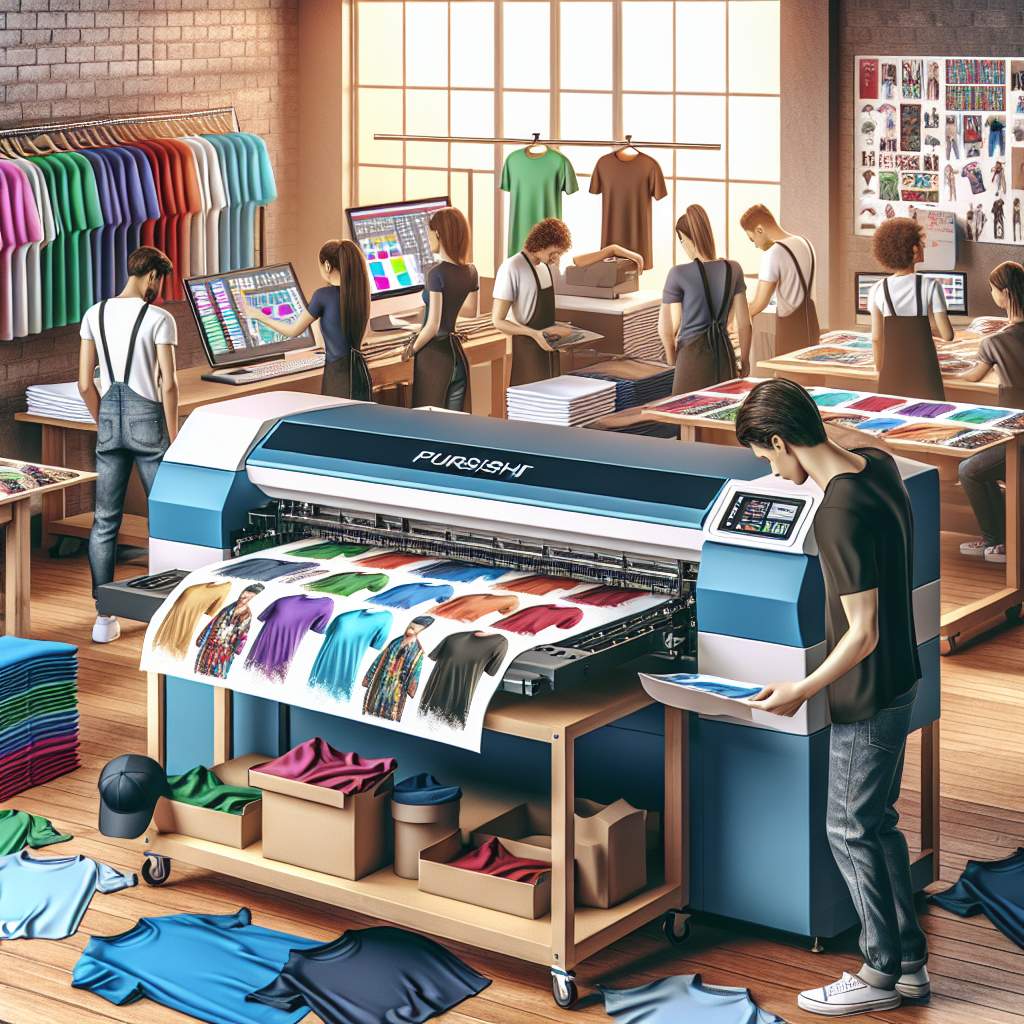
Traditional fashion manufacturing often involves complex supply chains, large order quantities, and longer lead times that can stifle creativity and limit rapid innovation. In contrast, artist-led labels leveraging advanced DTG printers can operate with agility, producing small batches or even one-of-a-kind pieces on demand. This level of flexibility fosters a more sustainable and environmentally conscious approach, reducing waste and excess inventory. Moreover, it grants artists full control over every design aspect, from intricate graphics to vibrant color blends, which would be difficult or impossible to achieve with other printing methods. As a result, fashion becomes a true canvas for artistic expression, enabling designers to craft garments that are as much wearable art as they are clothing .
Creative Workflow Innovations with DTG Printing
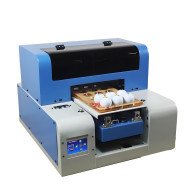
The key to unlocking the full potential of DTG printing in fashion lies in innovative workflows that streamline production while maintaining high quality standards. Many artist-led labels utilize specialized software that integrates design creation with printing parameters, allowing for seamless transitions from digital artwork to finished garments. These workflows often incorporate pre-treatment processes to ensure optimal ink adhesion and durability, which is crucial for vibrant, long-lasting prints. Additionally, advancements in printer technology, such as the A3 DTG printer, have made it possible to print on a wide variety of fabric types with incredible detail, pushing creative boundaries even further .
Another aspect of these workflows involves meticulous color management. Artists can utilize advanced color profiles and calibration tools to achieve precise hues, gradients, and artistic effects that reflect their original vision. Creative workflows also emphasize automation and speed, enabling artists to experiment freely without sacrificing efficiency. This combination of technological innovation and artistic freedom leads to the production of garments that are truly distinctive, capturing the emotions and stories that inspired their designs. It"s not only about producing apparel but creating wearable pieces of art that resonate on a personal and cultural level .
Sustainable and Customizable Fashion for a Global Audience
One of the most compelling benefits of incorporating creative DTG workflows in artist-led fashion labels is the emphasis on sustainability. Unlike traditional screen printing or dye sublimation techniques that often involve chemical-intensive processes and excess production, DTG printing uses water-based inks that are environmentally friendly. Because garments are printed on demand, these labels significantly reduce overproduction and waste—an increasingly important factor for environmentally conscious consumers worldwide. Moreover, digital workflows allow for hyper-localized production, making it feasible for brands to serve global markets without excessive shipping or inventory costs .
Consumers today are seeking more than just clothing—they want meaningful, authentic connections to the brands they support. Artist-led labels exemplify this shift by offering highly personalized and limited-edition pieces that reflect individual stories and artistic visions. The flexibility of DTG printing enables them to create collections that are continuously evolving, staying ahead of trends while maintaining uniqueness. As a result, these labels attract a diverse and engaged global audience eager to wear artist-designed apparel that embodies creativity, sustainability, and exclusivity .
Challenge and Future of Artist-led Fashion with DTG
While the advantages of integrating creative DTG workflows are clear, there are also challenges that these labels face. Keeping up with rapid technological advancements requires continuous investment in equipment and skills. Ensuring color consistency across different batches and printing conditions can be complex, demanding ongoing calibration and quality control. Furthermore, building a responsive supply chain that can handle small batch productions at scale is an ongoing pursuit. Yet, these hurdles are fueling innovation and collaboration within the industry, inspiring new solutions and business models. As DTG technology continues to advance, we can expect even more sophisticated workflows that further empower artist-led fashion labels to deliver innovative, high-quality apparel worldwide .
In conclusion, the integration of creative DTG printer workflows has revolutionized the way artist-led fashion labels produce and share their designs. From fostering artistic freedom and sustainability to meeting the demands of a global, digitally connected audience, this technology has opened new avenues for fashion as an art form. For designers eager to explore the full potential of their creativity while maintaining quality and efficiency, investing in high-performance DTG printers like the A3 DTG printer can be a game-changer. As we look to the future, it is clear that the intersection of art and technology will continue to drive innovation in fashion, making garments that are not only stylish but meaningful and sustainable .













Leave a Comment