
Hybrid textile kitchens emerge with dtg printer systems blending speed and customization
03 Nov
Posted By
0 Comments
63 Views
Struggling to keep up with the demand for custom textiles? Want to blend speed with high-quality design? You"re not alone. Many manufacturers are facing the challenge of producing personalized textile products quickly without sacrificing detail. Today, I want to introduce you to an innovative solution — hybrid textile kitchens powered by DTG printer systems. These setups are transforming the way we approach textile printing, offering unmatched speed and customization. Let"s dive into how this technology is changing the game.
What Are Hybrid Textile Kitchens?
Definition and Core Concept
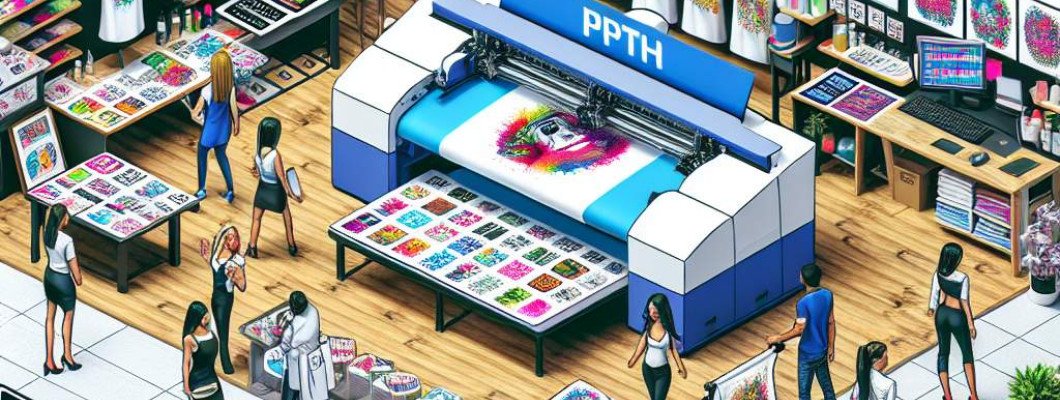
Hybrid textile kitchens combine different manufacturing methods and advanced printing systems to streamline the entire process. Imagine a space where digital direct-to-garment (DTG) printers work alongside traditional heat presses and finishing equipment. This setup allows for on-demand, customized textile production with minimal wait times. Essentially, it"s a fusion of traditional craftsmanship and cutting-edge digital tech in one seamless environment.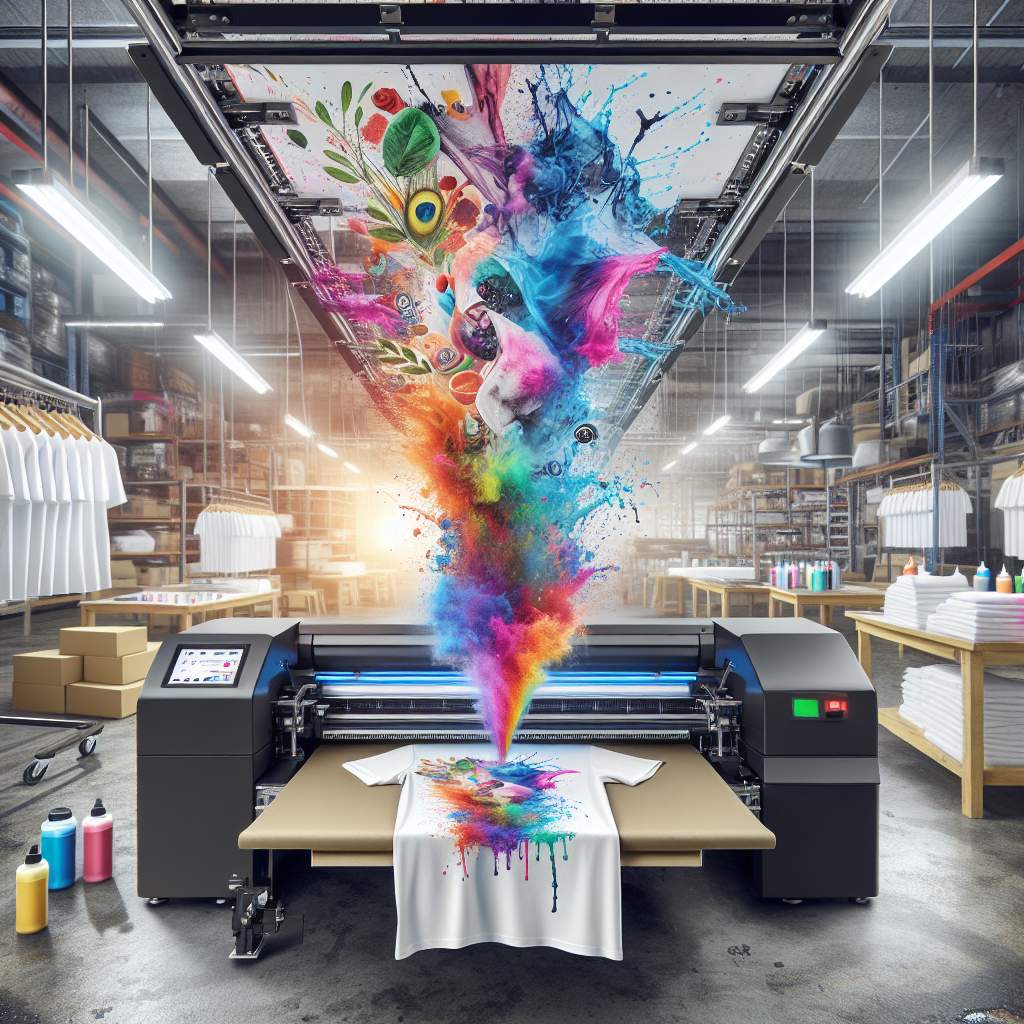
The Role of DTG Printer Systems
At the heart of these hybrid kitchens are DTG printers. These machines use inkjet technology to print directly onto fabric, offering vibrant colors and intricate designs with high detail. They"re perfect for short runs and one-offs, which are common in today"s personalized merchandise world. The recent emergence of **A3 DTG printers** like the [GNEFI A3 DTG Printer](https://www.gnfei.com/products/a3-dtg-printer.html) has further expanded possibilities — allowing wider print areas and faster production flows.Why Are Hybrid Textile Kitchens a Game Changer?
Blending Speed and Precision
Traditional textile production often involves lengthy processes — screen printing, embroidery, and so on — which work well for bulk orders but slow for customization. With hybrid kitchens, **speed is boosted significantly** thanks to automation and digital workflows. You can print complex designs in minutes, not hours, reducing lead times drastically. The flexibility means you"re no longer tied to minimum quantities or lengthy setup times. **Plus, the print quality is top-notch** — high resolution, rich colors, and fine details that rival or surpass traditional methods. It"s a win-win for brands that want quick turnaround and high-quality output.Customization at Its Finest
Ever wanted to create personalized gifts, limited editions, or regional designs? Hybrid textile kitchens excel here. Digital printing allows easy adjustments for each order, eliminating the need for multiple screens or plates. This means you can **offer countless variations** without incurring extra costs or delays.Imagine a boutique that offers customized sports jerseys or a promotional clothing line that updates designs weekly — this setup makes it all possible.How Does the Workflow Look in a Hybrid Textile Kitchen?
Step-by-Step Process
- **Design Creation**: Use graphic software to create your artwork — no need for complicated screen setups.- **File Preparation**: Adjust resolution and color profiles; prepping is minimal.- **Printing**: Use the DTG printer to print directly onto the fabric with precise detail. The process takes minutes.- **Curing**: Depending on the fabric, you might need a quick heat process to fix the ink.- **Finishing**: Add any additional touches like embellishments or packaging.This streamlined process minimizes waste, reduces costs, and speeds up delivery. Plus, it"s easy to scale from small batches to large runs if needed.The Cost Advantage of Hybrid Solutions
While initial investment might seem hefty, **the long-term savings are substantial**. You eliminate the need for multiple traditional printing methods, reduced setup times, and decreased labor costs. Plus, you can offer **more personalized products** without expensive tooling. > "I used to outsource custom orders, which would take days. Now, with my hybrid setup, I can print and ship within hours," says Jane, a small-business owner who switched to digital textile printing.Choosing the Right DTG Printer for Your Hybrid Kitchen
If you"re considering upgrading or building your hybrid textile kitchen, selecting the right DTG system is key. Factors to weigh include:- **Print size**: Bigger print areas, like the [GNEFI A3 DTG Printer](https://www.gnfei.com/products/a3-dtg-printer.html), unlock more design possibilities.- **Speed**: Look for models with high throughput for faster production.- **Ease of maintenance**: Ensures minimal downtime.- **Compatibility**: Check if the printer supports the fabrics you plan to work with.Investing in a quality DTG system can dramatically improve your workflow and output quality, making your hybrid textile kitchen a true productivity hub.Real-World Examples
One of my clients, a startup apparel brand, switched to a hybrid setup last year. They now print custom T-shirts, hoodies, and accessories with lightning-fast turnaround times. Their customers love the freedom to choose unique designs, and their business has grown exponentially. The key was integrating a reliable **A3 DTG printer** into their workflow — making everything smoother and more efficient.FAQs
1. How affordable are hybrid textile kitchens?
While initial setup costs vary, investing in a good DTG printer is worthwhile. You save on labor and materials over time and can generate revenue faster.2. Can I print on different fabrics?
Yes, most DTG systems support a range of fabrics like cotton, polyester, and blends. Check your printer specifications for compatibility.3. What is the turnaround time for a custom order?
With a well-optimized hybrid kitchen, you can produce small batches in under an hour, depending on design complexity.4. Is training needed to operate advanced DTG printers?
Most manufacturers provide training or comprehensive guides. Once familiar, operation is straightforward.5. How do I maintain print quality over time?
Regular cleaning, proper ink management, and routine maintenance ensure consistent results. Many DTG brands have support resources to assist.---Are you ready to elevate your textile production? Incorporating **hybrid textile kitchens with DTG printer systems** can give you the speed and customization edge you need. If you're curious about technology upgrades, check out the [GNEFI A3 DTG Printer](https://www.gnfei.com/products/a3-dtg-printer.html) — it could be your next big step toward smarter manufacturing.
Coffee Printer Printing Machine – Professional Custom Printing on BeveragesThe Coffee Printer Printing Machine is a professional-grade device designed..
$0.00
Ex Tax:$0.00
4-Cups Coffee Printer – Turn Selfies into Edible Art!Impress customers and elevate your café, restaurant, or event business with the 4-Cups Coffe..
$0.00
Ex Tax:$0.00
Automatic CD/DVD & PVC ID Card Printer - Professional Dual-Function Printing SolutionThe Automatic CD Printer & PVC ID Card Printer is an indu..
$0.00
Ex Tax:$0.00

A4 UV Printer Cylinder Printer – Custom Printing on Cylindrical and Curved SurfacesThe A4 UV Printer Cylinder Printer is designed to provide unparalle..
$0.00
Ex Tax:$0.00

The Flower Printer is a revolutionary printing solution designed specifically for the floral industry, enabling businesses to create personalized, vib..
$0.00
Ex Tax:$0.00
DTF Transfer Film – Premium Film for Vibrant, Durable Prints on Apparel and AccessoriesOur DTF Transfer Film is designed specifically for us..
$0.00
Ex Tax:$0.00
3D Latte Coffee Printer – Create Stunning 3D Designs on Beverages and FoodThe 3D Latte Coffee Printer is a revolutionary tool for coffee shops, bakeri..
$0.00
Ex Tax:$0.00

Edible Food Ink - Premium Printing Solution for Culinary ArtistryGNFEI Edible Food Ink is a high-performance, food-grade ink specially formulated for ..
$0.00
Ex Tax:$0.00

New A3 Spot UV Printing Machine Support Varnish and White PrintingThe A3 Spot UV Printing Machine brings a new dimension to your printing possibilitie..
$0.00
Ex Tax:$0.00
PrintInd Mini Handheld Inkjet Printer – Compact. Creative. Industrial.The PrintInd Mini Portable Handheld Inkjet Printer is engineered for c..
$0.00
Ex Tax:$0.00

Spot A4 LED UV Printer – High-Precision Printing on Cylindrical and Curved SurfacesThe Spot A4 LED UV Printer is a versatile, high-performance printin..
$0.00
Ex Tax:$0.00

A3 DTG Printer – High-Quality Direct-to-Garment PrintingThe A3 DTG Printer offers a professional, efficient solution for businesses looking to produce..
$0.00
Ex Tax:$0.00
A4 UV Printer Cylinder Printer – Custom Printing on Cylindrical and Curved SurfacesThe A4 UV Printer Cylinder Printer is designed to provide unparalle..
$0.00
Ex Tax:$0.00
Coffee Printer Printing Machine – Professional Custom Printing on BeveragesThe Coffee Printer Printing Machine is a professional-grade device designed..
$0.00
Ex Tax:$0.00

A2 Plus Size UV Printer – Precision Embossed Glossy Printing on Various MaterialsThe A2 Plus Size UV Printer offers a professional and versa..
$0.00
Ex Tax:$0.00

Smart Latte Coffee Printer – Innovating Beverage Personalization with Smart TechnologyThe Smart Latte Coffee Printer brings cutting-edge technology to..
$0.00
Ex Tax:$0.00
New A3 Spot UV Printing Machine Support Varnish and White PrintingThe A3 Spot UV Printing Machine brings a new dimension to your printing possibilitie..
$0.00
Ex Tax:$0.00

Mini Coffee Printer – Custom Printing on Coffee and BeveragesThe Mini Coffee Printer is a unique and innovative solution for businesses looking to add..
$0.00
Ex Tax:$0.00
Edible Food Ink - Premium Printing Solution for Culinary ArtistryGNFEI Edible Food Ink is a high-performance, food-grade ink specially formulated for ..
$0.00
Ex Tax:$0.00

The Flower Printer is a revolutionary printing solution designed specifically for the floral industry, enabling businesses to create personalized, vib..
$0.00
Ex Tax:$0.00
Leave a Comment