
How a UV Printer Supports Customization Across Multiple Industries
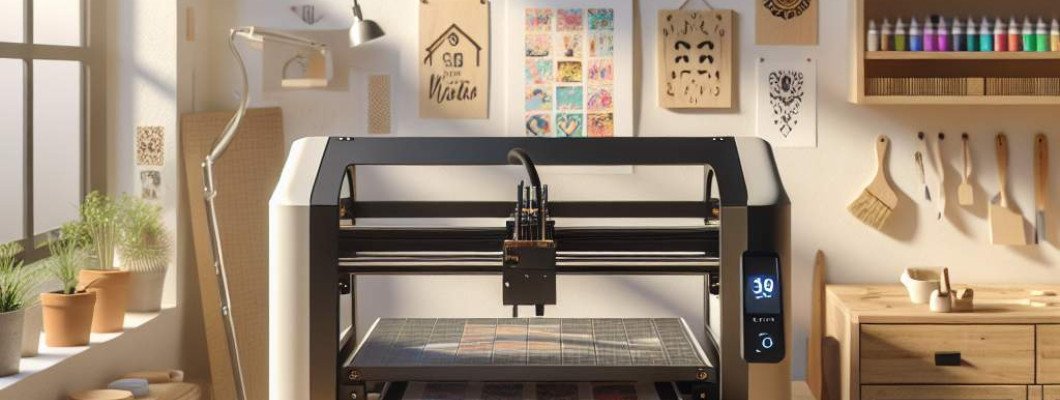
Are you struggling to bring unique products or branding ideas to life? Want to stand out in a crowded market with personalized designs? If so, understanding how a UV printer supports customization across multiple industries can open new doors for your business.
In today's competitive landscape, versatility and precision in printing are more important than ever. UV printers have emerged as game-changers, enabling industries from manufacturing to marketing to produce high-quality, customized items with ease. But what makes UV printing so powerful, and how can it benefit your specific industry? Let"s explore the capabilities, applications, and advantages of UV printers in detail.
What is a UV Printer?
A UV printer is a type of digital printing device that uses ultraviolet light to rapidly cure ink onto various surfaces. Unlike traditional printing methods, UV printing allows for direct printing onto non-porous materials such as plastics, glass, metal, and even fabrics. This technology produces vibrant images with durable finishes, making it highly suitable for custom, small-batch, or high-end products.
Why is UV Printing a Game-Changer for Multiple Industries?
UV printers are not limited to a single application—they provide flexible, high-quality printing solutions that adapt to different industry needs. Whether you need intricate branding on promotional items or personalized packaging, UV printing offers:
- Exceptional durability on various surfaces
- High-resolution, vibrant images
- Fast turnaround for small batch or custom orders
- Cost-effective solutions for short runs
Imagine a small jewelry brand customizing each piece with unique designs directly onto metal surfaces—UV printing makes this feasible and affordable.
Key Industries Benefiting from UV Printing
Manufacturing and Product Customization
Manufacturers are increasingly using UV printers to add branding, logos, or decorative elements directly onto products. This streamlines production and reduces costs associated with labeling or wrapping. UV printing is ideal for promotional items like pens, USB drives, or even complex products with irregular shapes.
For example, a company can print personalized messages directly onto metallic gadgets, making each device unique without extra steps. This flexible, direct printing reduces waste and enhances product appearance.
Advertising and Promotional Materials
In marketing, visual impact is everything. UV printers can create eye-catching banners, displays, and customized giveaways that grab attention instantly. The ability to print directly on diverse surfaces allows promotional items to be more durable and stylish, standing out at trade shows or events.
Furthermore, businesses can produce limited edition items or personalized gifts rapidly, giving them an edge over competitors relying on traditional printing methods.
Personalized Packaging and Labels
Consumer demand for personalized products is skyrocketing. UV printing enables brands to create bespoke packaging that enhances the unboxing experience. Small runs of custom packaging, labels with intricate designs, or labels printed onto curved surfaces can all be achieved with UV technology.
This flexibility helps brands differentiate themselves without large MOQ commitments, making UV printing a must-have for innovative packaging.
Jewelry and Fashion Accessories
Jewelry designers and fashion accessory brands leverage UV printers to add detailed images or text onto metal, plastic, or glass surfaces. This method creates durable, detailed designs that resist wear and tear, ideal for high-end or one-of-a-kind items.
For instance, a designer could print a custom logo or pattern directly onto a pendant, creating truly unique jewelry pieces without additional tooling or outsourcing.
Interior Design and Décor
From custom tiles to decorative panels, UV printing supports customized interior elements. Architects and interior designers use UV printers to produce high-resolution images on sloped or irregular surfaces, providing tailored design features on demand.
Suppose a client wants a personalized backsplash or decorative wall panel. UV printing allows for vivid, detailed artwork directly onto building materials, streamlining the process and reducing costs.
Advantages of Using a UV Printer
Choosing a UV printer over traditional methods offers several clear benefits:
- Print on a Wide Range of Materials: From plastics and metals to glass and wood, UV printers handle diverse surfaces without additional processes.
- High-Quality, Fine Detail: Achieve sharp, vibrant images suitable for branding, artwork, or intricate designs.
- Speed and Efficiency: Rapid curing reduces production time, making UV printers ideal for quick turnarounds.
- Durability and Resistance: UV-cured inks are resistant to scratches, UV rays, and environmental factors, extending product lifespan.
- Cost-Effective for Short Runs: No need for expensive molds or screens, making small batch or custom jobs economically viable.
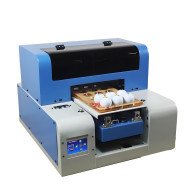
Integrating a UV printer like the Glassy UV Coating Printer can dramatically expand your product capabilities and market reach.
Adopting UV Printing in Your Business
Transitioning to UV printing requires understanding the equipment and workflow.
- Select the right machine: Consider factors such as size, surface compatibility, and printing resolution.
- Learn material compatibility: Not all surfaces react the same; testing is key.
- Design for print: Use vector graphics and high-resolution images to maximize quality.
- Invest in post-processing: Some applications benefit from coating or finishing to enhance durability.
Most importantly, training staff and understanding maintenance schedules will ensure longevity and consistent quality from your UV printer.
FAQs About UV Printing and Its Industry Applications
- Can UV printers print on irregular shapes? Yes, UV printers are capable of printing directly onto curved and uneven surfaces, making them highly versatile.
- What materials can UV printers handle? Common materials include plastics, metals, glass, wood, paper, and some fabrics.
- Is UV printing environmentally friendly? UV inks are generally low in VOCs, and the process reduces waste compared to traditional printing methods.
- What is the typical cost of a UV printer? Costs vary based on size and features but generally range from a few thousand to tens of thousands of dollars.
- How durable are UV-printed products? The cured inks are highly resistant to scratches, UV fading, and environmental damage, ensuring long-lasting results.
By exploring how a UV printer supports customization across multiple industries, it becomes clear that embracing this technology can unlock new levels of creativity, efficiency, and product quality. Whether you're in manufacturing, marketing, or customized goods, UV printing offers a versatile solution that keeps your offerings innovative and competitive. If you"re ready to elevate your production capabilities, consider integrating a UV printing machine into your workflow today.













Leave a Comment