
How a DTG Printer Is Changing the Economics of Custom Apparel Production
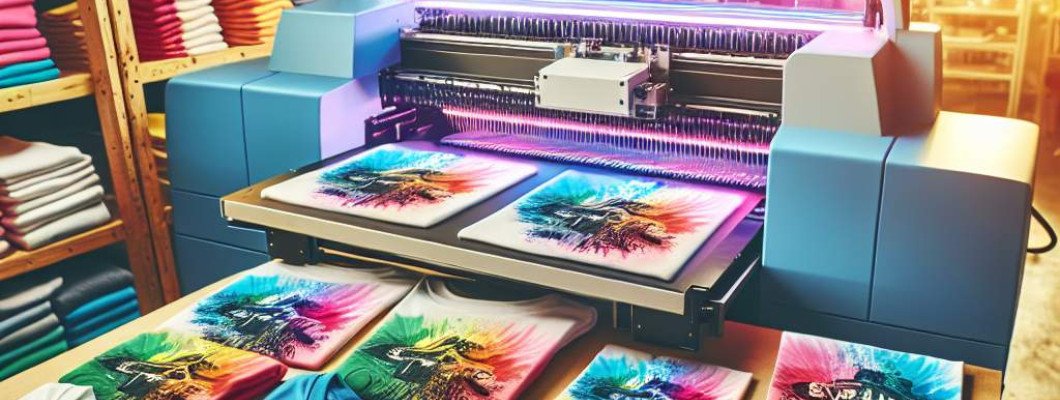
Are you struggling to stay competitive in the custom apparel market?
If you"ve tried traditional printing methods or manual labour, you know how costly and time-consuming it can be. The good news is, the latest advances in printing technology are shifting the game in a big way. Specifically, Direct-to-Garment (DTG) printers are making it easier and more affordable to produce custom apparel on demand. Curious how? Let"s dive into how a DTG printer is changing the economics of this industry.
What Is a DTG Printer and Why Are Businesses Switching?
Understanding the Basics of DTG Printing
Think of a DTG printer as your high-tech inkjet for fabric. Unlike screen printing that requires creating stencils or screens, DTG sprays ink directly onto the fabric, allowing for detailed, vibrant designs. It"s fast, precise, and perfect for short runs or one-off pieces.
When I first looked into DTG printers, I was surprised how simple and clean they are compared to older methods. No need for drying racks or messy screens. Just upload your design, hit print, and you"re done. This ease of use is a game changer for small startups and large brands alike.
How a DTG Printer Is Changing Business Economics
Lower Setup and Production Costs
Traditional methods like screen printing involve high setup costs—it takes time and materials to prepare screens before printing can begin. With a DTG printer, you skip all that fuss. You can start printing with just a digital file. This reduces initial costs significantly and makes it easier to test new designs without breaking the bank.
Additionally, because of faster turnaround times, you can respond to market trends faster. Need a last-minute design for a local event? Print just a few shirts without the overhead of bulk orders.
On-Demand Production and Reduced Inventory
Ever had stock sitting unsold? DTG printing eliminates that issue. Since you can print exactly what you need, warehousing costs drop sharply. This "on-demand" approach means you only produce units that are already sold, keeping your cash flow healthier and reducing waste.
I"ve seen brands grow their business by switching to this model—no more overproduction or unsold inventory cluttering up the warehouse.
Faster Turnaround Time and Enhanced Flexibility
Traditional methods can take days or even weeks, especially for complex designs or small batches. A modern DTG printer can produce a shirt in minutes, which means you can handle last-minute orders easily. This agility can be the difference between losing a client and gaining a loyal customer.
Plus, digital files make it easy to tweak designs or create new versions without expensive retooling. That kind of flexibility helps turn around custom orders quickly and keep your customers happy.
Cost Savings and Profitability
Reducing Waste and Enhancing Efficiency
Because DTG printing works directly from digital files, it minimizes material waste. No screens, no excess ink, and no setup errors. Plus, you cut down on labor costs since the process is more automated. That means more profit per shirt, especially as order volume increases.
Imagine being able to add more products or designs without needing extra staff. That scalability is a big part of why many businesses are investing in DTG printers.
Investing in a DTG Printer: What You Need to Know
If you"re thinking about buying a DTG printer, consider factors like print quality, speed, and maintenance costs. The [A3 DTG Printer](https://www.gnfei.com/products/a3-dtg-printer.html) offers excellent features for small to medium-sized businesses. It's reliable, produces vibrant prints, and handles a decent volume without breaking the bank.
Remember, like any equipment, it"s an investment. But with the right technology, you"ll cut costs and increase revenue over time.
Real-Life Success Stories
Take Mark, who started a small custom T-shirt business. He used to struggle with high setup costs and slow turnaround times. After switching to a DTG printer, he was able to start taking last-minute orders and respond rapidly to customer demands. His profit margins improved because he cut out costly screens and excess inventory.
Likewise, Emily launched a boutique fashion line that focuses on limited editions. DTG printing let her turn around specialty collections on a weekly basis, reducing waste and keeping her designs fresh in customers" minds.
Final Thoughts
If you want to stay competitive and grow your custom apparel business, exploring a DTG printer is a smart move. It offers significant savings, flexibility, and faster production times. As technology advances, more brands will leverage these benefits to thrive in a fast-paced, customer-focused market.
Interested in seeing what a DTG printer can do for your business? Check out the [A3 DTG Printer](https://www.gnfei.com/products/a3-dtg-printer.html) for top-tier performance.
Frequently Asked Questions
- 1. How much does a good DTG printer cost?
- Entry-level models start around $10,000, but prices vary based on features and capacity. The investment can pay off quickly through savings and higher margins.
- 2. Is DTG printing suitable for large orders?
- While excellent for small runs, some high-speed models are also capable of handling large quantities efficiently. For very high volume, traditional screen printing might still be more cost-effective.
- 3. How durable are DTG-printed designs?
- Modern DTG inks are durable and wash resistant if properly cured. Choosing quality inks and materials helps extend the life of your designs.
- 4. Can I print on all types of fabrics?
- DTG works best on 100% cotton or blends with a high cotton content. Some synthetic fabrics may not produce optimal results or require special inks.
- 5. What maintenance does a DTG printer require?
- Regular cleaning and calibration are essential. Overall, maintenance costs are lower than traditional printing equipment, making it easier to keep your machine running smoothly.











Leave a Comment