
How UV Printer Technology Is Reshaping Short-Run and One-Off Production
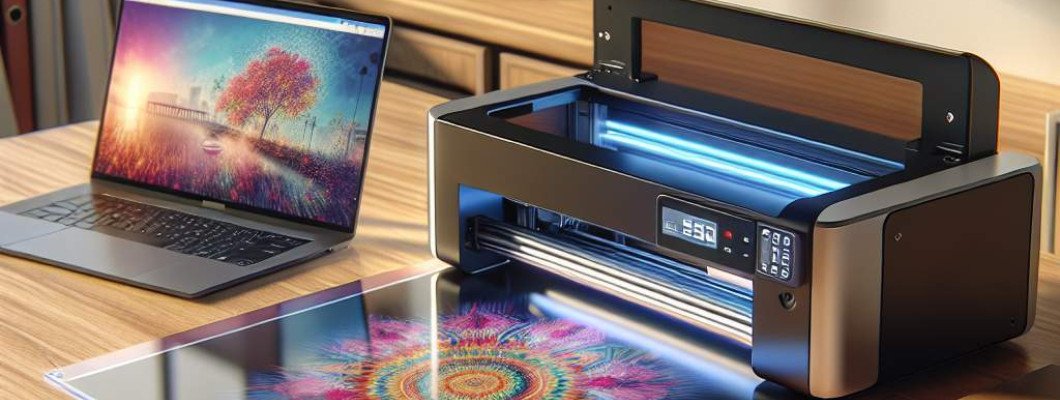
Struggling to stay competitive with your small print runs or one-off projects?
In today"s fast-paced world, traditional printing methods just can"t keep up with the demands of short-run and unique production runs. If you're tired of long wait times, high costs, or limited customization options, then UV printer technology might be the game-changer you need. Let"s explore how this innovative tech is transforming manufacturing and design workflows, making your custom jobs easier, faster, and more cost-effective.
What Is UV Printer Technology?
Understanding UV Printing
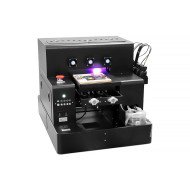
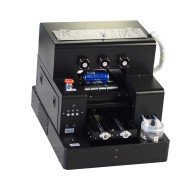
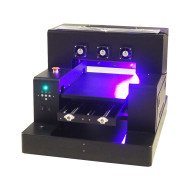
At its core, UV printing is a digital printing process that uses ultraviolet light to instantly cure or dry the ink. Unlike traditional methods that rely on heat or solvent evaporation, UV printers apply special inks that harden immediately upon exposure to UV light. This creates a durable, high-quality finish on a variety of substrates, including plastics, wood, glass, metal, and more.
Imagine printing directly onto a complex or irregular surface without needing layers of drying time. That's the power of UV technology. Its speed and flexibility open up a world of possibilities for small businesses and manufacturers.
How UV Printers Are Reshaping Production
1. Accelerating Short-Run and One-Off Projects
Traditional printing methods often require creating screens or plates, which become uneconomical for just a handful of items. UV printers eliminate that need. You can go from design to finished product in hours, not days.
Say, for example, a promotional products company needs a batch of custom USB drives with different logos. UV printing allows for quick changeovers and personalized outputs without extra costs, making every item unique.
2. Cost-Effective Customization
With UV technology, customizing products has never been easier. No need for large print runs to justify setup costs. Instead, each piece can be tailored with minimal extra expense.
For small businesses or artists, this means exploring new markets where personalized goods command higher margins. No more compromising on quantity just to get the order done efficiently.
3. Superior Finish and Durability
UV inks are known for their excellent adhesion and resistance to fading, scratching, and chemicals. This results in a high-end look and long-lasting products, ideal for signage, packaging, and decorative items.
Imagine designing a one-off art piece that retains vibrancy over years—UV printing makes that possible, adding value and appeal that conventional methods can't match.
4. Environmental and Space Benefits
UV printers are often cleaner and more eco-friendly, using fewer solvents and producing less waste. Plus, they require less space compared to large-scale traditional presses.
This means small shops or startups can integrate high-quality printing without hefty investments in infrastructure.
Why Consider a UV Printer for Your Business?
Versatility and Range of Substrates
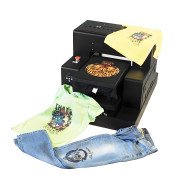
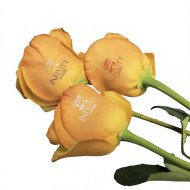
UV printers can print onto almost anything—acrylic, wood, ceramic, leather, even fabrics. This opens up new store shelves and product lines without the need for multiple machines.
Fast Turnaround and Reduced Lead Times
Imagine being able to fulfill custom orders overnight. UV printing"s rapid curing means faster production cycles, which directly boosts your agility and customer satisfaction.
High-Quality, Detailed Results
Whether it"s tiny text or intricate graphics, UV printers deliver crisp images with vibrant colors and high resolution. This is critical for branding and premium products.
On-Demand Production
Say goodbye to large inventories. UV printers enable 'print-on-demand' manufacturing, reducing storage costs and waste while satisfying clients" desire for personalized products.
Choosing the Right UV Printer
Features to Look For
- Print Size: Ensure the machine supports your typical product dimensions.
- Print Speed: Match with your production volume needs.
- Color Capabilities: Look for multi-color or white ink options for more vibrant and versatile printing.
- Ease of Use: User-friendly interfaces save time and reduce mistakes.
- Cost and Maintenance: Balance initial investment with ongoing upkeep and consumables.
Also, consider the availability of technical support and training, especially if you"re new to UV technology.
Learn more about UV options here.Real-World Success Stories
One of our clients, a small packaging company, adopted UV printing for prototypes and small batches. They reduced their lead times from weeks to days, cutting costs significantly. Their ability to produce bespoke packaging with intricate designs gave them a competitive edge.
Another example? An artist started creating limited edition collectibles printed with vibrant, durable designs using UV technology. The attention to detail and quality helped her sell at premium prices, expanding her business globally.
FAQ: Your UV Printing Questions Answered
Q1: Is UV printing suitable for large-scale production?
While UV printers excel at short runs and customization, some high-end industrial models can handle larger volumes. For mass production, traditional offset printing might be more economical in the long run.
Q2: What substrates can be printed on with UV technology?
Almost anything—plastic, metal, glass, wood, leather, and more. The versatility is one of the key advantages.
Q3: Is UV printing environmentally friendly?
Generally yes. UV inks produce fewer volatile organic compounds (VOCs), and the quick curing process reduces waste and energy consumption.
Q4: How durable are UV-printed products?
Very durable. The inks are resistant to scratching, UV fading, and chemicals, making them suitable for outdoor and everyday applications.
Q5: What"s the typical investment for a quality UV printer?
Prices vary based on size and features, ranging from a few thousand dollars for entry-level models to over $100,000 for industrial-grade machines. Consider your output needs and growth plans when choosing a model.



Leave a Comment