
Next-generation streetwear collections emerging faster with DTG PRINTER focused micro-factory models
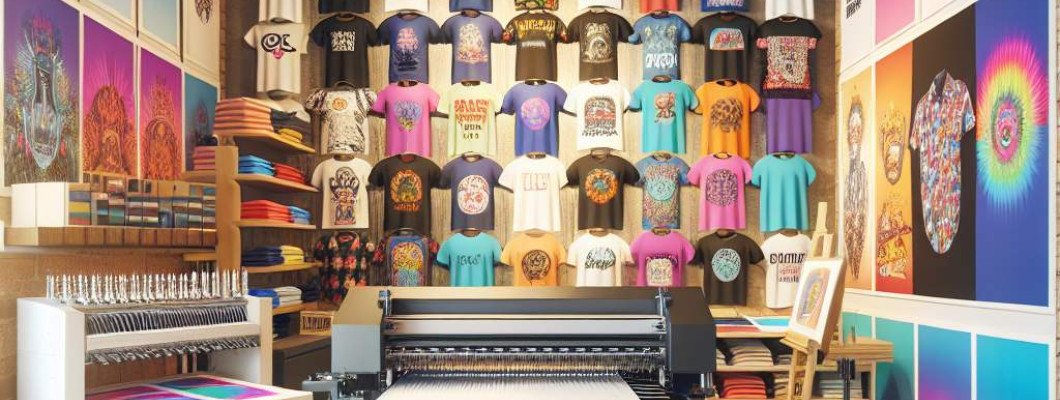
Feeling overwhelmed with fast-changing streetwear trends? Wondering how brands stay ahead of the game?
If you"re in the streetwear scene, you know how quickly styles evolve. The big question is, how can brands keep up without sacrificing quality or time? That"s where next-generation micro-factories with DTG printers come into play. These aren"t just buzzwords—they"re game-changers for small and emerging brands who want to produce faster, smarter, and more flexible collections. Let"s dig into how this works and why it matters.
What exactly is a DTG-focused micro-factory?
Breaking down the concept
DTG stands for Direct-to-Garment printing. It"s a technology that allows you to print detailed designs directly on fabric with high precision. Instead of mass-producing shirts in a large factory, micro-factories focus on small-batch, on-demand printing using DTG technology. Think of it as your personal custom print shop that's fast, flexible, and scalable.
These micro-factories are equipped with multiple DTG printers, compact enough to fit into smaller spaces but powerful enough to handle high-volume orders. The goal? To cut down lead times and allow for rapid iteration of new designs.
How are these micro-factories transforming streetwear collections?
Faster product cycles and immediate market response
Traditional fashion production can take months—from designing to manufacturing to distribution. But with DTG micro-factories, brands can go from concept to shelf in weeks, sometimes days. This agility means you can respond quickly to trending styles or limited-edition drops, keeping your brand relevant.
For instance, imagine chatting with a friend who owns a streetwear brand. Last month, they saw a TikTok trend for neon colorways. Instead of waiting 3 months for bulk production, they used their micro-factory to launch a limited run in just a week. That"s the power of on-demand, localized production.
Why are micro-factories with DTG growing so fast?
Key benefits for streetwear brands
- Rapid Turnaround: Produce new designs quickly without the delays of traditional supply chains.
- Lower Starting Costs: Avoid large minimum orders. You can start small and scale as needed.
- Customization and Personalization: Offer unique designs or even limited-edition drops tailored to specific audiences.
- Reduced Waste: Print only what you need, minimizing excess inventory and environmental impact.
- Local Production: Decrease shipping times and costs—ideal for global streetwear brands looking to serve international markets.
What does this mean for emerging streetwear brands?
Stay competitive and innovative
If you"re trying to carve out space in the crowded streetwear scene, speed and flexibility are your best friends. Micro-factories enable you to experiment with designs without huge upfront investments. You can test different styles, analyze customer reactions, and adapt quickly.
Plus, with digital tools and online storefronts, you can coordinate your micro-factory operations seamlessly. When a new trend hits, you"re ready to deploy your latest designs worldwide in record time.
Choosing the right DTG micro-factory setup
What should you consider?
- Printer Quality: Look for printers with high DPI for sharp details and vibrant colors. The A3 DTG Printer is a solid option for small-scale production.
- Production Capacity: How many shirts do you want to produce daily or weekly? Match your needs with the printer"s speed and the number of units your micro-factory can handle.
- Space and Environment: Smaller footprint setups are ideal for urban or home-based studios, but ensure proper ventilation and workspace setup.
- Cost and ROI: Consider initial investment versus long-term savings from reduced inventory and faster product cycles.
Real-world success stories
One streetwear startup I know of started as a small hobby. They invested in a compact DTG micro-factory, and within six months, they launched multiple collections, responding instantly to viral trends. Their sales doubled, and their brand became known for quick, exclusive drops. That"s the kind of edge small brands want today.
FAQs about next-gen streetwear production with micro-factories
1. How affordable are DTG micro-factories for new brands?
Initial setup costs vary, but they are significantly lower than traditional manufacturing. Plus, you pay only for what you print, which helps manage cash flow.
2. Can I print on different fabrics with a DTG printer?
Yes, most high-quality DTG printers can handle a variety of fabrics like cotton, polyester blends, and even some blends with special pretreatments.
3. How fast can I go from design to finished product?
Depending on the complexity, it can be as quick as a few hours to a couple of days. The beauty is the flexibility to produce in small batches or singles.
4. Is online customization possible with micro-factories?
Absolutely. Integration with online stores allows customers to personalize their products, which the micro-factory can then print on demand.
5. What are the environmental benefits?
By printing on demand and reducing overproduction, you minimize waste and lower your carbon footprint, aligning with sustainable fashion trends.
If you're serious about keeping your streetwear brand agile and future-proof, investing in a DTG-focused micro-factory might be your best move. It"s a way to stay ahead of rapid trends and connect directly with your audience worldwide.















Leave a Comment