
UV Printer Capabilities That Support Mixed Materials and Surfaces
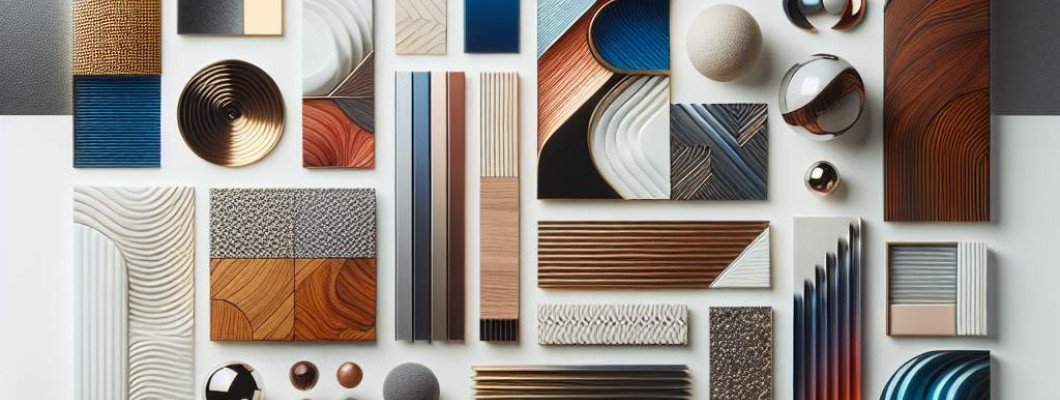
Are you struggling to find a printing solution that can handle diverse materials and surfaces? If you"re tired of limitations with traditional printers and need a machine that offers flexibility, a UV printer might be the game-changer you"ve been searching for. UV printers are revolutionizing industries by enabling high-quality prints on a wide variety of substrates, from glass and metal to wood and plastic. But what exactly makes their capabilities stand out? Let"s explore the key features and benefits of UV printers that support mixed materials and surfaces.
Understanding UV Printer Capabilities for Mixed Materials
What sets UV printers apart from conventional printing technology is their ability to print directly on various surfaces without needing additional coatings or preparation. Unlike traditional inkjet printers that require a flat, smooth media, UV printers use ultraviolet light to instantly cure and fix the ink onto different materials. This means higher adhesion, durability, and vibrant color output, even on rough or uneven surfaces.
Key Features Supporting Mixed Materials and Surfaces
- Versatile Ink Formulation: UV inks are adaptable, suitable for printing on non-porous surfaces like glass, metal, and acrylic, as well as porous materials such as wood and paper.
- High Precision and Resolution: Produces detailed images with sharp edges, making it ideal for complex designs on various substrates.
- Compatibility with a Wide Range of Materials: Capable of printing on flat, curved, and uneven surfaces—this includes cylindrical objects, jewelry, electronics, and promotional items.
- Instant Curing with UV Light: Ensures fast drying and adhesion, allowing for immediate handling and finishing.
- Layering and Texturing: Supports multi-layer printing and textured effects, adding depth to applications.
Supporting Different Surface Types: Real-World Applications
Imagine a small business owner who customizes awards and promotional items. With a UV printer able to print on glass, metal, and plastic, they can create all-in-one solutions without switching equipment. Or, consider a furniture manufacturer that uses UV printers to add logos or decorative designs directly onto wooden surfaces, avoiding complex transfers or decals. Examples like these demonstrate how UV printer capabilities enable workers across industries to innovate and expand their service offerings.
Advantages of UV Printing on Mixed Materials
- Enhanced Durability: UV-cured inks resist scratches, UV fading, and water damage, ensuring longevity—ideal for outdoor signage and product labels.
- Cost-Effective Customization: Print on demand on different materials, reducing inventory and outsourcing costs.
- Fast Turnaround Times: Instant curing facilitates quick production cycles, perfect for tight deadlines.
- High-Quality Visuals: Sharp, high-resolution prints bring intricate details to life on any surface.
Choosing the Right UV Printer for Your Business
When evaluating UV printers that support mixed materials, consider these factors:
- Build Size and Print Area: Ensure the machine accommodates your typical objects and projects.
- Print Speed and Resolution: Balance high-quality output with production capacity.
- Ink Compatibility: Confirm that the printer uses inks suitable for your intended materials.
- Ease of Use and Maintenance: Opt for user-friendly controls and accessible maintenance features.
- Support and Warranty: Reliable customer support ensures minimal downtime.
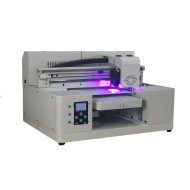
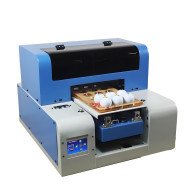
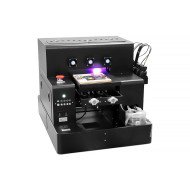
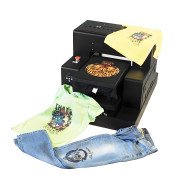
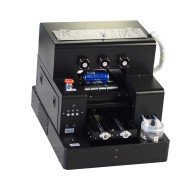
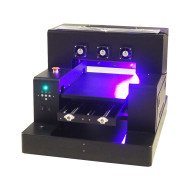
If you want a reliable, versatile UV printing solution that supports mixed materials and surfaces, check out the A3 Spot UV Printing Machine. It's designed to handle various substrates efficiently, offering excellent print quality and durability.
Frequently Asked Questions (FAQs)
1. Can UV printers print on curved surfaces?
Absolutely. Many UV printers are designed to handle curved and three-dimensional objects, making them perfect for customizing bottles, accessories, and promotional items.
[[]]2. Are UV inks environmentally friendly?
UV inks contain fewer volatile organic compounds (VOCs) compared to solvent-based inks, making them a more eco-friendly choice. Additionally, their instant curing reduces waste and energy consumption.
[[]]3. How durable are UV printed products?
UV printing provides high durability, with resistance to scratches, UV fading, and water damage, suitable for both indoor and outdoor use.
[[]]4. What materials can I print on with a UV printer?
UV printers can print on an extensive range of materials, including glass, metal, wood, plastic, leather, ceramic, and composites, offering unmatched flexibility for various applications.
[[]]5. Is specialized training required to operate UV printers?
While many UV printers are user-friendly, some training or technical knowledge can help maximize their potential. Most manufacturers offer training sessions or detailed manuals for operators.
[[]]Choosing a UV printer capable of handling mixed materials and surfaces can transform your production process. With the advanced features and versatility they offer, you'll be able to create high-quality, durable prints on a wide array of substrates—making your business more innovative and competitive.



Leave a Comment