
Digital textile printed apparel receives performance boost as dtg printer compatibility widens beyond cotton.
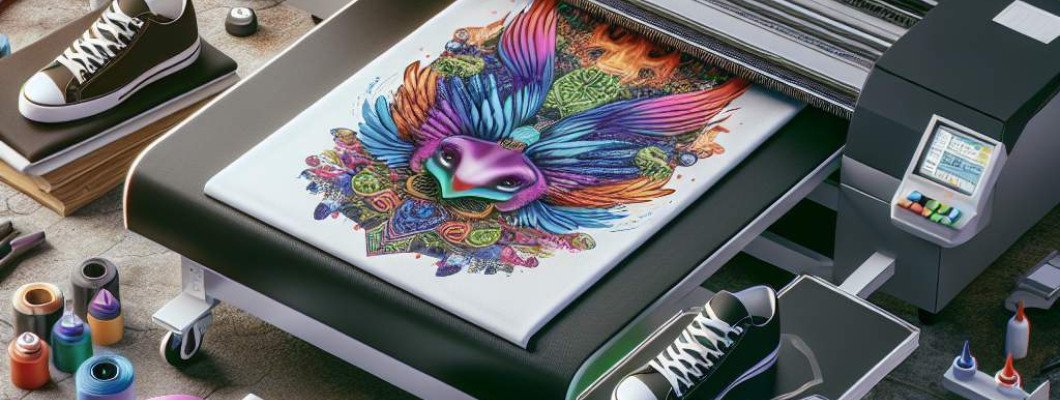
Struggling to get consistent results with your textile printing? Wondering why your apparel looks dull or isn't as vibrant as you'd like? If you"re into digital textile printing, especially with DTG (Direct-to-Garment) printers, you"ve probably faced these issues at some point. The good news is that recent developments are transforming the game. Digital textile printed apparel now sees a performance boost as DTG printer compatibility widens beyond cotton. Let"s dive into what"s happening and how it can benefit your business.
Understanding the Shift: Why Compatibility Matters
For years, DTG printers primarily dedicated themselves to printing on cotton fabrics. That"s because cotton absorbs ink well, leading to vibrant results and durable prints. But what about other fabrics like polyester, blends, or synthetic materials? Many printers struggled here, limiting designers and brands to a narrow fabric palette.
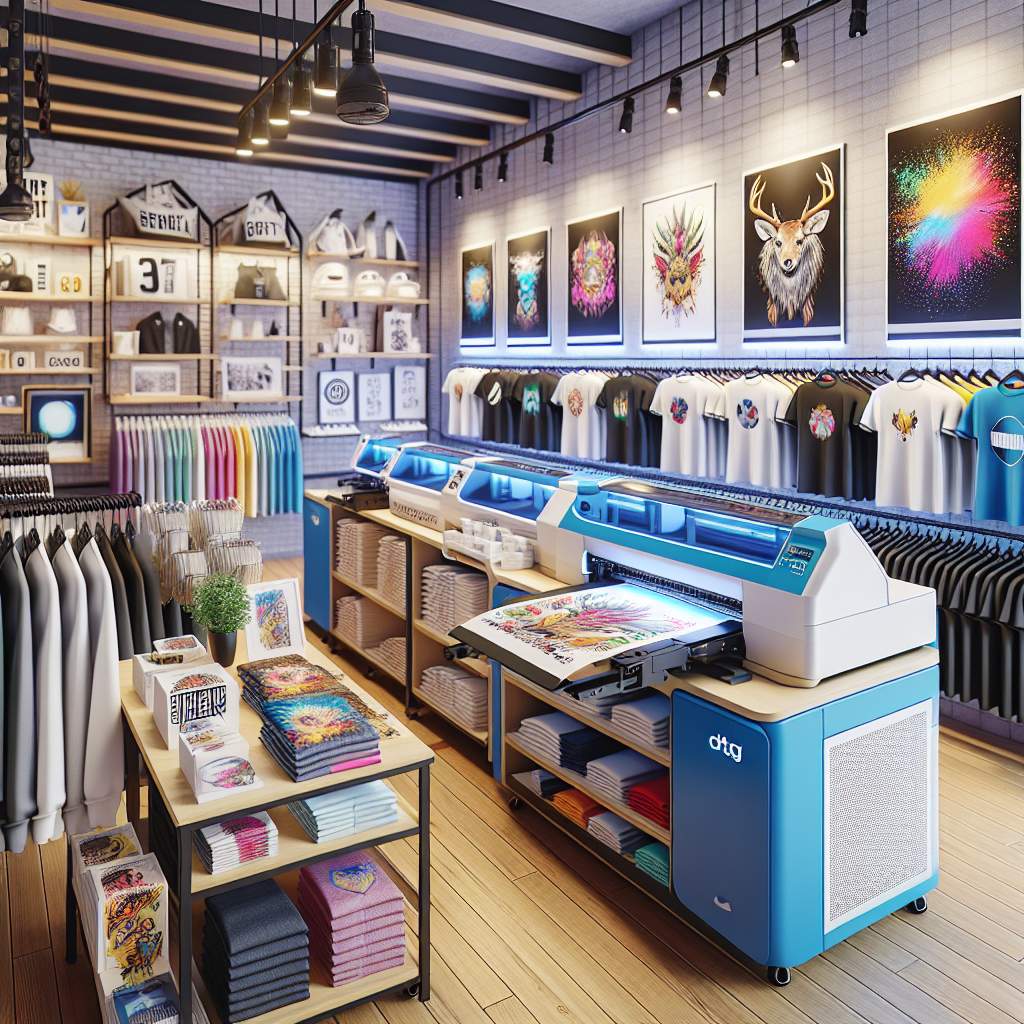
Now, thanks to technological advancements, DTG printers are compatible with a broader range of textiles. This means you can print on polyester, blends, and even recycled or eco-friendly fabrics without sacrificing quality. The compatibility expansion opens up new avenues for apparel manufacturers and customizers, boosting performance, vibrancy, and durability across diverse fabrics.
The Technology Behind Improved Compatibility
New Ink Formulations
One major breakthrough has been the development of advanced inks that can adhere to non-cotton fabrics. These inks are designed to bond with the fibers of polyester and synthetic materials, preventing issues like cracking, peeling, or fading. For example, some water-based or sublimation inks now work seamlessly with polyester, producing vivid images that last wash after wash.
Enhanced Printer Hardware and Software
Modern DTG printers feature upgraded print heads and software updates that optimize ink flow and precision on different fabrics. These innovations help achieve sharp detail, color accuracy, and high resolution printing across various textiles. When compatibility widens, it isn"t just about the ink but also the hardware being capable of handling diverse material textures without clogging or misprints.
Pre-treatment and Finishing Solutions
Applying the right pre-treatment is crucial, especially when printing on materials like polyester. New formulations now make it easier to prepare fabrics, ensuring consistent ink absorption and adhesion. Finishing processes, such as heat pressing, also help set inks firmly into the fabric, extending the life of your prints.
Benefits of the Compatibility Expansion
- Greater Creative Freedom: You"re no longer confined to cotton. Print on a variety of fabrics like polyester, nylon, or blended materials to meet customer demands for unique apparel.
- Enhanced Durability: Modern inks and processes produce prints that withstand washing and wear on synthetic fabrics as well as cotton.
- Cost Efficiency: Printing on a wider range of fabrics with a single printer reduces the need for multiple machines or outsourcing, saving time and money.
- Eco-Friendly Options: Compatibility with recycled fabrics and blends promotes sustainable fashion initiatives.
Real-World Example: A Custom T-Shirt Brand"s Success Story
Imagine chatting with a friend who runs a small fashion label. They started experimenting with printing on polyester sportswear and blends, but struggled with dull colors and inconsistent results. After upgrading to a DTG printer with broader fabric compatibility, they immediately noticed the difference. Vibrant images, tighter details, and durable prints — all on synthetic fabrics. Their sales increased because they could offer more diverse products. They even expanded into performancewear,seeing a performance boost thanks to the new technology.
Choosing the Right DTG Printer for Compatibility
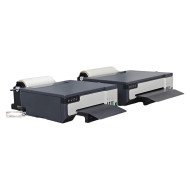
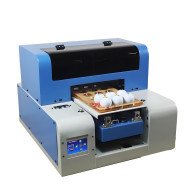
If you"re eyeing a solid upgrade, check out the A3 DTG Printer. It"s designed to handle a variety of fabrics, making it perfect for expanding your textile options while maintaining high quality and efficiency. When selecting a printer, consider:
- Compatibility features with synthetic and blended fabrics
- Compatibility with eco-friendly inks
- Ease of maintenance and support
- Print resolution and speed
FAQs About Expanded DTG Compatibility and Textile Printing
1. Can I print on both cotton and polyester with the same DTG printer?
Yes, modern DTG printers with compatibility upgrades can handle both fibers. Just ensure you're using the right inks and pre-treatment for each fabric type.
2. Will printing on synthetic fabrics affect the durability of the print?
No. Advances in ink formulations and finishing processes have made prints on synthetic fabrics as durable as those on cotton.
3. Are there specific inks for non-cotton textiles?
Yes. There are inks specially developed for polyester and blends, including sublimation and specialized water-based inks.
4. Can I switch between fabrics easily without changing the printer?
Most modern DTG printers allow quick swaps and adjustments, making it easy to switch fabrics with minimal downtime.
5. What should I consider when upgrading my existing DTG printer to work on broader fabric types?
Check printer compatibility, ink options, pre-treatment requirements, and whether the manufacturer offers support for multi-fabric printing capabilities.
Digital textile printed apparel is evolving quickly. Widening DTG printer compatibility beyond cotton is a game-changer. It boosts performance, allows more creative freedom, and meets modern customer demands. If you're serious about expanding your fabric options, now"s the right time to invest in technology confident enough to handle diverse textiles efficiently.













Leave a Comment