
Custom fashion startups reducing inventory pressure by building collections around dtf printer technology
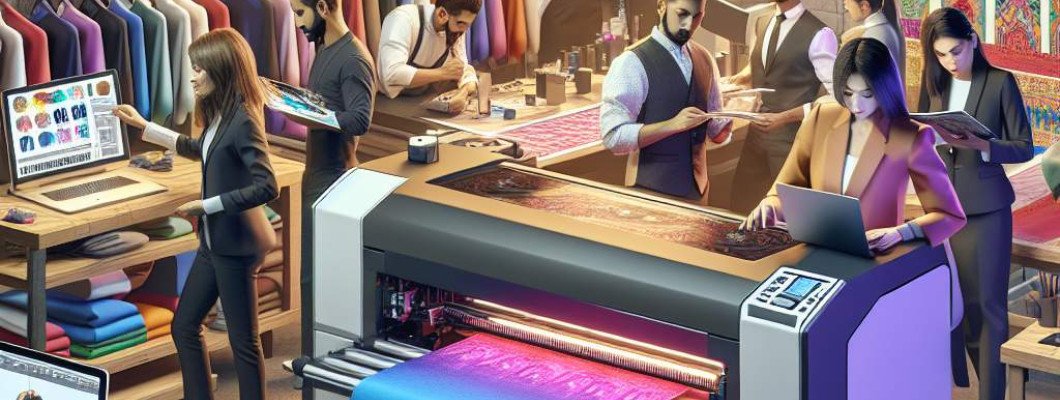
Are You Struggling to Manage Inventory in Your Fashion Startup?
If you own or are planning to start a custom fashion business, you know that inventory management is one of the most significant challenges. Excess stock ties up capital, increases waste, and limits your flexibility to adapt to trends. But what if there was a way to create collections **on demand**, reducing inventory pressure while meeting fast-changing customer preferences?
Understanding the Role of DTF Printer Technology in Modern Fashion Startups
Direct-to-film (DTF) printing technology is transforming how small fashion brands and startups operate. Unlike traditional methods that require large batch production, DTF allows you to print custom designs quickly and cost-effectively on a variety of garments. This flexibility is game-changing for startups aiming to minimize inventory costs and maximize responsiveness.
How DTF Printer Technology Helps Reduce Inventory Pressure
In conventional fashion manufacturing, brands often produce large quantities of items in anticipation of demand. This approach leads to leftover stock, markdowns, or unsold inventory — all costing you money. DTF technology offers a smarter approach:
- On-Demand Production: Print exactly what customers order, no more, no less.
- Low Minimum Orders: Start small with minimal investment and scale as needed.
- Fast Turnaround: Produce customized items in a matter of hours, not days or weeks.
- Variety without Excess: Build diverse collections with limited stock, testing new designs without financial risk.
Building Collections Around DTF Printing
Instead of maintaining a large inventory of standard designs, fashion startups can create dynamic collections based on current trends and customer preferences. Here"s how to do it effectively:
- Identify Niche Markets: Focus on specialized segments where personalized designs are highly valued.
- Use Data to Guide Design: Analyze customer preferences and buying patterns to inform your print designs.
- Develop Core Designs: Have a few core templates that can be customized easily for different customers.
- Test New Ideas on Demand: Use DTF printing to experiment with bold, limited-edition designs without the risk of unsold stock.
- Engage Customers in Design: Offer customization options to enhance engagement and command higher prices.
Case Study: A Small Startup"s Success with DTF Integration
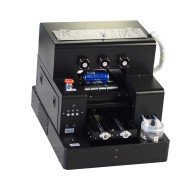
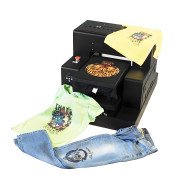
Imagine Sarah, a budding fashion designer who started her brand online. She was frustrated by unsold inventory piling up after each season. Then she invested in a DTF printer (check out their range of DTF printers) and shifted her strategy. Instead of mass-producing her collection, she created a small batch of customizable T-shirts and hoodies. When orders came in, she printed exactly what each customer wanted, reducing excess and waste.
This approach not only cut costs but also boosted her brand"s appeal as a personalized, eco-conscious option. Her customers appreciated the immediate delivery of unique designs, and her collection stayed fresh and relevant, driven by demand rather than guesswork.
Why More Fashion Startups are Turning to DTF for Flexibility and Cost Savings
Flexibility and cost-efficiency are critical for startups trying to carve out their niche. DTF printing equips you with the tools to do that:
- Reduce Waste: Print small runs that match customer demand, minimizing unsold stock.
- Increase Responsiveness: Quickly adapt to emerging trends or seasonal changes.
- Enhance Creativity: Experiment with new designs without heavy investment.
- Improve Cash Flow: Pay for production as you go, rather than upfront large orders.
In essence, DTF technology empowers you to build collections that are **agile, personalized, and aligned** with market demand.
Choosing the Right DTF Printer for Your Startup
Investing in a reliable DTF printer is crucial. When selecting a model, consider:
- Print Quality: Crisp, vibrant images that last wash after wash.
- Operational Ease: User-friendly software and maintenance requirements.
- Speed and Volume: Capable of handling your expected order volume.
- Cost and Support: Competitive pricing and good customer service.
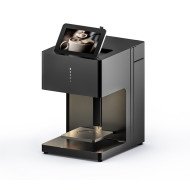
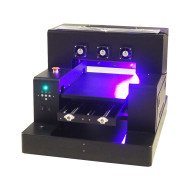
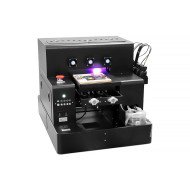
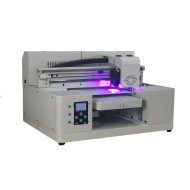
Leading brands like GNFÉI DTF printers offer excellent options suitable for startups looking to scale without huge upfront costs.
Scaling Up While Keeping Inventory Low
As your business grows, DTF technology continues to offer advantages:
- Mass Customization: Serve larger orders with personalized touches.
- Rapid Prototyping: Develop new designs and test market response before full-scale production.
- Reduced Storage Needs: Fewer storage facilities required with just-in-time production.
- Cost Efficiency: Lower risk of dead stock and markdowns.
It"s a scalable solution integrating seamlessly with your online or physical store strategy.
Frequently Asked Questions (FAQs)
1. Can DTF printing handle bulk orders?
Yes, advanced DTF printers are capable of handling large volume orders efficiently, making them suitable for both small startups and growing brands.
2. Is DTF printing durable enough for apparel?
Absolutely. DTF prints are known for their durability, maintaining vibrant colors wash after wash.
3. What is the typical setup time for a DTF printing system?
Initial setup can take a few hours, but once configured, operational speed is high, allowing quick turnaround times.
4. How does DTF compare to traditional screen printing?
DTF offers more flexibility, less setup time, and the ability to print complex designs without screens, making it ideal for small batch and personalized printing.
5. Is DTF technology environmentally friendly?
Yes, especially since it reduces waste by enabling on-demand production and fewer overproduced items.
If you"re aiming to reduce inventory pressure in your fashion startup, investing in a high-quality DTF printer like those from GNFÉI could be a strategic move to stay competitive and nimble.


Leave a Comment