
Why a UV Printer Is Ideal for Testing New Product Ideas Quickly
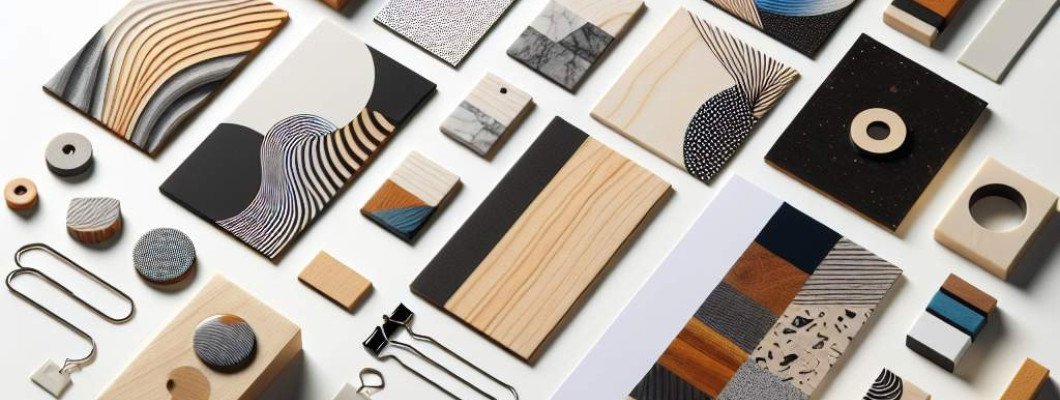
Are you struggling to test your new product ideas quickly and cost-effectively? Do you find traditional prototyping methods slow, expensive, or limited in flexibility? If so, then understanding why a UV printer is the ideal tool for rapid product testing might change the way you prototype forever. In today's fast-paced market, innovation demands speed and precision, and UV printing offers both in a way that traditional methods simply can't match. Let"s explore how a UV printer can streamline your product development process and give you a competitive edge.
What Makes UV Printing the Fast Track for Testing New Ideas?
UV printers are revolutionizing how companies approach product testing. Unlike conventional printing or manufacturing techniques, UV technology provides a rapid, versatile, and high-quality solution for creating prototypes, samples, or small batch products. Here"s why they stand out:
- Speed: Achieve instant customization. With UV printers, you can produce high-quality prototypes within hours, not days or weeks.
- Versatility: Print directly onto nearly any surface—plastic, metal, wood, glass, or even textured materials. This flexibility allows for more realistic testing of final products.
- Cost-Effective: Reduce expenses associated with molds or multiple manufacturing steps. You can quickly modify designs and print new samples without heavy setup costs.
- Rich Details & Colors: UV printers deliver vibrant, detailed images with a durable finish, making prototypes look as close to final products as possible.
- Minimal Waste: Digital printing minimizes material waste, aligning with sustainability goals and reducing costs.
Tap Into the Power of UV Printing for Product Development
Imagine chatting with a friend about launching a new product—say, a customized gadget or a niche home decor item. You want to showcase different design ideas quickly to gauge customer interest. Traditional methods might involve outsourcing, waiting weeks, and paying hefty fees for each iteration. But with a UV printer, you can produce multiple prototypes in mere hours right in your workshop or office.
For example, a startup developing a new smartphone case can print different textures, logos, or colors on a variety of materials. This level of rapid prototyping lets them gather feedback faster, refine designs on the fly, and even demonstrate customized options to potential investors or customers. Such agility is transformative, especially in competitive markets where time-to-market can make or break your success.
Why Businesses of All Sizes Are Turning to UV Printing
From small startups to large manufacturing firms, UV printers are becoming essential tools. Here"s how different sectors leverage this technology:
- Design Studios: Rapidly produce standalone samples or artwork to visualize concepts and make quick adjustments.
- Manufacturers: Test new product ideas on actual materials to assess look, feel, and durability before mass production.
- Advertising & Branding: Create eye-catching promotional items or packaging prototypes that impress clients and stakeholders.
- Gift and Apparel Industry: Print directly onto clothing, accessories, or novelty items to evaluate design appeal and quality.
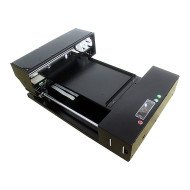
With using a [Spot UV printing machine](https://www.gnfei.com/products/spot-uv-printing-machine-glossy-uv-coating-printer.html), companies can deliver high-impact, textured finishes that enhance product appeal, all while testing concepts efficiently.
Choosing the Right UV Printer for Your Testing Needs
Not all UV printers are created equal. When selecting one for rapid product testing, consider:
- Print Size & Resolution: Ensure it can handle your prototypes' dimensions with crisp detail.
- Material Compatibility: Check if it works with your intended substrates.
- Speed & Productivity: Look for machines that balance quality with throughput.
- Cost & Maintenance: Consider your investment and ongoing support costs.
A good UV printer like the Spot UV Printing Machine offers high-quality finish options, fast printing speeds, and adaptability for various materials. It"s a smart investment to accelerate your product development cycle.
How to Maximize the Benefits of UV Printing in Your Workflow
- Define clear prototypes: Know exactly what you want to test—be it color schemes, textures, or functionality.
- Use high-quality materials: Opt for substrates that match your product"s final specifications for accurate testing.
- Experiment with finishes: Leverage UV adhesives like gloss or matte coatings to enhance the look and feel of prototypes.
- Document each iteration: Keep detailed records to compare and analyze how each design change affects user feedback and performance.
- Involve your team early: Share prototypes with designers, engineers, and marketers early to gather diverse insights and refine quickly.
This strategy allows rapid iteration, reduces costly delays, and cuts down time from concept to market. UV printing transforms product testing from a slow, uncertain process into an agile, precise process.
FAQs About UV Printing for Rapid Product Testing
1. Can UV printing be used on all types of materials?
UV printers are compatible with a wide range of materials including plastics, glass, metal, wood, and textiles. However, some textured or sensitive surfaces may require specific types of UV inks or surface preparation.
2. How long does it take to print a prototype with a UV printer?
Most prototypes can be printed within minutes to a few hours depending on complexity and size. This rapid turnaround accelerates your testing and development process significantly.
3. Is UV printing durable enough for functional prototypes?
Yes, UV-printed surfaces are generally highly resistant to scratches, chemicals, and UV light, making them ideal for functional testing and presentation.
4. What is the cost of setting up a UV printing system for product testing?
The initial investment varies based on the machine's capabilities but is often lower than traditional manufacturing setups. Maintenance costs are also manageable, especially with reliable machines like the Spot UV Coating Printer.
5. Can UV printing help in customizing products for small batch production?
Absolutely. UV printers excel at small runs with high customization, allowing you to produce unique prototypes or limited editions rapidly and affordably.
Considering all these points, it"s clear that a UV printer is an essential tool for testing new product ideas swiftly and effectively. Integrating this technology into your workflow can give you the competitive advantage needed to innovate faster and succeed in today"s marketplace.














Leave a Comment