
Why a DTG Printer Thrives in a World of Short Trends and Quick Drops
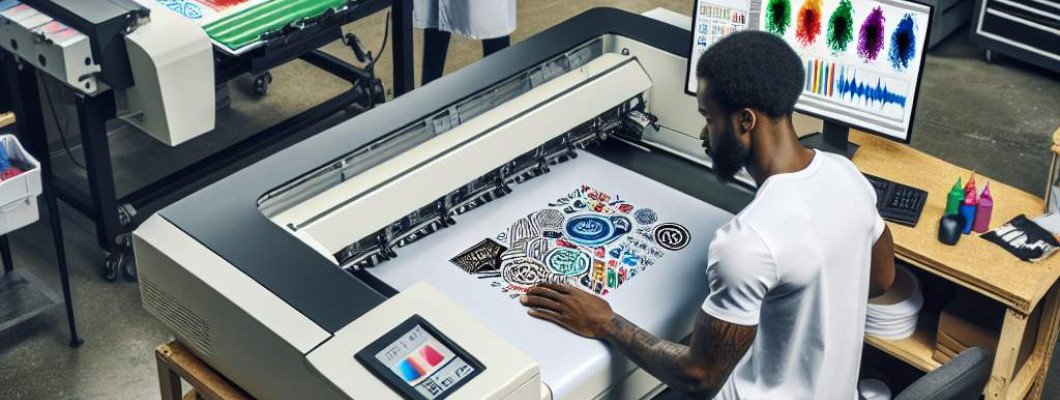
Why a DTG Printer Thrives in a World of Short Trends and Quick Drops
Are you struggling to keep up with the fast-changing world of fashion and custom apparel? Do you find it challenging to produce trendy designs quickly enough to meet the demands of short-lived trends or rapid product drops? If so, you"re not alone. The short lifecycle of trends today makes traditional printing methods less viable, and that's where a DTG printer truly stands out.
Imagine chatting with a friend who owns a small custom clothing brand. She was frustrated for months trying to keep inventory in check and meet the demand for new styles. Then, she invested in a **DTG printer**, and suddenly, her ability to adapt and respond to market trends skyrocketed. Within days, she could produce limited-run designs without huge upfront costs. This quick turnaround gave her a competitive edge in a crowded market.
The Rise of Fast Fashion and Its Impact on Printing Methods
Fast fashion has transformed how consumers buy clothes. What's trendy today may be outdated tomorrow. For brands, this means the need for rapid production and flexible designs. Traditional methods like screen printing or embroidery often involve longer lead times, bulk orders, and high setup costs, making them less suitable for short-term trends.
In contrast, **DTG (Direct-to-Garment) printing** allows for on-demand production, meaning you can print small batches or even single pieces efficiently. This flexibility lets brands hit the market quickly, test new designs with minimal risk, and adapt instantly to consumer preferences.
Key Advantages of DTG Printing in a Trend-Driven Market
- Fast Turnaround Times: Get your designs printed within hours, not days or weeks, enabling quick fashion drops.
- Low Setup Costs: No need for costly screens or stencils—ideal for short runs or custom orders.
- High-Quality Detail: Ability to reproduce complex designs, gradients, and photo-realistic images with vibrant colors.
- Flexibility: Change designs rapidly without significant investment—perfect for markets with fleeting trends.
- Eco-Friendly: Uses water-based inks that are less harmful, appealing to eco-conscious consumers.
For example, a small brand in Los Angeles started printing limited editions of streetwear inspired by seasonal trends. With a DTG printer, they could produce and release new designs every week, staying ahead of competitors who relied on traditional methods. Their customers loved the fresh, exclusive looks, and the brand grew quickly.
Overcoming Common Challenges with DTG Technology
While DTG printers offer significant benefits, many new users worry about issues like color accuracy, fabric compatibility, or durability. Here"s what you need to know:
- Color Accuracy and Vibrancy: Modern DTG printers use advanced inks that produce rich, vibrant colors close to digital images.
- Fabric Compatibility: Works well on cotton, polyester blends, and some polyesters with appropriate pretreatment.
- Durability of Prints: When properly cured, designs are durable and withstand repeated washing.
- Maintenance: Regular cleaning ensures consistent quality and longevity of your machine.
Choosing the right [DTG printer](https://www.gnfei.com/dtg-printer) supplier can make a difference. Look for models with good support, user-friendly interfaces, and scalable options for your business growth.
Scaling Quickly in a Competitive Market
Once you master DTG printing, you can easily scale up your operations. Because it"s so flexible, you"re not locked into large inventory investments. Need to test a new trend or limited edition? Print just a few pieces to gauge demand. As orders grow, expand your output without worrying about warehouse space or unsold stock.
Many successful brands have used this approach to stay agile. They monitor social media trends, produce designs on demand, and drop limited collections. This nimbleness keeps their brand relevant and exciting in a fast-moving landscape.
Choosing the Right Equipment for Your Business
Investing in a good DTG printer is crucial. Factors to consider include:
- Print speed: How fast can it produce a batch?
- Resolution and print quality: Does it render detailed artwork accurately?
- Ease of maintenance: Is cleaning and upkeep manageable?
- Cost of inks and supplies: Will ongoing expenses fit your budget?
- Compatibility: Does it work with your preferred fabrics?
You can explore options and get advice from industry leaders to find the perfect fit for your brand. Remember, a reliable DTG printer is an investment that can pay for itself in the first few successful quick drops.
How to Maximize Your Success with DTG Printing
- Stay on top of trends: Use social media and market research to spot upcoming styles early.
- Design for flexibility: Create designs that can be easily tweaked or updated.
- Test small batches first: Minimize risk and gather customer feedback before large runs.
- Offer limited editions: Use scarcity to drive demand and create buzz.
- Build an easy-to-navigate online store: Simplify ordering for quick responses.
By maintaining this level of agility, your brand can thrive in a market where quick drops and fleeting trends dominate. A DTG printer isn"t just a piece of equipment; it"s your secret weapon for rapid innovation and staying ahead of the curve.
FAQs About DTG Printing and Short-Lived Trends
- Is DTG printing cost-effective for small runs? Yes. Without the need for screens or setup fees, printing small batches is affordable and efficient, making it perfect for limited editions or testing new designs.
- How durable are DTG prints? When properly cured and maintained, DTG prints can last as long as traditional screen prints, resisting fading after multiple washes.
- What fabrics are best for DTG printing? Mostly cotton and cotton-blend fabrics work well. For polyester, special pretreatment is often necessary for optimal results.
- Can I print multi-color designs easily? Absolutely. DTG printers excel at reproducing complex, multi-colored images with high detail and smooth gradients.
- Is DTG printing environmentally friendly? Compared to some traditional methods, yes. Water-based inks and eco-friendly processes make it a greener choice for apparel customization.
In today"s world of short trends and rapid product drops, a **DTG printer** is an essential tool. It enables brands to stay flexible, respond swiftly, and meet customer demands with high-quality designs. Whether you"re just starting or scaling a busy operation, embracing DTG printing will keep you competitive in a constantly evolving marketplace.











Leave a Comment