
This Is Why a T-Shirt Printer Is Powering the Rise of Micro Apparel Brands

Are you struggling to stand out in the crowded world of fashion? Do you dream of launching your own micro apparel brand but feel held back by limited resources or manufacturing knowledge? If so, you're not alone. More small entrepreneurs are turning to innovative solutions to bring their unique designs to life, and the game-changer has been the advanced T-shirt printer. Understanding why a T-shirt printer is powering the rise of micro apparel brands can revolutionize your approach and give you the edge needed to succeed in today's competitive market.
Why Micro Apparel Brands Are Booming
Over the past few years, a surge in micro apparel brands has transformed the fashion landscape. These brands typically operate on a smaller scale—producing limited runs or even one-of-a-kind pieces—and focus heavily on niche markets and personalized designs. The rise is fueled by consumers" desire for unique, authentic clothing that stands out from mass-produced options.
For entrepreneurs, this shift creates a golden opportunity. However, traditional clothing manufacturing methods often involve high costs, minimum order quantities, and complex supply chains — making it difficult for small startups to enter the market. This is where modern T-shirt printers come into play, removing barriers and expanding what"s possible for micro brands.
The Role of T-Shirt Printers in Micro Apparel Growth
Let"s be honest: a professional-quality T-shirt printer is transforming how small brands operate. Instead of relying on wholesale suppliers or large production runs, entrepreneurs can now create custom apparel on demand. Whether it"s a limited edition or a unique design tailored to a specific audience, this technology delivers results that rival traditional printing methods.
For example, Olivia, a recent micro-brand owner, shared her experience: "I started designing T-shirts as a hobby but quickly realized there was demand for my designs on a small scale. Buying an affordable, high-quality T-shirt printer allowed me to print small batches effortlessly, test new ideas fast, and build my brand without huge upfront costs." This illustrates how accessible and impactful modern T-shirt printing can be.
Key Benefits of Modern T-Shirt Printers for Micro Brands
- **Lower startup costs:** Forget needing large MOQ (minimum order quantities). Buy as many shirts as your fans want.
- **Faster turnaround times:** From design to finished product within days, enabling rapid testing and iteration.
- **Enhanced customization:** Personalize designs, handle limited editions, or quickly adjust to market trends.
- **Higher profit margins:** Reduce third-party printing costs and avoid bulk inventory waste.
- **Flexibility in product offerings:** Experiment with different styles, colors, and designs without excess stock.
Choosing the Right T-Shirt Printer for Your Micro Brand
Not all T-shirt printers are created equal. The key is to select a device that aligns with your goals and budget. Features to consider include printing quality, speed, ease of use, and maintenance costs.
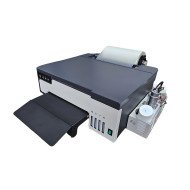
Some popular options include direct-to-garment (DTG) printers, heat transfer machines, and screen printing setups suitable for small batches. Among these, the affordable A3 DTG printer is gaining traction among startups due to its affordability and professional results.
How a DTG Printer Can Elevate Your Micro Apparel Business
Direct-to-Garment (DTG) printers are revolutionizing the micro apparel industry. They print directly onto textiles, producing vibrant, high-resolution images with minimal setup. Here"s why they"re ideal:
- High-quality prints that rival screen printing with detailed designs.
- Cost-effective for small runs — no need for screens or stencils.
- Quick production times— making it ideal for on-demand printing or limited editions.
- Ease of operation— modern models are user-friendly, even for beginners.
If you"re interested, exploring options like the A3 DTG printer can be a wise investment for starting or expanding your micro brand. It balances affordability with professional output, crucial for small-scale entrepreneurs.
Getting Started with Your Micro Apparel Business
Launching a micro apparel brand with a dedicated T-shirt printer involves a few strategic steps:
- **Define your niche:** Understand who your target audience is and what designs resonate with them.
- **Design your collection:** Use graphic design tools to create compelling, unique images.
- **Choose the right printer:** Consider your budget and expected volume; an affordable A3 DTG printer is a great starting point.
- **Set up your manufacturing space:** Dedicate a clean, well-ventilated area for printing and curing fabrics.
- **Establish your online presence:** Leverage eCommerce platforms and social media for marketing and sales.
- **Test and refine:** Use initial batches to gather feedback, then tweak designs and production processes accordingly.
Scaling Your Micro Brand: The Next Steps
Once your initial designs gain traction, consider expanding your product range or collaborating with artists. The versatility of your T-shirt printer allows you to experiment with new styles, colors, and fabrics without significant investment. Embracing the on-demand model minimizes waste and keeps your inventory lean.
Alternatively, partnering with local retailers or pop-up shops can amplify your reach. Many micro brands build loyal communities, which traditional manufacturing methods might hinder due to high costs and inventory risks.
FAQs for Micro Apparel Entrepreneurs
1. What is the best T-shirt printer for small-scale production?
The ideal choice balances quality, price, and ease of use. An affordable A3 DTG printer is often recommended for startups due to its compact size and professional output.
2. How much does a good T-shirt printer cost?
Entry-level models can start around $2,000 to $5,000, while more advanced units may cost upwards of $10,000. Consider long-term benefits and scalability when investing.
3. Can I run a micro brand from home?
Yes, with a suitable workstation, a reliable printer, and proper ventilation, you can turn a corner of your house into a small production hub.
4. How do I ensure quality and durability in printed shirts?
Use high-quality textiles, optimal printing settings, and proper curing techniques. Regularly maintain your equipment to keep results consistent.
5. Is it possible to create custom designs on demand?
Absolutely. Small batch printing with a T-shirt printer lets you fulfill individual orders quickly, making personalized apparel a viable business model.














Leave a Comment