
Why Many Startups Choose Affordable T-Shirt Printing with a DTG Garment Printer
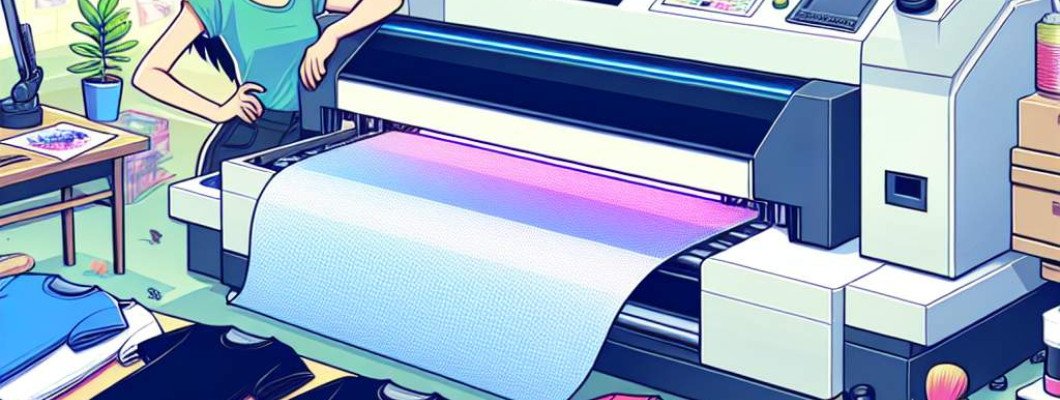
Why Many Startups Choose Affordable T-Shirt Printing with a DTG Garment Printer
Starting a new apparel business can be an exciting venture, but it also comes with its own set of challenges—particularly when it comes to producing high-quality custom T-shirts without breaking the bank. In recent years, Direct-to-Garment (DTG) printing has emerged as a game-changer for startups looking for an affordable, efficient, and versatile way to bring their creative designs to life. This innovative technology allows entrepreneurs to produce vibrant, detailed prints with minimal upfront costs, making it an ideal choice for small businesses and startup brands seeking to establish themselves in the competitive apparel market.
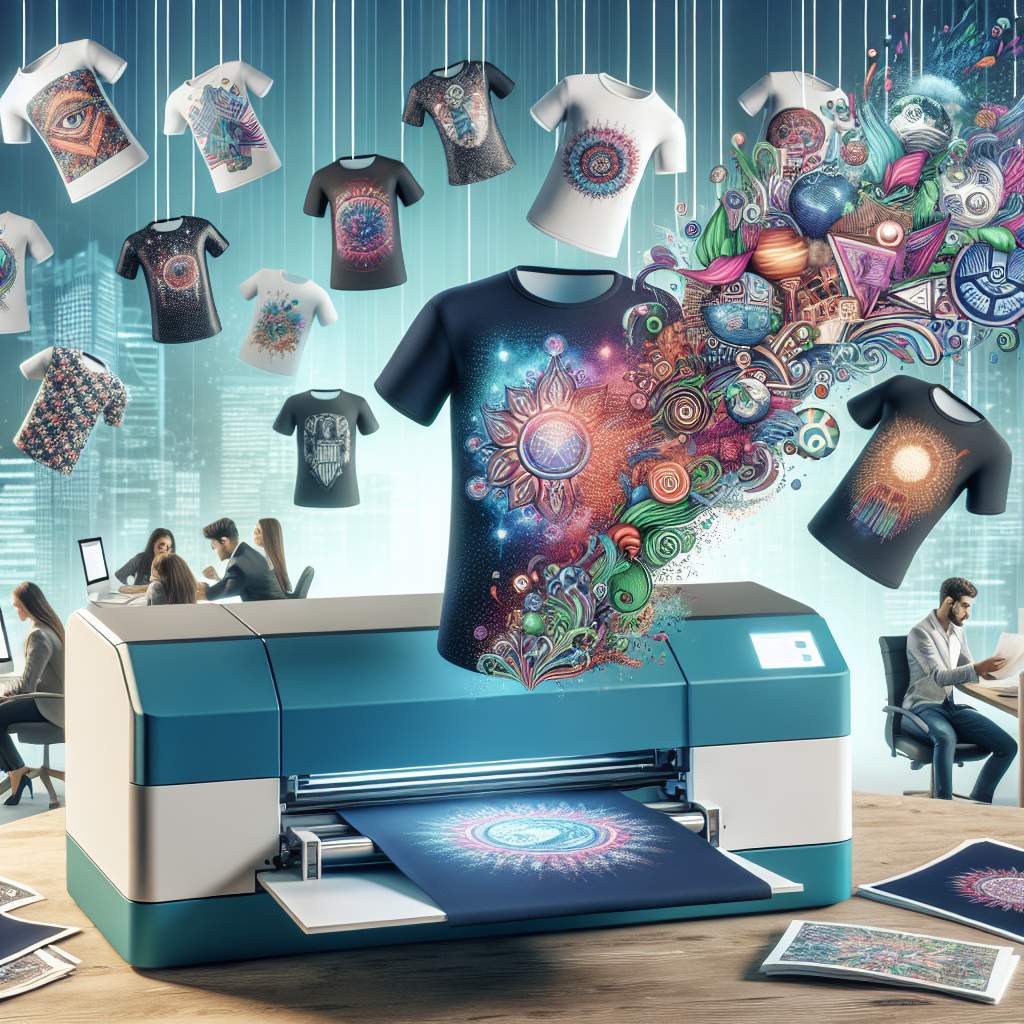
One of the key reasons why many startups opt for DTG garments printing is its incredible cost-effectiveness. Traditional screen printing methods often require large minimum orders, expensive screens, and lengthy setup times that can be prohibitively costly for small runs or one-off designs. Conversely, DTG printing enables businesses to produce small batches, even just a single shirt, at a reasonable per-unit cost. This flexibility allows startups to test new designs, offer limited-edition runs, or customize orders without significant financial risks. As a result, entrepreneurs can focus their resources on marketing and brand growth instead of worrying about high initial investments in printing infrastructure.
Another major advantage of choosing a DTG garment printer is the exceptional print quality it offers. Unlike traditional methods, DTG printing applies ink directly onto fabric using advanced inkjet technology, resulting in sharp, detailed images with a full spectrum of vibrant colors. This technology is perfect for creating intricate artwork, photographs, and designs that require a high level of detail and color accuracy. For startups aiming to establish a reputation for quality, DTG ensures their products stand out from the competition, captivating customers with eye-catching designs that look professional and durable. The ability to produce high-resolution prints instantly accelerates product development cycles and enables rapid iteration, which is critical in the fast-paced world of fashion and apparel.
Versatility is another compelling reason many startups choose DTG printing. Unlike screen printing or heat transfer methods, DTG can handle a wide range of fabric types including cotton, polyester blends, and even some blends of hemp or other materials. This flexibility allows brands to expand their product offerings without having to invest in multiple printing techniques or equipment. Additionally, DTG printers like the A3 DTG Printer are capable of printing on various apparel items beyond T-shirts—such as hoodies, tote bags, and even pillow covers—opening up new revenue streams for startups seeking to diversify their products. The ability to print on-demand, without minimum order constraints, further supports startups' agility in responding to market trends and customer preferences.
Ease of use is a significant benefit of modern DTG printers as well. Many systems come with user-friendly interfaces, automatic calibration, and minimal maintenance, allowing entrepreneurs with limited technical experience to operate them effectively. This reduces the need for costly specialized staff or external printing partners, enabling startups to keep their operational costs low. Moreover, digital files can be easily uploaded and queued for printing, streamlining the production process and reducing turnaround times. As a result, businesses can fulfill customer orders quickly, enhance customer satisfaction, and build a loyal customer base. For startups aiming to build their reputation on fast, reliable service, DTG printing is an excellent choice.
Another aspect worth considering is the environmental impact. Modern DTG printers use eco-friendly water-based inks that are softer, less toxic, and more sustainable compared to traditional plastisol inks used in screen printing. This aligns well with the values of many modern consumers who prefer eco-conscious brands. Additionally, because DTG printing produces minimal waste—only applying ink where needed—it reduces excess material and energy consumption. For startups aiming to establish a responsible brand image, investing in eco-friendly printing technology demonstrates a commitment to sustainability and can serve as a positive marketing point.
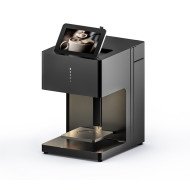
Choosing the right equipment is essential for maximizing the benefits of DTG printing. For startups, investing in a reliable, high-quality printer can make all the difference. The A3 DTG Printer offers an excellent balance of affordability, quality, and versatility, making it a popular choice among new brands. It features compact design, easy operation, and the ability to produce detailed prints on various fabrics. By selecting a trusted machine, startups can ensure consistent, professional results that satisfy their customers and build their brand reputation over time. Furthermore, pairing the printer with quality garments and inks will enhance durability and overall customer satisfaction.
In conclusion, the combination of affordability, high-quality output, versatility, ease of use, and eco-friendliness makes DTG garment printers the preferred choice for many startups entering the fashion and apparel industry. This technology empowers new brands to produce customizable, eye-catching designs quickly and economically, enabling them to compete with established players without needing significant upfront investment. As the demand for personalized apparel continues to grow, embracing DTG printing can provide startups with a competitive advantage, helping them turn their creative visions into reality and grow their business successfully. Whether you"re launching your first T-shirt line or expanding your product range, a reliable DTG printer like the A3 DTG Printer is a smart investment toward your startup's success.











Leave a Comment