
Print-on-demand platforms expanding globally as dtf printer supports versatile fabric and transfer applications
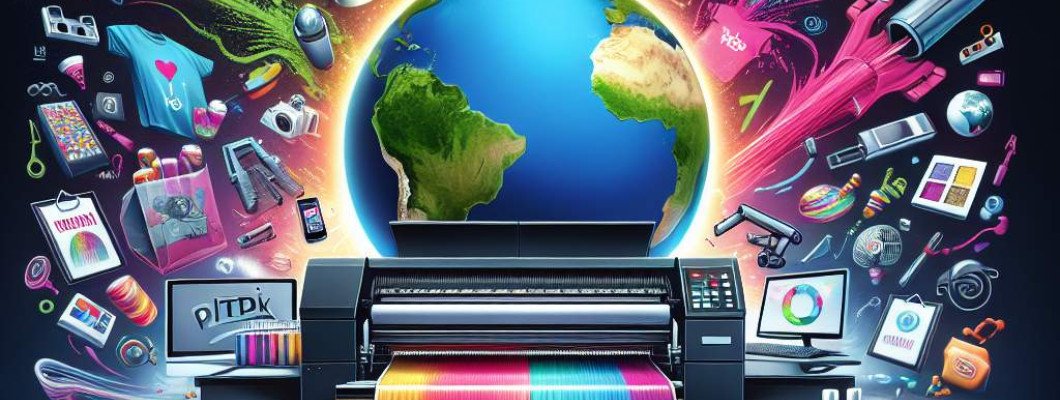
Are you wondering how print-on-demand platforms are expanding rapidly across the globe? Maybe you're a small business owner or a hobbyist looking to diversify your product range with high-quality, customizable items. The key to staying ahead in this competitive market lies in understanding the latest technology that fuels this growth — and that"s where DTF (Direct-to-Film) printers come into play. These versatile devices are revolutionizing how manufacturers produce fabric-based goods and transfer applications, making it easier than ever to meet international demand.
Print-on-demand (POD) platforms have transformed from niche services into global powerhouses. They allow businesses to offer personalized apparel, accessories, and home decor without holding inventories. But this expansion isn"t just about logistics; it"s driven by advanced printing technology, especially the DTF printers, which excel in versatility and quality. As these printers support a broad range of fabrics and transfer methods, they enable platforms to serve a worldwide audience with products that meet stringent quality standards.
Why Are DTF Printers a Game-Changer for Global Print-on-Demand?
Think about chatting with a friend who owns a small boutique. She used to struggle with limited printing options that couldn"t handle different fabrics or transfer styles. Once she adopted a DTF printer, her product range expanded effortlessly. She now produces vibrant, durable designs on polyester, cotton, blends, and even unusual textiles, all from a single machine. This flexibility is precisely why DTF printers are expanding the reach of print-on-demand platforms globally.
Unlike traditional DTG (Direct-to-Garment) or heat transfer methods, DTF printing offers several advantages:
- Versatility in Fabrics: Supports a wide variety of materials including cotton, polyester, blends, and specialty textiles.
- High-Quality Transfers: Produces vibrant, durable prints with excellent colorfastness.
- Cost-Effective Production: Lower cost per print, especially at higher volumes, making it perfect for global scaling.
- Minimal Material Restrictions: No need for specific fabric preparation or pre-treatment, simplifying the workflow.
- Speed and Efficiency: Faster turnaround times, enabling platforms to fulfill international orders quickly.
How the Global Expansion of POD Platforms is Powered by DTF Technology
Global e-commerce has opened new avenues for small and medium enterprises. However, expanding beyond local borders presents logistical challenges and demands for diverse product offerings. The integration of DTF printers into print-on-demand platforms addresses both. Here are some key reasons:
- Overcoming Language and Cultural Barriers: Custom designs tailored for local markets can be printed efficiently and shipped globally.
- Reducing Inventory Hazards: No need for large stockpiles; products are created on demand, minimizing waste and storage costs.
- Meeting Different Market Standards: DTF printing supports high-resolution, vibrant images that appeal to various demographics worldwide.
- Supporting Multiple Transfer Methods: Beyond fabrics, DTF supports transfers onto non-textile surfaces like mugs, plates, and promotional items, broadening market reach.
- Eco-Friendly Production: Many DTF solutions use water-based inks that are environmentally friendly, aligning with global sustainability goals.
The Future of Print-On-Demand: Supporting Versatile & Global Applications
Imagine a fashion brand that started in Europe and now sells custom-designed sportswear in Asia and America. The secret behind their rapid growth? A reliable, versatile printing process. DTF printers let brands produce authentic, high-quality designs on a multitude of fabrics, catering effectively to regional preferences and standards. Their global reach is further amplified by online POD platforms that adapt seamlessly thanks to this technology.
Additionally, online platforms such as GN FEV"s DTG printers are enabling entrepreneurs to access professional-grade equipment that simplifies wide-scale operations. This combination of robust hardware and cloud-based platform integration makes it possible for anyone to start or grow a print-on-demand business with minimal upfront investment. The integration of DTF printers directly supports international expansion, assisting brands in producing high-quality, diverse merchandise on demand.
Practical Tips for Leveraging DTF Technology for Global Growth
- Invest in quality equipment: Choosing a reliable DTF printer ensures consistent results, reducing reprints and waste.
- Understand your target markets: Research local preferences and fabric choices for better product customization.
- Optimize your workflows: Use integrated software solutions for seamless design transfers and order management.
- Focus on eco-conscious practices: Use environmentally friendly inks and recyclable packaging to appeal to eco-aware consumers worldwide.
- Partner with international logistics providers: Ensure efficient, affordable shipping options tailored to each region"s needs.
Remember, the core of success in today"s global POD landscape depends on flexibility and speed. DTF printers give you both, turning your ideas into worldwide products efficiently. If you're ready to expand your offerings with versatile fabric and transfer applications, exploring the latest in DTF technology is a critical step.
Frequently Asked Questions
1. What is a DTF printer and how does it differ from traditional printing methods?
A DTF (Direct-to-Film) printer applies designs onto a special film that is then transferred onto fabric using heat and adhesive powders. Unlike DTG or heat transfer printing, DTF offers greater versatility, supports various fabrics, and produces durable, vibrant prints.
2. Can DTF printers print on all fabric types?
Most DTF printers support a wide range of fabrics including cotton, polyester, blends, and even some specialty textiles like nylon or leather. This versatility makes it ideal for global POD platforms needing diverse product options.
3. Are DTF prints durable for international shipping and wear?
Yes, when using high-quality inks and proper curing procedures, DTF prints are highly durable. They resist cracking, washing, and fading, making them suitable for various climates and environments.
4. How does DTF technology help small businesses expand internationally?
DTF technology allows small businesses to produce on-demand, customized products swiftly and with high quality. This reduces inventory costs and enables faster fulfillment, making international expansion feasible and profitable.
5. What should I consider before integrating DTF printers into my POD setup?
Evaluate factors like equipment cost, available support, fabric compatibility, and workflow integration. Training and quality control are also crucial to ensure consistent, high-quality output.
```













Leave a Comment