
Micro-factories thrive thanks to dtg printer innovations powering on-demand apparel

Are You Struggling to Keep Up with Fast-Fashion Demands?
Many apparel brands and entrepreneurs face the challenge of producing custom, high-quality clothing quickly and efficiently. Traditional manufacturing methods often fall short when it comes to rapid turnaround times and on-demand production. That"s where micro-factories powered by DTG printers are changing the game. If you"re looking to stay competitive, understanding how these innovations work can make all the difference.
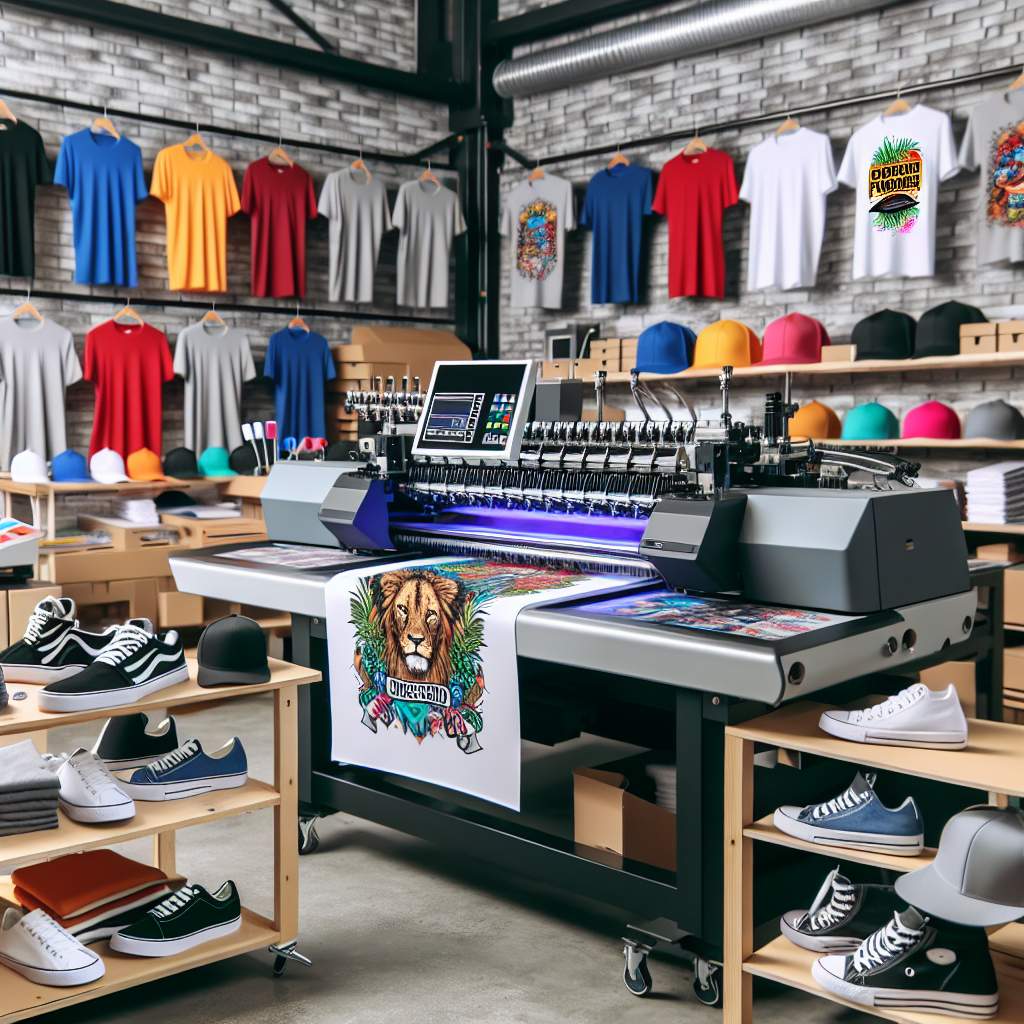
What Are Micro-factories and Why Are They Booming?
Simply put, a micro-factory is a small-scale manufacturing unit that can produce apparel on demand. Instead of mass-producing thousands of pieces in a large factory, micro-factories focus on localized, small-batch production. This is perfect for brands looking to customize products, reduce waste, and respond quickly to market trends.
Thanks to advances in digital textile printing, specifically Direct-to-Garment (DTG) technology, micro-factories are now more viable than ever. They allow for fast, flexible production runs without the need for costly inventory or extensive setup times. For example, I know a startup who switched to a DTG-powered micro-factory — they went from design to finished product in a fraction of the usual time, and their customer satisfaction soared.
How DTG Printer Innovations Are Powering On-Demand Apparel
DTG printing has been around for a while, but recent innovations have taken it to the next level. Here"s what"s making these printers essential for modern micro-factories:
Faster Printing Speeds
Modern DTG printers are much quicker, allowing small batches to be printed in minutes. This speed enables micro-factories to meet tight deadlines and reduce lead times significantly.
Higher Quality Outputs
New ink formulations and printhead technologies deliver vibrant colors and fine details. This means no more sacrificing quality for speed — your apparel looks professional and competitive.
Cost-Effective Production
Reduced setup costs and minimal waste make DTG printers ideal for on-demand production. You only print what you need, saving money and space.
Customization and Flexibility
Each piece can be personalized easily, which appeals to today"s consumers who crave unique items. DTG printers handle complex designs without extra hassle or cost.
Running a Micro-factory? Here"s How to Leverage DTG Innovations
If you"re considering jumping into this world, here are some practical tips:
- Invest in a high-quality DTG printer — check out models like this A3 DTG printer which combines speed and quality.
- Choose the right inks — water-based, eco-friendly inks deliver vibrant results and are safe for the environment.
- Optimize your workflow — streamline from design to print, ensuring minimal downtime and maximum efficiency.
- Train your staff — understanding maintenance and troubleshooting keeps your production running smoothly.
- Build strong supplier relationships — sourcing quality blank apparel and inks is crucial for consistent output.
Let me tell you a quick story: I recently spoke with a small clothing brand owner who used to rely on traditional batch production. After switching to a micro-factory with a top DTG printer, they could test new designs faster, cut inventory costs, and respond immediately to customer requests. They"re now more agile, and their customers love the customization options.
Future Trends: Where Are Micro-factories and DTG Printing Heading?
The industry isn"t standing still. Here"s what we can expect in the coming years:
- Enhanced speed and quality — ongoing R&D will push these two even further, making small-scale production indistinguishable from larger runs.
- Automation integration — combining DTG printers with automated cutting and finishing systems for end-to-end solutions.
- Eco-friendly innovations — more sustainable inks and processes that reduce environmental impact.
- Global micro-factory networks — spreading local manufacturing hubs worldwide, reducing shipping emissions and lead times.
Is a DTG-powered Micro-factory Right for You?
If your goal is to offer personalized apparel, reduce storage costs, and adapt rapidly to market trends, a micro-factory using advanced DTG printers is a smart move. It"s a way to stay ahead of fast fashion, appeal to eco-conscious customers, and test new designs without massive upfront investment.
Interested in what a top-tier DTG printer can do? Check out this A3 DTG printer here — it"s designed for speed, quality, and versatility.
FAQs
1. How much does a good DTG printer cost?
Prices vary, but quality models like the A3 DTG printer typically range from $10,000 to $20,000. Think of it as an investment in flexibility and speed.
2. Can I start a micro-factory with a small budget?
Yes, especially if you focus on a niche market. Beginning with a single printer and small inventory can keep initial costs manageable.
3. How long does it take to start producing apparel?
Once your equipment arrives and you"ve trained staff, most micro-factories can start production within a few days to a week.
4. Is DTG printing eco-friendly?
Modern DTG inks are water-based and designed to be environmentally friendly. Plus, printing on demand reduces waste and excess inventory.
5. What types of clothing can be printed with DTG?
Typically, cotton and polyester blends work best. For specialty fabrics, check printer compatibility to ensure top results.















Leave a Comment