
Beyond the Tee: 5 High-Margin Apparel Products You Can Print with DTG Today
07 Dec
Posted By
0 Comments
67 Views
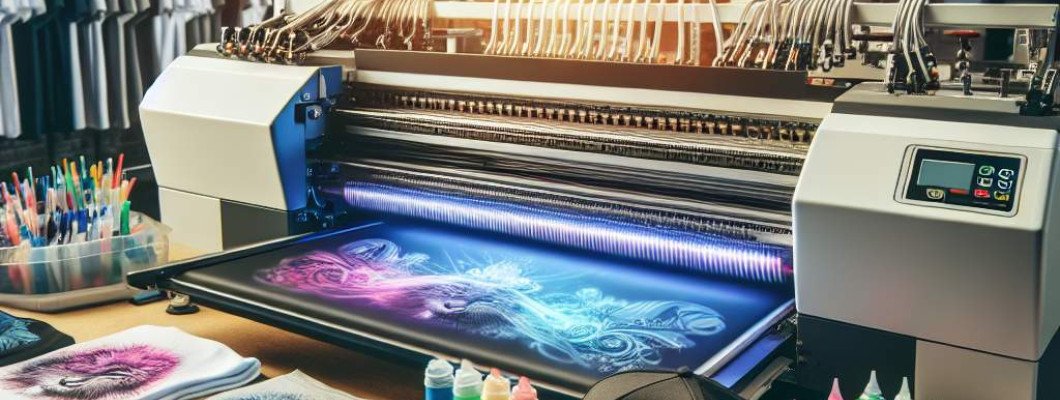
Struggling to grow your apparel printing business? Looking for high-margin products beyond basic T-shirts? You're not alone. The good news is, with DTG (Direct-to-Garment) printing becoming more affordable and versatile, you can expand your product lineup without massive investment. Let"s dive into five lucrative apparel products you can start printing today that will boost your profits and set you apart from the competition.
Why Consider Beyond T-shirts? Because diversification drives revenue.
You might already be printing T-shirts, but sticking solely to them can limit your earnings. Other apparel items offer higher profit margins and less competition. Plus, modern DTG printers like the A3 DTG Printer make printing on various fabrics faster and more affordable than ever. Think of it like expanding your product menu—more options, more sales, and happier customers.1. Custom Hoodies and Sweatshirts
Hoodies and sweatshirts are hot right now. Everyone loves cozy, personalized apparel, especially in colder seasons. The best part? They command higher prices than basic tees because of their size and material costs. **Why are they high-margin?** - They"re larger, so more ink and time, but that means higher pricing. - Consumers are willing to pay a premium for custom designs on cozy wear. **Tips to print successfully:** - Use high-quality opaque inks to get vibrant designs on darker fabrics. - Offer unique, trendy graphics or personalized names for added appeal. **Example:** I once chatted with a client who added custom hoodie designs for local sports teams. The margins doubled compared to T-shirts.2. Athletic Wear & Leggings
Athleisure is booming. More customers want stylish, comfortable workout clothing that they can wear outside the gym. Leggings, yoga pants, and sports bras can be a goldmine if you know how to print on them. **What makes them profitable?** - Athleisure clients often buy on impulse—once they see personalized options. - They"re made from stretchy, synthetic fabrics which require precise ink compatibility. **Printing tips:** - Use stretch-friendly inks that won"t crack or peel when the fabric stretches. - Focus on eye-catching patterns and motivational quotes. **Story:** A friend of mine launched a line of custom yoga leggings, targeting fitness trainers. Sales skyrocketed because they were unique and personalized.3. Custom Hats & Caps
Hats are a simple, high-margin product that"s easy to add to your portfolio. They"re popular for branding, gifts, or fashion statements. Cap printing isn"t difficult with DTG or direct methods like embroidery, but for full-color logo prints, DTG is a game-changer. **Why hats?** - Smaller surface area reduces ink cost, increasing profit margins. - They appeal to a broad market—sports clubs, companies, influencers. **Tips for printing:** - Use cap-specific inks or embroidery to ensure durability. - Offer customization options—team names, logos, or slogans. **Real-life:** I know a small shop that added cap printing and boosted revenue by 30% within months.4. Baby & Kids" Apparel
Parents love personalized clothing for their little ones. Onesies, kids" T-shirts, and small jackets are fun to print and have great margins, especially when they feature cute, funny, or sentimental designs. They"re smaller, so printing costs are lower, but prices are high because of the niche market. **Success factors:** - Focus on soft, comfortable fabrics and vibrant, safe inks. - Create themes that resonate with parents—funny sayings, family quotes, or popular characters. **Example:** One small business I know found success with personalized baby onesies, which became a hit at gift shops.5. Tote Bags & Accessories
While technically accessories, tote bags offer a wonderful entry point for high-margin, customizable products. They"re eco-friendly, trendy, and perfect for promotional campaigns. Printing full-color graphics makes them attractive, and margins can be quite substantial, especially for bulk orders. **Advantages:** - They require less ink per piece, increasing profitability. - Great for corporate gifts, festivals, or retail. **Pro tip:** Use DTG or dye-sublimation (for polyester blends) for vibrant, durable prints. **Customer story:** I recently helped a client create a line of eco tote bags for a local organic shop, which quickly became a popular retail item.How to Get Started with These Products
Switching or expanding into new apparel niches is easier than you think. Here's a quick checklist: - **Invest in versatile equipment** like the A3 DTG Printer that can handle different fabrics and sizes. - **Test your designs** on different materials—sweatshirts, leggings, caps, etc.—to find what sells best. - **Research your target market**: what styles, themes, or messages resonate? - **Optimize your workflow** by learning the strengths and limitations of each fabric and ink type. - **Offer customization** options to increase perceived value and margins. Expanding beyond T-shirts isn"t just about adding products; it"s about creating a diverse portfolio that maximizes your profit potential and keeps customers coming back for more. With DTG printing technology, you can do all this in a relatively small space and with modest investment. Want to see how our DTG solutions can help you make these shifts? Check out the A3 DTG Printer and get started today.FAQs
- Can I print on different fabrics with a DTG printer? Yes, modern DTG printers like the A3 model can handle cotton, blend fabrics, and some synthetics with the right inks and settings.
- Are high-margin apparel items worth the extra effort? Absolutely. Items like hoodies and leggings often sell for more, and your margins improve significantly compared to basic T-shirts.
- How do I ensure quality on dark-colored garments? Use opaque inks and pre-treatment to get vibrant, durable prints that won"t peel or crack.
- Can I start small with these new products? Yes. Test a few designs and order small quantities to gauge demand before scaling up.
- What"s the best way to market these new apparel products? Focus on social media marketing, local events, and partnering with influencers to showcase your personalized apparel line.

A4 Size Edible Food Printer – Custom Printing for Cakes, Cookies, and MoreThe A4 Size Edible Food Printer is an essential tool for bakeries, confectio..
$0.00
Ex Tax:$0.00
Effortless Operation: This full-automatic DTF printer boasts an easy-to-operate design, making it simple for users to manage and maintain, even for th..
$0.00
Ex Tax:$0.00
UV Spare Parts – Comprehensive Range for UV Printer MaintenanceWe offer a complete selection of UV printer spare parts, designed to ensure your p..
$0.00
Ex Tax:$0.00

Coffee Printer Printing Machine – Professional Custom Printing on BeveragesThe Coffee Printer Printing Machine is a professional-grade device designed..
$0.00
Ex Tax:$0.00
Bring Your Food to Life with the Food-Grade PrintPenTurn everyday food into delightful, personalized creations with the Food-Grade PrintPen, a re..
$0.00
Ex Tax:$0.00

Edible Food Ink - Premium Printing Solution for Culinary ArtistryGNFEI Edible Food Ink is a high-performance, food-grade ink specially formulated for ..
$0.00
Ex Tax:$0.00

PrintPods — Redefining Handheld Printing for Every SurfaceCompact, lightweight, and incredibly versatile, the PrintPods is not just a printer—it'..
$0.00
Ex Tax:$0.00

F50V3 UV DTF Printer – Compact Dual-Head Flatbed with Rotary & DTF SupportThe F50V3 UV DTF Printer is a versatile small-format UV flatbed designed..
$0.00
Ex Tax:$0.00

Single-Sided Electric Laminating Machine – For Crystal Stickers, Photo Books, Labels & MoreThis Single-Sided Electric Laminator is..
$0.00
Ex Tax:$0.00
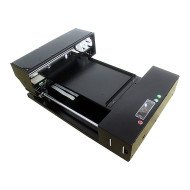
Headstone Photo Printer – High-Quality Tombstone and Memorial Photo PrintingThe Headstone Photo Printer is an innovative solution designed specificall..
$0.00
Ex Tax:$0.00

Spot A4 LED UV Printer – High-Precision Printing on Cylindrical and Curved SurfacesThe Spot A4 LED UV Printer is a versatile, high-performance printin..
$0.00
Ex Tax:$0.00

A3 DTG Printer – High-Quality Direct-to-Garment PrintingThe A3 DTG Printer offers a professional, efficient solution for businesses looking to produce..
$0.00
Ex Tax:$0.00

A4 UV Printer Cylinder Printer – Custom Printing on Cylindrical and Curved SurfacesThe A4 UV Printer Cylinder Printer is designed to provide unparalle..
$0.00
Ex Tax:$0.00
Coffee Printer Printing Machine – Professional Custom Printing on BeveragesThe Coffee Printer Printing Machine is a professional-grade device designed..
$0.00
Ex Tax:$0.00

A2 Plus Size UV Printer – Precision Embossed Glossy Printing on Various MaterialsThe A2 Plus Size UV Printer offers a professional and versa..
$0.00
Ex Tax:$0.00

Smart Latte Coffee Printer – Innovating Beverage Personalization with Smart TechnologyThe Smart Latte Coffee Printer brings cutting-edge technology to..
$0.00
Ex Tax:$0.00

New A3 Spot UV Printing Machine Support Varnish and White PrintingThe A3 Spot UV Printing Machine brings a new dimension to your printing possibilitie..
$0.00
Ex Tax:$0.00

Mini Coffee Printer – Custom Printing on Coffee and BeveragesThe Mini Coffee Printer is a unique and innovative solution for businesses looking to add..
$0.00
Ex Tax:$0.00
Edible Food Ink - Premium Printing Solution for Culinary ArtistryGNFEI Edible Food Ink is a high-performance, food-grade ink specially formulated for ..
$0.00
Ex Tax:$0.00

The Flower Printer is a revolutionary printing solution designed specifically for the floral industry, enabling businesses to create personalized, vib..
$0.00
Ex Tax:$0.00
Leave a Comment