
Consumer brands turning to UV printer to deliver photo-quality prints on metal, glass, and wood products
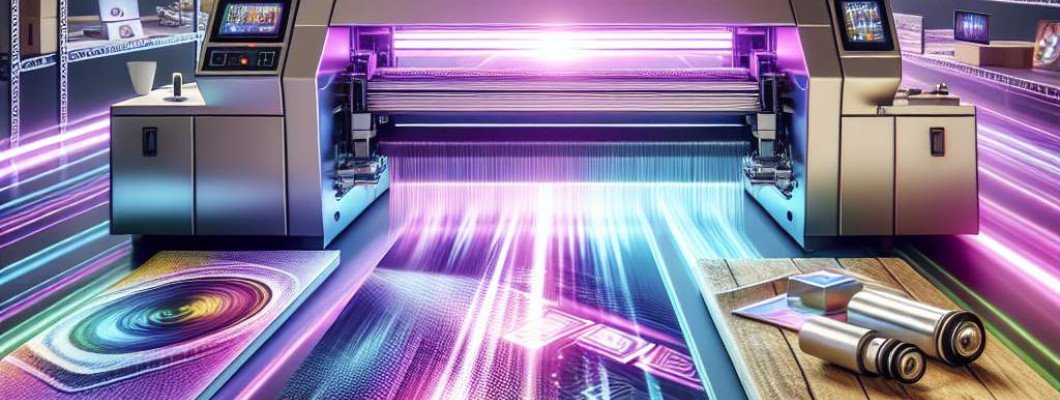
Are you struggling to stand out with your product packaging or branding? Curious how some brands seem to deliver stunning, photo-quality finishes on metal, glass, and wood? The answer may be right in front of you: UV printing technology.
More consumer brands are turning to UV printers to transform ordinary surfaces into eye-catching showcases. If you're considering this step, you're not alone. I"ve spoken with several brands hopping onto this trend, and what I hear consistently is how UV printing elevates their product aesthetic, increases customer engagement, and even boosts sales.
What is UV Printing and Why Is It a Game-Changer?
Understanding UV Printing
UV printing uses ultraviolet light to cure or dry the ink almost instantly after it hits the surface. That means vibrant, detailed images can be printed directly onto various materials like metal, glass, and wood—no need for traditional conditioning or coating. Think of it like a laser sharp, high-definition photo being transferred onto your product in real-time.
Why Are Brands Choosing UV Over Traditional Printing?
- Photo-Quality Resolution: Sharp, detailed images that make products look premium.
- Versatility: Can print on uneven, textured, or unusual surfaces without issue.
- Fast Turnaround: Almost immediate curing reduces production time.
- Durability: UV inks are resistant to scratching, fading, and environmental factors.
All these benefits create a more compelling product that attracts attention and impresses customers right out of the box.
Real-World Examples of UV Printing Success
Take a small jewelry brand I was talking to—let"s call them SparkleCo. They wanted to add a luxurious touch to their packaging. By integrating UV printing, they started printing intricate designs and high-resolution logos directly onto glass jewelry boxes. Customers loved the premium feel! Now, their packaging is part of the product's appeal, leading to increased word-of-mouth and repeat sales.
Another example is a home décor company applying UV printing to wood items. They printed custom personalized quotes and intricate patterns directly onto wooden picture frames. The images are vivid, and the durability means the designs last no matter where the product goes—outdoor, indoor, or busy households.
Key Benefits of Using UV Printing for Your Brand
Enhanced Product Appearance
Photo-quality prints on metals, glass, and wood instantly upgrade your product"s look. It"s like turning a plain surface into a masterpiece.
Customization and Personalization
People love products that feel one-of-a-kind. UV printing allows for easy customization—think personalized gifts or limited editions—that can set your brand apart.
Cost-Effective Production
Since UV printers don"t require multiple steps or coatings, production becomes faster and cheaper in the long run. Plus, the inks stick well, reducing waste.
Sustainability
Many UV inks are eco-friendlier, emitting fewer VOCs—volatile organic compounds—making your brand more sustainable and appealing to eco-conscious consumers.
How to Get Started with UV Printing
Select the Right Printer
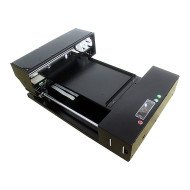
Look for a UV printer that handles a wide range of materials, offers high resolution, and is easy to operate. For example, this UV printer model is a solid choice for small to medium-sized brands aiming for versatile, high-quality output.
Prepare Your Artwork
Design high-resolution images or logos. Remember, UV printing captures fine details, so use vector graphics whenever possible for sharpness.
Test and Perfect
Start with sample prints to fine-tune ink settings for your surfaces. This ensures consistent results and high-quality output once you go into full production.
What To Watch Out For
- Surface Compatibility: Not all UV printers handle every material equally. Check compatibility.
- Learning Curve: Operating a UV printer takes some training. Expect to familiarize yourself with settings and maintenance routines.
- Initial Investment: UV printers can be expensive upfront, but they pay off through high-quality outputs and versatility.
Future Trends and Opportunities
UV printing is constantly evolving. Expect even higher resolutions, faster speeds, and broader material compatibility. This opens doors for brands to innovate in packaging, promotional products, and customized merchandise—making your products not just functional but also works of art.
Overall, if you"re aiming to boost your brand with eye-catching, durable prints on metal, glass, or wood, UV printing is a powerful tool. It combines quality, speed, and flexibility—exactly what modern consumer brands need to stay competitive and grow.
FAQs
1. How durable are UV prints on different surfaces?
UV prints are highly durable, resistant to scratching, fading, and environmental damage—perfect for products that get daily use or outdoor exposure.
2. Can I use UV printing for small batch or one-off products?
Absolutely. UV printers are ideal for short runs, customization, and prototypes, thanks to their fast setup and high-quality output.
3. What surfaces are best for UV printing?
Metal, glass, wood, acrylic, and certain plastics. Always check your printer"s specifications to ensure compatibility with your material.
4. Is there any special maintenance required for UV printers?
Yes. Regular cleaning, ink replacement, and calibration are needed. Some models come with automated cleaning routines; others may need manual attention.
5. How does UV printing compare with traditional methods?
UV printing offers superior detail, speed, and versatility. Traditional methods might still be relevant for large runs or specific finishes, but UV printing is quickly becoming the standard for high-quality, customizable branding.














Leave a Comment