
Creative production workflows transforming as UV printer integrates seamlessly with digital design tools

Struggling to elevate your creative production workflows? You"re not alone.
Many designers and print professionals face the challenge of keeping up with rapid technological advances. The biggest game-changer lately is how UV printers are integrating with digital design tools. If you"re wondering how this can streamline your projects and boost your creativity, you"re in the right place.
Imagine chatting with a friend who's a seasoned print shop owner. They told me how switching to a UV printer that seamlessly connects with their design software transformed their entire process. No more transferring files back and forth, no more delays. That"s the power of modern digital integration.
What is a UV Printer and Why Does It Matter?
A Quick Breakdown
A UV printer uses ultraviolet light to instantly cure ink on various surfaces. That means faster production times, sharper images, and the ability to print on unusual materials like wood, glass, or metal. Traditional inkjet printers might struggle or require multiple steps, but UV technology simplifies all that.
This process offers more durability and vibrant colors, which are perfect for custom products or high-end branding. Plus, UV printers often come with advanced software that connects directly to digital design tools—saving you time and reducing errors.
Transforming Creative Workflows with Seamless Integration
How Digital Design Tools Work Hand-in-Hand with UV Printing
Here"s the core benefit: when your UV printer can connect directly to software like Adobe Illustrator, CorelDRAW, or other design platforms, you eliminate the tedious steps of exporting and re-importing files. That means faster turnaround and fewer mistakes.
- Native file compatibility: Create your design, export it, and send it directly to the printer. No intermediate conversions needed.
- Real-time previews: Some software offers live previews of how your design will look on different materials, minimizing surprises.
- Automatic color management: Ensures your colors stay consistent across devices, giving your prints the same vibrancy every time.
Think of it as upgrading from a manual typewriter to a laptop. The workflow becomes smoother, faster, and more intuitive.
Practical Benefits for Your Business
Why This Matters
Integrating UV printers with digital design tools isn"t just about convenience. It directly impacts your bottom line and customer satisfaction.
- Faster production cycles: Complete projects in less time, take on more clients, improve cash flow.
- Enhanced creativity: Push boundaries with complex designs that are easier to produce without bottlenecks.
- Higher quality output: Precise control over ink placement and colors leads to professional finishes every time.
For example, I recently worked with a small boutique that took their custom packaging to the next level thanks to this integration. They could go from design concept to finished product in record time, impressing clients with stunning results that previously took days to produce.
How to Maximize Your Workflow with UV and Digital Software
Tips & Tricks
- Choose compatible software: Ensure your design tools are compatible with your UV printer's software for seamless operation.
- Invest in training: Learn the software features – many updates include automation that accelerates workflow.
- Optimize design files: Use vector graphics and high-resolution images for best results.
- Set up your workspace wisely: Keep your computer and printer connected with a reliable network to reduce delays.
- Trial print runs: Always test new designs to calibrate colors and ensure quality before production.
Most importantly, stay updated with the latest software releases and hardware updates. These often include new features designed to boost productivity and quality.
Where to Find Reliable UV Printing Solutions
Top Options in the Market
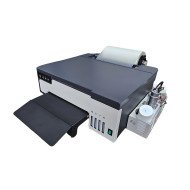
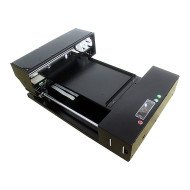
Having a high-quality UV printer that integrates easily is crucial. If you"re interested, check out the spot UV printing machine with glossy UV coating. It"s known for its reliable performance and compatibility with various digital design tools, making it a favorite among professionals looking to upgrade their workflows.
FAQs for Creative Production Workflow Optimization
- Can I use my existing digital design software with a UV printer? Yes, most UV printers support common design applications like Adobe Creative Suite, CorelDRAW, and others through direct connection or file export options.
- What materials can I print on with UV technology? Virtually any surface—wood, glass, metal, plastic, and even ceramics—can be used to produce durable, vibrant prints.
- Is it difficult to set up the integration? Modern UV printers come with user-friendly software and setup guides. Some technical knowledge helps, but many companies offer support and tutorials.
- Does this integration increase operational costs? While there may be upfront investment, the efficiency gains and reduced rework typically offset costs quickly.
- How does UV printing compare to traditional methods? UV printing offers faster, more durable, and highly detailed results, with the added benefit of direct-to-material printing without secondary coating or finishing processes.















Leave a Comment