
What Today’s Consumers Notice Most in T-SHIRT PRINTER Output Quality
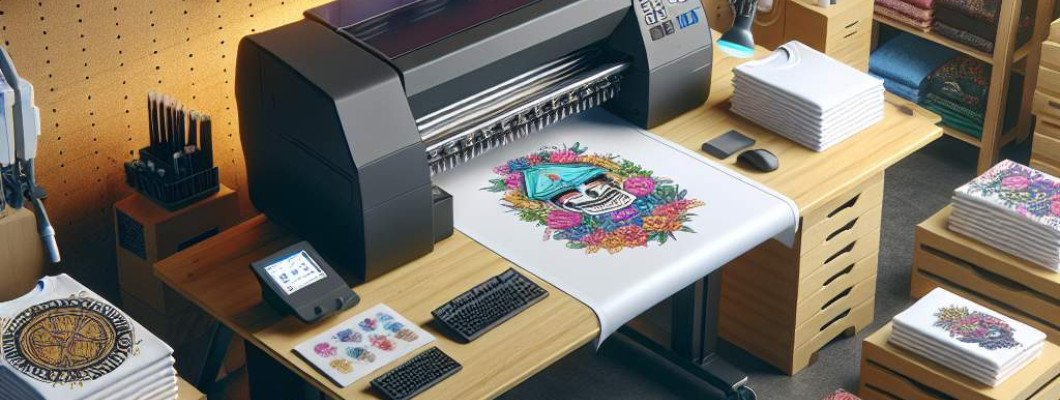
Are You Struggling to Recognize What Customers Really Notice in T-Shirt Printing?
If you've ever wondered why some T-shirt designs sell effortlessly while others sit on shelves, you're not alone. The secret often lies in the quality of the print. Today"s consumers are more discerning than ever and notice the tiniest details that make or break their perception of your product. When it comes to T-shirt printers, output quality isn't just about the artwork—it's about the entire finish and durability. So, what exactly do consumers notice most? Let"s dive into the key factors that influence their buying decisions.
Why Output Quality Matters More Than Ever
In a competitive market, your T-shirt print quality acts as a silent ambassador for your brand. Consumers are quick to spot issues like faded colors or uneven prints. A good quality print shows you care about your product, which encourages trust and loyalty. Think of it like chatting with a friend who always shows up well-dressed—attention to detail matters. If you want customers to pick your T-shirts over competitors, understanding what impacts their perception is crucial.
Main Factors Consumers Notice in T-Shirt Print Quality
1. Clarity and Sharpness of the Design
This is the single most noticeable aspect. Blurry or pixelated images scream low quality. When a print is crisp and clear, it signals professionalism. Consumers expect vibrant colors and sharp edges, especially with complex designs. A blurred outline or smudged ink immediately diminishes perceived value. To achieve this:
- Use high-resolution artwork
- Choose the right print technology
- Ensure proper calibration of your printer
For example, I once spoke to a friend who bought a custom shirt. The design was so clear and vivid that she immediately shared it on social media. That"s the kind of impact **output clarity** can create.
2. Color Vibrancy and Accuracy
Colors are the first thing people notice. Dull or off-tone colors can make a T-shirt look cheap. Consumers prefer bright, vibrant prints that match the art or brand branding perfectly. Color accuracy depends on your printer's capability and the quality of inks you use. To get the colors right:
- Calibrate your printer regularly
- Use high-quality, color-rich inks like those compatible with the A3 DTG printer
- Test print before production runs
In one case, a client upgraded her printer and saw her customer satisfaction jump because her shirts looked more vibrant and true to the original design. It turns out that color quality is everything.
3. Durability and Wear Resistance
Consumers don"t just care about how the print looks today—they want it to last. When a print cracks, flakes, or fades after a few washes, it leaves a negative impression. Durable prints build trust and encourage repeat sales. You can improve durability by:
- Choosing the best inks for fabric longevity
- Using proper curing or heat setting methods
- Applying protective layers if necessary
I once helped a local brand test their shirts after a wash test. Shirts printed with quality inks remained vibrant after fifty washes—something that gained them loyal clients. Durability directly aligns with perceived value.
4. Consistency Across Batches
Nothing frustrates consumers more than inconsistency. If one shirt has a vivid, sharp print, and the next looks dull or blurred, it undermines your credibility. Consistent output reassures customers that they can rely on your quality repeatedly. Achieving this involves:
- Standardizing your printing process
- Maintaining your printer regularly
- Using quality control checks
Imagine a friend ordering multiple shirts for a team event—if they're all uniform and flawless, they"ll trust you more for future orders. Consistency wins loyalty.
What Can You Do to Improve Your T-Shirt Output Quality?
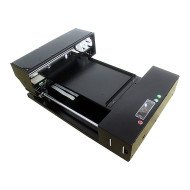
If you want your T-shirts to stand out based on output quality, focus on upgrading your equipment and refining your process. For example, investing in a top-tier A3 DTG printer can significantly enhance clarity, color vibrancy, and durability. It provides high-resolution printing and excellent consistency—perfect for demanding customers.
Beyond equipment, train your team on proper calibration, color management, and curing techniques. Remember, even the best printer can't perform well without proper setup. You might start by testing sample shirts, evaluating feedback, and making incremental improvements. Over time, these small steps add up to superior product quality and happier customers.
FAQs About T-Shirt Print Quality
- How can I ensure my T-shirt prints stay vibrant after multiple washes?
- What is the best printing technology for vibrant, durable T-shirts?
- How do I fix blurry or pixelated prints?
- What are the common mistakes that hurt print quality?
- Can I improve the quality of my current printer?
Use high-quality inks suited for fabric, follow proper curing procedures, and test the print for durability.
Direct-to-garment (DTG) printing, especially with models like the A3 DTG printer, offers excellent color vibrancy and detail.
Ensure your artwork is high resolution, and calibrate your printer properly to reproduce sharp images.
Using low-quality inks, neglecting proper calibration, and rushing the curing process can all drag down output quality.
Yes, regular calibration, keeping the printer clean, and switching to better inks can make a noticeable difference.














Leave a Comment