
What Print Shops Get Wrong When Choosing a UV Printer
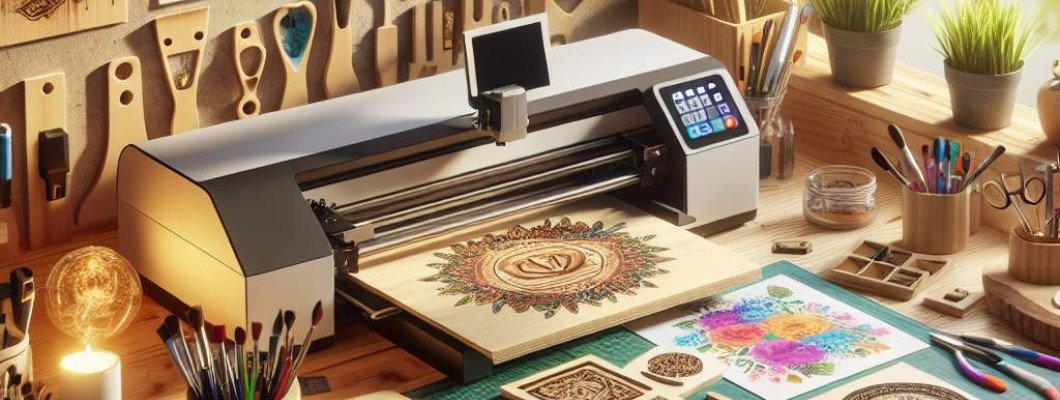
Struggling to Choose the Right UV Printer for Your Print Shop?
If you're in the market for a UV printer, chances are you're feeling overwhelmed. There"s so much info out there—different brands, specs, price points—and it"s tough to know what really matters. I"ve seen many print shop owners make costly mistakes because they overlooked key factors. Choosing the wrong UV printer can lead to wasted money, poor quality output, and lost clients. So, how do you avoid this? Let"s dive into what print shops often get wrong when picking a UV printer—and how to make smarter decisions.
Common Mistakes Print Shops Make When Choosing a UV Printer
1. Focusing Only on Price, Not Quality or Features
It"s tempting to go for the cheapest option, especially if you"re just starting out. But this often backfires. Cheap UV printers might seem like a good deal initially, but they usually come with compromises—less durability, lower resolution, slower speeds, or limited media compatibility. Remember, a printer is an investment in your business"s future. A slightly higher upfront cost can save you from headaches down the line and produce better-quality outputs that keep your clients happy.
2. Ignoring Compatibility with Your Workflow
Many print shops overlook whether a UV printer integrates well with their existing setup. For example, some models require specific software or connection types. If you don"t check compatibility beforehand, you might face a steep learning curve or have to overhaul your workflow. It"s crucial to choose a printer that plays nicely with your design software, finishing equipment, and post-processing tools. Doing this saves time and avoids bottlenecks during busy periods.
3. Overlooking the Importance of Resolution and Print Speed
Not all UV printers are created equal in terms of quality and speed. If you"re serving clients demanding high-detail work—like photo-quality products—you need a printer with high resolution (at least 1440 dpi). Conversely, if speed is more important for bulk jobs, look for models that balance speed and maintenance. Don"t assume that a faster printer always offers the best quality. Assess your project needs carefully before making a choice.
4. Underestimating Maintenance and Operating Costs
A UV printer isn"t a 'set-and-forget' machine. Ongoing maintenance, ink, lamps, and consumables add up. Some owners focus solely on the purchase price and forget about these hidden costs. For instance, UV lamps have a limited lifespan and can be expensive to replace. Not planning for maintenance costs can lead to unexpected expenses and downtime. A wise shop owner considers total cost of ownership, not just initial investment.
5. Not Visiting the Manufacturer or Dealer in Person
Many buyers rely solely on online reviews or brochures. But nothing replaces seeing a machine in action. Visiting the manufacturer or dealer allows you to test the printer, ask questions, and assess build quality. Chatting with a technician can reveal potential issues or needed upgrades. Plus, it provides confidence that you're choosing a reliable partner rather than a risky gamble.
How to Choose the Right UV Printer for Your Business
Assess Your Production Needs
- Expected Volume: Will you handle large batches or small custom jobs?
- Product Types: Do you mainly print on plastic, glass, metal, or other materials?
- Detail Level: Need high-resolution images or simple logo printing?
Matching the printer"s capabilities with your workload ensures you don"t overspend or fall short of customer expectations.
Check Technical Specs Carefully
Key specs to focus on include:
- Print resolution: For crisp images, aim for at least 1440 dpi.
- Max media size and thickness: Ensure it can handle your typical projects.
- Ink compatibility: Use UV-curable inks suitable for your substrates.
- Speed: Balance needed speed with quality based on your volume.
Don"t get blinded by bells and whistles; focus on specifications that support your needs.
Consider Customer Support and Warranty
A machine is only as good as the support you get. Opt for vendors that offer solid after-sales service, quick repairs, and training. A comprehensive warranty protects you from unexpected breakdowns, saving time and money. Do your research—read reviews and ask for references. Good support is invaluable when issues arise.
Evaluate Total Cost of Ownership
Remember, the initial price isn"t the full story. Consider:
- Inks and consumables: How much will replacements cost?
- Lamp life and replacements: Lamps can be pricey but are vital for print quality.
- Maintenance overhead: Regular tune-ups and part replacements.
Choosing a machine with a reasonable running cost can make your business more profitable overall.
Test Before You Buy
If possible, ask to see the printer in action. Request samples from the showroom or during a demo. This practical test can reveal a lot about print quality, ease of use, and overall performance. Trust me—that hands-on experience minimizes surprises after you take it to your shop.
Myths About UV Printers—and Why They Matter
Myth 1: All UV printers are the same
False. There"s significant variation in build, technology, and outcomes. Picking the wrong one can waste thousands.
Myth 2: Higher speed equals better quality
Not always. Faster machines may compromise details and color accuracy. Balance your needs.
Myth 3: Maintenance is optional
Don"t fall for this. Skipping regular upkeep leads to downtime and costly repairs.
Boost Your Print Shop"s Success with the Right UV Printer
Choosing the right UV printer isn"t just about getting a machine that works. It"s about selecting a partner that integrates seamlessly with your business, produces top-quality outputs, and offers ongoing support. Take your time, do your homework, and don"t compromise on what matters most: reliability, quality, and cost-effectiveness.
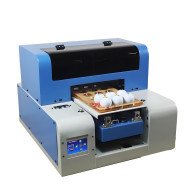
Thinking about a reliable UV printer? Check out this product that ticks all boxes: Spot UV Printing Machine - Glossy UV Coating Printer.
FAQs
Q1: How long does a UV lamp last?
Generally, UV lamps last between 1,000 to 3,000 hours depending on usage and quality. Regularly replacing lamps ensures consistent print quality.
Q2: Can UV printers print on any material?
Most UV printers can handle a variety of substrates, including plastic, glass, metal, wood, and more. Check the media compatibility specs before purchasing.
Q3: Are UV printers easy to operate?
Modern UV printers are designed with user-friendly interfaces. However, some training might be necessary to optimize settings and maintain the machine properly.
Q4: What"s the typical maintenance routine?
Regular cleaning of print heads, checking lamp alignment, and updating software are standard routines. Follow manufacturer guidelines for best results.
Q5: Is a warranty worth it?
Absolutely. A warranty covers repairs and replacements, reducing unexpected expenses and downtime. It"s a smart investment, especially for high-end models.













Leave a Comment