
The Ultimate 2026 UV Printer Buying Checklist: 8 Key Factors You Must Consider (Don't Buy Until You Read This)
Are You Struggling to Find the Right UV Printer in 2026?
Honestly, I"ve been there myself. With so many models flooding the market, how do you know which UV printer is the real deal? It"s tough, right? But if you"re serious about making the right purchase, you need a clear checklist. Today, I"ll walk you through the 8 key factors you should consider before investing in a UV printer. You"ll learn what truly matters and what can wait until later, saving you from costly mistakes.
Understanding Your Printing Needs
What Will You Be Printing?
This is the first question you need to answer. Are you printing small labels or large signage? Will you print on flat surfaces, curved objects, or both? The type of products you plan to produce defines what kind of UV printer you need.
For example, if you"re targeting high-quality custom crafts, a printer with precise resolution and fine detail capabilities is essential. On the other hand, for industrial applications, speed and durability might be more critical.
Factor #1: Print Quality and Resolution
When it comes to UV printing, **resolution matters more than you think**. A higher DPI (dots per inch) usually means sharper images with finer details. But don"t just look at numbers—request sample prints and see the quality in real life.
Look for features like:
- High-resolution output (at least 1440x720 DPI for most applications)
- Consistent color accuracy
- Ability to print on different materials without loss of quality
Quality can be the difference between happy customers and returns—so choose wisely.
Factor #2: Printing Speed and Throughput
Time is money. If you"re running a busy shop, your printer should keep pace with your workflow.
Consider:
- Maximum print speed (measured in square meters per hour)
- Number of print heads—more heads can speed up production
- Automation features that reduce manual work
Ask yourself: Will this machine keep up as your order volume grows? Investing in a slightly faster model now can save headaches later.
Factor #3: Material Compatibility
This is a biggie. Not every UV printer can handle every material. Whether you"re printing on glass, plastic, wood, metal, or certain fabrics, your printer must be compatible.
Check:
- Maximum and minimum substrate thickness
- Ability to print on curved surfaces or irregular shapes
- Special features like multi-material printing or multi-layer capability
If you want versatility, look for a machine that covers a broad range of materials—this can open many more doors for your business.
Factor #4: Ink Types and Durability
Ink quality directly impacts the final product. UV inks come in various formulas—some are glossy, matte, or textured. Your choice depends on the aesthetic you want and where the product will be used.
Key tips:
- Opt for inks with high adhesion and scratch resistance
- Check for environmental compliance and eco-friendliness
- Consider long-lasting inks if outdoor use is planned
Getting the right ink combination means better finishes and fewer reprints.
Factor #5: Software Compatibility and Ease of Use
Your UV printer should be easy to operate, especially if you"re planning to ramp up production.
Look for:
- Intuitive software interfaces
- Compatibility with popular design programs (e.g., Adobe Illustrator, CorelDRAW)
- Automatic color management and job queuing features
If the software is clunky or non-intuitive, it slows you down and increases errors. Don"t settle for less; your operator"s experience matters.
Factor #6: Maintenance and Support
Every machine needs upkeep. Consider how easy it is to maintain your UV printer:
- Are replacement parts readily available?
- Does the manufacturer offer training and technical support?
- What"s the average downtime for cleaning or repairs?
A well-supported machine reduces downtime and keeps your business running smoothly.
Factor #7: Cost, ROI, and Total Investment
This one"s often overlooked. The initial price is just one part of the picture. Consider:
- Long-term operational costs (ink, maintenance, parts)
- Expected lifespan of the machine
- Potential revenue increase from higher-quality output
Sometimes, investing a bit more upfront pays off with higher efficiency and better results. Look beyond the sticker price.
Factor #8: Futureproofing and Upgrades
Technology evolves fast. Your ideal UV printer should have room for upgrades:
- Expanding to larger workspace sizes
- Adding new ink options or print features
- Compatibility with upcoming software updates
Choosing a future-ready machine ensures your investment remains valuable for years.
Exploring the Market: Why I Recommend This Printer
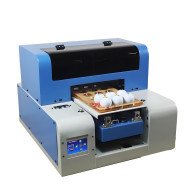
If you"re browsing for a reliable UV printer that ticks all these boxes, check out this [Glossy UV Coating Printer](https://www.gnfei.com/products/spot-uv-printing-machine-glossy-uv-coating-printer.html). It offers robust features, excellent print quality, and great support—perfect for both startups and established businesses.
Final Thoughts
Picking the right UV printer in 2026 isn"t about chasing the lowest price. It"s about weighing the factors that impact your business day to day. Think long-term. Be clear about your needs. And don"t compromise on quality or support. With this checklist, you"re well on your way to making an informed, smart investment.
Frequently Asked Questions (FAQs)
1. How much should I expect to spend on a good UV printer?
Prices vary widely—from around $10,000 for entry-level models to over $100,000 for industrial-grade machines. Focus on features that match your needs rather than just cost.
2. How long does a UV printer typically last?
With proper maintenance, many UV printers can last 5-10 years. Investing in quality and support extends the lifespan and keeps your output consistent.
3. Can I use a UV printer on curved surfaces?
Yes, but only certain models with adjustable print heads and suitable software. Always check the material compatibility before starting a project.
4. Is UV printing eco-friendly?
Many UV inks are designed to be environmentally friendly, but it depends on the brand. Look for low-VOC, biodegradable options to reduce environmental impact.
5. What"s the best way to maintain my UV printer?
Follow the manufacturer"s cleaning schedule, keep the ink system sealed, and perform routine checks. Proper maintenance prevents costly breakdowns.













Leave a Comment