Lifecycle Maintenance Costs Challenge High-Precision Cake and Pizza Edible Food Printers
The Industrial Reality of Edible Food Printers in High-Precision Operations
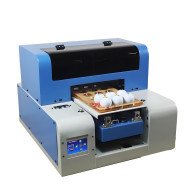
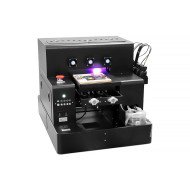
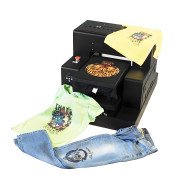
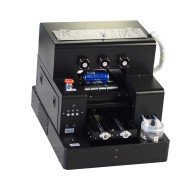
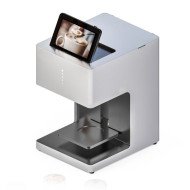
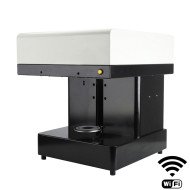
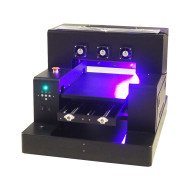
Industrial-scale edible food printers such as cake printers and pizza printers represent a significant leap from conventional kitchen appliances, embedding advanced mechanical and electronic subsystems optimized for food-safe, high-resolution output. These devices operate at the intersection of precision printing technology and food-grade compliance, demanding rigorous lifecycle maintenance management to sustain performance and safety. The critical challenge lies in maintaining print fidelity and hygiene standards while minimizing downtime within commercial and artisanal environments.
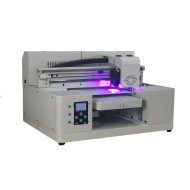
Consider a commercial bakery deploying a cake printer capable of micron-level resolution for intricate designs on fondant surfaces. The printheads utilize specialized, food-grade edible inks with highly specific rheological properties influencing nozzle wear rates and clogging frequency. Printer modules face continuous thermal cycling as thermal management balances printhead temperature to prevent ink coagulation yet avoid overheating delicate electronic components. Such conditions exacerbate component attrition, especially in microvalve assemblies and piezoelectric elements integral to droplet ejection. Absence of comprehensive maintenance protocols can lead to irreversible print quality degradation or sanitary risks, which are unacceptable in foodservice contexts.
Simultaneously, pizza printers integrating dough deposition and sauce layering introduce heterogeneous material challenges where substrate variability affects print accuracy and nutrient-safe device longevity. Real-world operational bottlenecks emerge from the complex interplay of mechanical wear, ink stability, and environmental exposure to fluctuating humidity and temperature in food prep areas. Unlike traditional printers, edible food printers must endure stringent cleaning cycles using food-safe agents without compromising sensor calibration or microfluidic pathways.
Technical Deep-Dive into Lifecycle Maintenance Challenges
Printhead Wear Mechanisms and Their Impact on Precision
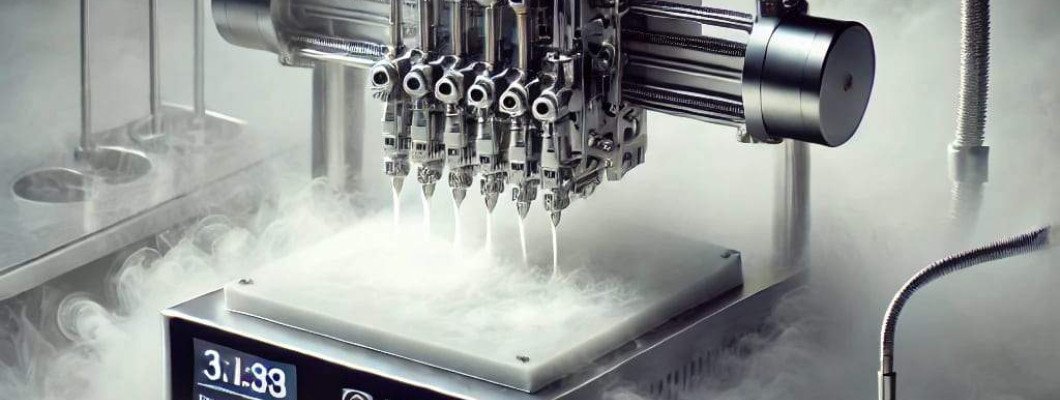
Printheads in edible food printers typically employ piezoelectric or thermal inkjet technologies adapted for variable fluid viscosities ranging from 5cP to 20cP. Prolonged use induces mechanical fatigue in piezoelectric crystals and nozzle plate erosion from abrasive microparticles in inks. A theoretical model estimates nozzle diameter shrinkage after 1000 operational hours as Δd = k × t^{0.7}, where k depends on ink abrasiveness and t is time in hours, directly impacting droplet volume (picoliters) and positional accuracy (micrometers).
Thermal Management and Ink Stability Interdependencies
Maintaining ink viscosity is pivotal; temperature fluctuations beyond ±5°C of the optimal 22°C induce viscosity changes up to 12%, destabilizing droplet formation. Thermal control modules consume an average of 60-80 Watts per printhead, necessitating active cooling strategies integrated with device firmware to prevent print artifacts. Mismanagement accelerates ink polymerization in nozzles, increasing maintenance frequency.
Cleaning Protocols and Material Compatibility Constraints
Effective cleaning mandates alternating solvent rinses with sterile water sprays, balancing microbial control while preserving delicate sensor elements. Material compatibility tables highlight polymers used in tubing—such as PTFE and silicone—against common food-safe solvents, with degradation onset mapped against exposure time. For example, silicone tubing shows a 5% tensile strength reduction after 50 cleaning cycles with ethanol-based solvents, necessitating scheduled replacements.
Sensor Calibration Drift and Diagnostic Algorithms
Embedded sensors for droplet size and placement rely on optical and piezoelectric feedback, which suffer calibration drift from mechanical stress and residue buildup. Advanced diagnostic algorithms incorporating statistical process controls can detect early-stage deviations, triggering preventive maintenance alerts before print quality deteriorates below industrial thresholds (>98% dimensional accuracy).
Comparative Analysis of Maintenance Regimes on Cost and Reliability
| Maintenance Regime | Downtime per Month (hrs) | Material Costs per Month (USD) | Mean Time Between Failures (MTBF, hrs) | Operational Print Accuracy (%) |
|---|---|---|---|---|
| Reactive Maintenance | 15 | 200 | 500 | 89 |
| Proactive Scheduled Maintenance | 6 | 350 | 1200 | 98 |
Scenario Analysis of Business Use-Cases and Specification Impact
High-Volume Cake Customization Facility
In mass customization environments producing 100+ custom cakes daily, scheduled maintenance regimes that address printhead wear and thermal stability reduce unplanned downtime by 60%. The precision retention at 98% print accuracy enables complex designs requiring micron-level color layering, directly affecting customer satisfaction and throughput.
Artisan Pizzeria Employing Pizza Printers for Consistent Sauce Application
For pizzerias integrating dough printing with sauce layering, substrate variability impacts nozzle clogging rates, necessitating more frequent cleaning cycles. Adjusting maintenance schedules based on sensor feedback optimizes uptime, reducing failures by 40%, while ensuring nutritional integrity and consistent product taste.
Specialty Food Lab Experimenting with Novel Edible Inks
Research labs testing novel edible ink formulations experience accelerated printhead attrition due to unknown abrasiveness and thermal properties. Implementing enhanced monitoring and adaptive maintenance algorithms mitigates risk, preserving sensor accuracy and avoiding contamination, albeit at higher operational costs.
Expert FAQ on Edible Food Printer Lifecycle Maintenance
What are the primary mechanical failure points in edible food printers? Nozzle plate erosion and piezoelectric actuator fatigue constitute the main mechanical failure points, often exacerbated by ink particulate content and thermal cycling.
How does ink rheology affect maintenance frequency? Ink viscosity and particle size distribution directly influence clogging propensity and wear, requiring tailored cleaning protocols and more frequent printhead servicing for high-viscosity or particulate-rich inks.
Can sensor calibration adjustments extend maintenance intervals? Yes, dynamic recalibration using embedded diagnostics delays sensor drift impacts, allowing longer continuous operation without compromising print accuracy.
What cleaning solvents are safe for edible printer components? Ethanol-based and sterile water solutions are common, but material compatibility tests are essential to avoid polymer degradation, especially on tubing and seals.
How do environmental factors influence lifecycle costs? Ambient humidity and temperature variations accelerate component wear and require more frequent maintenance cycles, directly increasing operational expenditures.
Strategic Verdict on High-Precision Edible Food Printer Sustainability
The trajectory of edible food printers, particularly cake and pizza types, hinges on optimizing lifecycle maintenance to balance precision, hygiene, and cost. Technological advancements in sensor-based diagnostics and adaptive thermal controls will marginally extend mean time between failures but will shift the cost equation toward proactive maintenance strategies. As substrate and ink diversity expand, modular designs facilitating rapid component swaps and enhanced material resilience will become indispensable. Consequently, sustainability in this sector will depend less on raw hardware innovation and more on integrative maintenance frameworks capable of real-time performance adaptation within food safety constraints.