
Personalized product trends accelerating as UV DTF printer enables flexible transfers on complex objects
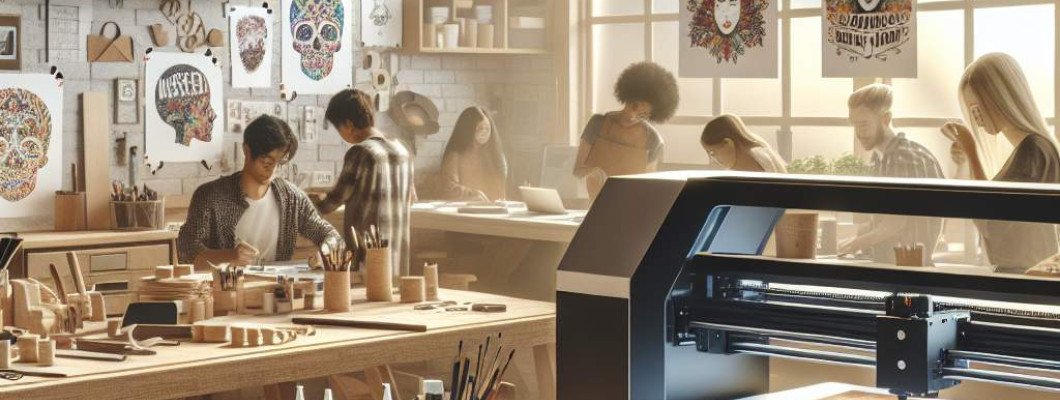
Are you struggling to keep up with the rapid growth of personalized products in the market? Do you find it challenging to produce high-quality, custom transfers on complex or irregular objects? You're not alone. The demand for personalized items—from custom phone cases to unique home decor—is skyrocketing, pushing manufacturers to find innovative solutions. Fortunately, the emergence of UV DTF printers is transforming how businesses deliver these custom products, making flexible transfers on complex objects more accessible than ever.
Imagine chatting with a good friend who runs a small printing business. They"ve been overwhelmed trying to meet orders for personalized gifts that involve uneven surfaces or intricate designs. Then they discover how a UV DTF printer changed their approach. Now, they produce detailed transfers on irregular objects like mugs, phone cases, and even jewelry with ease and high quality. This story illustrates the profound impact that ultraviolet direct-to-film (UV DTF) technology is having on the manufacturing and customization industry.
Understanding UV DTF Printing and Its Role in Personalization
UV DTF printing combines the advantages of UV-curable inks with direct-to-film (DTF) technologies. Unlike traditional screen printing or heat transfer methods, UV DTF offers instant curing, vivid colors, and compatibility with complex surfaces. The key feature of this technology is the ability to print high-resolution images directly onto a special PET film, which then transfers seamlessly onto various objects—regardless of shape or texture.
Many businesses previously relied on rigid printing options that couldn"t adapt to irregular shapes, nor offer the precise detail required for intricate designs. UV DTF printers overcome these limitations by allowing users to produce transfers with sharp images and durable adhesion on a wide range of materials such as plastics, glass, metals, and textiles.
Flexibility and Speed: The Game Changers
- Flexible Transfers for Complex Geometries: UV DTF excels at printing detailed, full-color images that conform to curved or uneven surfaces, enabling the customization of unconventional objects like helmets, shoes, or even automotive parts.
- Faster Turnaround Times: The instant UV curing process minimizes waiting, allowing for rapid production runs and quick order fulfillment—crucial for businesses aiming to keep pace with market demand.
- Cost-Effective Production: Reducing the need for multiple setup steps and waste, UV DTF streamlines workflows, translating into lower costs per item.
Picture a scenario where a retailer wants to launch a new line of personalized giftware. With traditional methods, creating prototypes and small batches could take days. Using a UV DTF printer, they can produce multiple high-quality, custom items within hours, even on complex surfaces. This agility is why many companies are embracing UV DTF for their product expansion strategies.
How the UV DTF Printing Process Works
- Design Preparation: Create or modify your artwork digitally, ensuring it is optimized for printing resolution and color accuracy.
- Printing onto Film: Using the UV DTF printer, print the design directly onto a special PET film with UV-curable inks that produce vibrant, durable images.
- UV Curing of the Print: The printer"s UV lamp instantly cures the ink, making it ready for transfer without waiting for drying time.
- Application to Object: Apply the printed film onto your chosen object with an adhesive powder or resin. Use a heat press or curing station to transfer the design onto the item, conforming perfectly—even on complex shapes.
This streamlined process minimizes production steps and enhances the quality of transfers, providing a highly customizable, flexible solution for diverse product lines.
Why Business Owners are Choosing UV DTF for Customization
- High Resolution & Vivid Colors: Ensures your designs look sharp and attractive, commanding consumer attention.
- Compatibility with Various Materials: Print on plastics, glass, ceramics, textiles, and even metal surfaces.
- Durability & Washability: The cured inks resist scratching, fading, and washing, making them ideal for everyday use items.
- Support for Small and Large Batches: Whether you"re producing one piece or thousands, UV DTF offers flexibility with scale.
For example, a startup creating personalized phone cases found that investing in a UV DTF setup allowed them to expand their product portfolio without hefty tooling costs or complex setup times. They now produce a wide range of designs with intricate detailing, all on various case models, with minimal delay.
The Future of Personalized Products with UV DTF
As consumer demand for unique, custom items grows, UV DTF technology is poised to become a mainstay for businesses committed to innovation. Its ability to transfer high-quality images onto complex objects will push the boundaries of what is possible in personalization. From promotional items to high-end art pieces, UV DTF gives manufacturers the tools to stand out in a crowded market.
Adopting UV DTF is not just about keeping up; it"s about leading the way in customization and quality. Companies that embrace this technology will find themselves with a significant competitive edge, offering more diverse, durable, and visually stunning products to customers worldwide.
Discover the UV Coating & Printing CapabilitiesFrequently Asked Questions (FAQs)
Q1: Can UV DTF printing be used on any material?
A1: While UV DTF is highly versatile, it works best on non-porous surfaces like plastics, glass, metal, and certain textiles. Porous materials may require different pre-treatment for optimal adhesion.
Q2: How durable are UV DTF transfers?
A2: Transfers produced with UV DTF are highly resistant to scratches, fading, and washing, making them ideal for items like clothing, accessories, and promotional products.
Q3: Is UV DTF printing suitable for small batch production?
A3: Absolutely. One of the key advantages is its flexibility, allowing for high-quality, cost-effective small batch or even single-piece production.
Q4: What are the main factors to consider when choosing a UV DTF printer?
A4: Focus on resolution, curing speed, compatibility with different materials, and ease of operation. It"s also wise to consider after-sales support and availability of consumables.
Q5: How does UV DTF compare to traditional sublimation or heat transfer methods?
A5: UV DTF offers superior color vibrancy, better adhesion on complex and non-porous surfaces, faster curing times, and higher durability—making it a more adaptable solution for diverse customization needs.














Leave a Comment