
Creator-led clothing brands reshaping supply chains with DTG Printer powered micro-production

Are you struggling to keep up with fast-changing fashion trends or trying to stand out in a crowded marketplace? If so, you"re not alone. Many creator-led clothing brands are now rethinking traditional supply chains and turning to innovative solutions like DTG (Direct-to-Garment) printers for micro-production. This shift is not just about keeping pace; it"s about redefining how clothing is designed, manufactured, and delivered in today"s dynamic environment.
Imagine chatting with a fellow designer who just launched a small collection and wants everything to be perfect without massive upfront orders. They tell you how switching to DTG-powered micro-production has revolutionized their business—reducing waste, cutting costs, and enabling on-demand manufacturing. This isn"t a dream; it"s a new reality for many creator-led brands that prioritize sustainability and agility.
How Creator-led Brands Are Shaping the Future of Fashion Supply Chains
Traditional fashion supply chains are often bulky, slow, and inflexible. Mass production means bulk orders, long lead times, and significant waste if the designs don"t sell. For small brands or individual creators, this setup is impractical and financially risky. Today"s creator-led brands are adopting **micro-production models powered by DTG printers**, which enable them to produce customized garments efficiently and sustainably.
What Is Micro-Production and How Does It Work?
Micro-production refers to manufacturing small quantities of garments tailored to customer demand. Unlike traditional methods, which focus on large runs, micro-production emphasizes **flexibility, speed, and minimal waste**. When combined with **DTG technology**, creators can produce high-quality, full-color prints directly onto garments in a matter of minutes.
- On-Demand Manufacturing: Only produce what customers order, reducing inventory costs.
- Rapid Turnaround: Bring designs to market faster—sometimes within days.
- Customization: Offer personalized options, boosting customer engagement.
- Sustainability: Lower waste and reduce environmental impact by only producing what is needed.
The Power of DTG Printers in Micro-Production
DTG printers are game-changers for small-scale, creator-led brands. They allow for **detailed, vibrant prints directly onto fabric** with minimal setup and waste. Unlike screen printing or heat transfer methods, DTG offers **greater design complexity, faster production times**, and easier changes to designs.
- **High-Resolution Printing:** Capture intricate artwork with sharp details and vibrant colors.
- **Cost-Effective for Small Batches:** Lower initial costs compared to traditional printing methods.
- **Eco-Friendly:** Uses water-based inks that are safer for the environment.
- **Ease of Use:** Simplifies the design-to-production process, making it accessible to creators without specialized technical skills.
Transforming Supply Chains with Micro-Production
By integrating DTG printers into their workflows, creator-led brands are revolutionizing how they operate. Benefits include:
- Reduced Lead Times: From design to delivery in days, not weeks.
- Lower Inventory Risks: Avoid excess stock and markdowns.
- Increased Flexibility: Quickly adapt to trends, customer feedback, or niche markets.
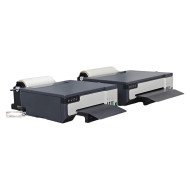
- Decentralized Production: Set up multiple micro-factories closer to target markets, reducing shipping costs and times.
This model aligns perfectly with the ethos of creator-led brands committed to sustainability, immediacy, and customer intimacy. As a result, brands can go from concept to consumer faster, with minimal waste and maximum responsiveness.
Case Study: Small Brand Success with DTG Micro-Production
Take the example of "Urban Vibe," a small independent fashion startup. They used a compact DTG printer to start producing limited-edition streetwear collections. Because of micro-production, they could test new designs and drop limited runs without risking a backlog of unsold inventory. Their customers loved the exclusivity, and they could rapidly respond to feedback. This agility improved their cash flow and allowed continuous innovation—driving growth in a competitive market.
Choosing the Right DTG Printer
For brands considering this approach, investing in the right DTG printer is vital. Look for:
- **Compatibility with diverse fabrics** to broaden your product range.
- **High print quality** to meet consumer expectations for vibrant, durable designs.
- **Ease of maintenance and operation** to streamline production.
- **Support and training** from the supplier.
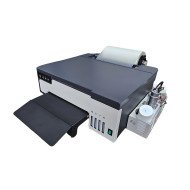
You can explore options at [this product page](https://www.gnfei.com/product/dtg-printer-dtf-printer), which offers reliable, top-tier DTG printers suitable for micro-production setups.
Future Trends for Creator-led Fashion and Micro-Production
As technology advances, expect even more innovations:
- AI-assisted design tools making customization easier.
- Sustainable inks and materials improving eco-friendliness.
- Decentralized manufacturing networks leveraging micro-factories globally.
- Integration with ecommerce platforms for seamless order fulfillment.
This evolution will empower creators worldwide to build brands rooted in flexibility, sustainability, and direct customer engagement. The combination of innovative micro-production and DTG technology is not just a trend but a fundamental shift in how fashion is made and marketed.
FAQs About Creator-led Clothing Brands and DTG Micro-Production
1. How affordable is setting up a micro-production line with a DTG printer?
Initial costs vary, but entry-level DTG printers are increasingly affordable for small brands. The savings from reduced inventory and waste often offset the investment quickly. Plus, many providers offer financing options.
2. Can DTG printing handle complex, multi-colored designs?
Yes. DTG printers are known for their ability to reproduce detailed, vibrant artworks with multiple colors directly onto garments, making them ideal for creative and niche brands.
3. How environmentally friendly is DTG printing compared to traditional methods?
DTG uses water-based, eco-friendly inks and creates minimal waste, making it a greener choice. Since you produce only what you sell, waste from unsold stock is significantly reduced.
4. What types of fabrics are compatible with DTG printers?
Most DTG printers work best on 100% cotton or cotton blends. Some advanced models are compatible with certain synthetic fabrics, but it's important to check the specifications.
5. How quickly can I start producing garments with a new DTG printer?
After installation and training, many brands start production within a few days. Turnaround time depends on complexity and order size but can be as quick as a few hours for small batches.
```













Leave a Comment