
Local garment factories upgrading flexibility through modern t-shirt printing machine adoption
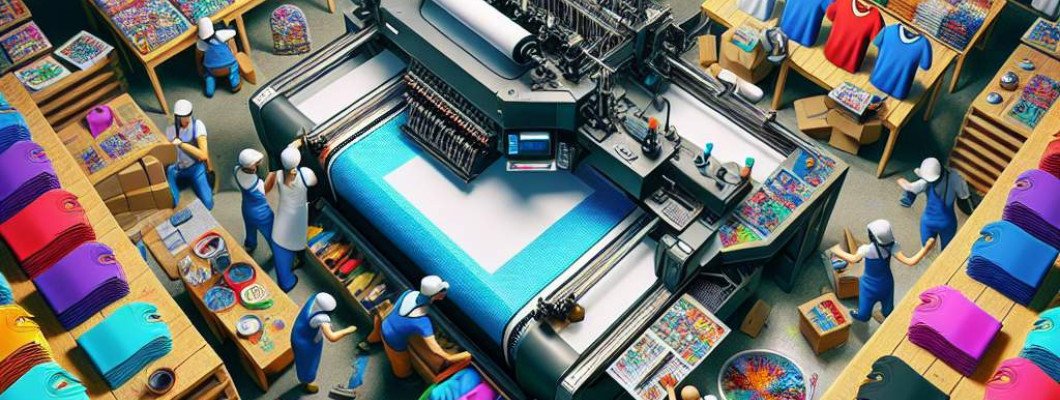
Are you struggling to keep up with the rapidly changing demands of the apparel industry? Do your current t-shirt printing processes limit your flexibility and responsiveness to customer needs? If so, you're not alone. Many local garment factories face similar challenges when it comes to scaling production while maintaining quality and speed. The good news is that upgrading to modern t-shirt printing machines can transform your manufacturing capabilities and position you ahead of your competitors.
Today, we"ll explore how local garment factories are boosting their operational flexibility through the adoption of advanced t-shirt printing technology. This shift is not only about staying competitive but also about unlocking new revenue streams and enabling customization at scale. Whether you're a factory owner, manager, or entrepreneur, understanding these innovations can help you make smarter investment decisions.
Why Modern T-Shirt Printing Machines Are a Game Changer
Traditional garment printing methods, like screen printing or heat transfer, often come with limitations — high setup costs, longer turnaround times, and restricted designs. Modern t-shirt printing machines, such as direct-to-garment (DTG) and digital transfer printers, address these issues head-on. They are designed to deliver high-quality prints quickly, efficiently, and with outstanding versatility.
Here are some key reasons why upgrading your machinery can be a game changer:
- Enhanced Flexibility: Easily switch between designs without extensive setup changes, ideal for small batches or customized orders.
- Faster Turnaround: Complete printing jobs in a fraction of the time compared to traditional methods.
- Cost Efficiency: Reduce labor costs and minimize waste with automated processes.
- High-Quality Output: Achieve vibrant, durable prints that satisfy even the most demanding customers.
- Scalability: Expand your product variety and order volume without major equipment changes.
How Modern Machinery Enables Greater Production Flexibility
Imagine a small local factory that previously relied on screen printing; switching to a modern DTG printer changed everything. They could now accept short runs, personalized designs, and even on-demand orders, directly meeting customer expectations. This shift allowed them to diversify their product offerings and grow their business without significant infrastructure investment.
Adopting new printing technology furnishes businesses with the ability to implement a variety of production strategies:
- On-Demand Printing: Produce items only when orders are received, reducing inventory risks.
- Mass Customization: Offer personalized designs to individual clients or for special events.
- Quick Prototyping: Test new design ideas rapidly before committing to large runs.
- Design Complexity: Print intricate patterns and high-resolution images that traditional methods can't achieve efficiently.
Case Study: Success Story of Local Garment Factories Upgrading
Take the example of a factory in Vietnam that integrated a state-of-the-art DTG t-shirt printing machine. Their previous process involved manual screen setup, which took hours and limited their flexibility. After the upgrade, they could print detailed graphics directly onto fabric in minutes, dramatically reducing lead times. As a result, they attracted more clients requiring short runs and custom orders, boosting their revenue by 30% within six months.
This example highlights the tangible benefits of modern printing technology. The key was investment in equipment that supported rapid changeovers, precise color matching, and consistent quality. Using such advanced machinery has given local factories an edge, enabling better service, faster delivery, and improved profitability.
Choosing the Right Modern T-Shirt Printing Machines
Investing in the right equipment is crucial. Not all machines are created equal, and selecting one suitable for your scale and needs will maximize your return on investment. Some factors to consider include:
- Capacity and Speed: Match your production volume to the machine"s throughput.
- Print Quality: Ensure high-resolution output with vibrant colors.
- Ease of Use: User-friendly interface reduces training time and errors.
- Cost of Consumables and Maintenance: Budget for ongoing expenses, not just the initial purchase.
- Versatility: Ability to print on various fabric types and sizes.
For many factories, choosing between direct-to-garment (DTG) printers or digital transfer machines depends on their specific workflow, product line, and customer demands. Many vendors now offer training and support to ensure smooth integration into existing operations.
Future Trends in T-Shirt Printing for Garment Factories
As technology continues to advance, expect even more innovations in the garment printing space:
- Eco-friendly Printing Technologies: Water-based inks and energy-efficient machines will become standard.
- Automation and AI Integration: Streamlining workflows, minimizing errors, and improving quality control.
- Expanded Color Gamut and Textures: Offering richer, more diverse textures to meet high-end fashion demands.
- Smart Clothing Printing: Printing functional elements like QR codes or embedded NFC tags for interactive apparel.
Final Words
If you are looking to boost your local garment factory"s adaptability and competitiveness, adopting modern t-shirt printing machines is a wise move. These advances offer immediate benefits — from faster turnaround times to the ability to fulfill custom orders easily. As the industry evolves, staying ahead with the latest technology will be critical in maintaining your market presence and expanding your business scope.
Interested in upgrading your equipment? Explore options like the high-quality DTG printers designed for small and medium-sized factories. Investing in advanced printing technology today will set the foundation for a more flexible, profitable, and innovative apparel manufacturing future.
Frequently Asked Questions
1. What is the minimum investment needed for modern t-shirt printing machines?
The cost varies widely based on machine capacity and features. Entry-level DTG printers typically start around $8,000 to $15,000, while larger, faster models can go beyond $50,000. Always consider your production scale and future growth plans.
2. How long does it take to learn to operate a new digital printing machine?
Most modern machines are designed for user-friendliness. Basic training can be completed within a few days, with ongoing support and tutorials available from suppliers to ensure smooth operation and maintenance.
3. Can these machines print on different fabric types?
Yes, high-quality DTG and digital transfer printers can print on a variety of fabrics such as cotton, polyester, and blends. Confirm your machine specifications to match your typical fabric usage.
4. What is the maintenance requirement for modern t-shirt printers?
Regular cleaning and calibration are essential to maintain print quality. Most machines have automated maintenance features, and suppliers offer service packages for troubleshooting and repairs.
5. Will upgrading technology affect my current orders and workflow?
Transitioning to new equipment may require an initial adjustment period, but most factories experience increased efficiency and flexibility once stabilized. It's advisable to plan training sessions and phased implementation.














Leave a Comment