
Cross-industry customization taking off as uv printer reshapes how brands print beyond paper
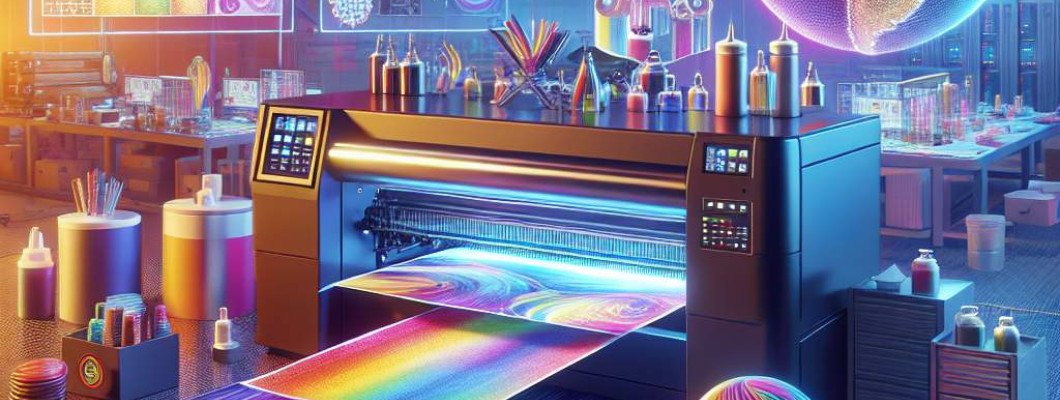
Are you wondering how brands are transforming their products and marketing strategies through innovative printing technologies? Do you want to understand how UV printers are revolutionizing customization across different industries? If so, you"re not alone. Companies worldwide are adopting cross-industry customization methods to stand out in competitive markets. At the heart of this shift is the powerful UV printing technology, a game-changer that allows brands to print beyond traditional paper and onto a vast array of surfaces.
Imagine chatting with a friend who owns a small business. She recently upgraded to a UV printer and now customizes everything from coffee mugs to electronic gadgets. Her product line has expanded, and her brand"s visual appeal has skyrocketed. She shared that UV printers have made her business more versatile, enabling her to create eye-catching, durable designs on materials like plastic, metal, glass, wood, and even leather. This example shows how UV printing is not just about printing—it's about unlocking new possibilities for brand identity and customer engagement.
What Is UV Printing and Why Is It Changing Industries?
UV printing is a digital printing process that uses ultraviolet light to cure inks instantly onto surfaces. This method offers several advantages over traditional printing:
- Versatility: Print on virtually any substrate—plastic, metal, glass, wood, and more.
- Durability: Produces scratch-resistant, fade-proof images suitable for outdoor and long-term use.
- High Detail: Capable of printing intricate designs with fine details and vibrant colors.
- Speed: Offers fast turnaround while maintaining excellent quality.
These features make UV printing ideal for industries that require customized, durable, and high-quality branding solutions. Whether it"s personalized gifts, automotive parts, jewelry, or industrial components, UV printers are reshaping the way brands approach visual marketing.
Cross-Industry Applications of UV Printing
The flexibility of UV printers is leading to cross-industry adoption. Here"s how different sectors are leveraging this technology:
1. Advertising and Promotional Items
Custom printed promotional products such as pens, mugs, and keychains are commonplace now. UV printers enable companies to add complex branding details directly on promotional items, increasing their visual impact and shelf life.
2. Consumer Electronics and Gadgets
Brands customize smartphone cases, laptop covers, and wearable tech with vibrant, durable designs. This customization enhances product appeal and brand recognition.
3. Automotive Industry
UV printing is used for decorative car wraps, interior panels, and custom badges. Durable inks mean designs withstand weather and wear, making vehicle branding more effective and long-lasting.
4. Jewelry and Fashion
Jewelry manufacturers print detailed logos or patterns directly onto metals or resin materials. Fashion brands use UV printing to produce unique, limited-edition accessories and customized footwear.
5. Industrial and Medical Equipment
Product labels, serial numbers, and informational graphics are printed directly onto complex surfaces, reducing the need for stickers or decals that can peel or fade.
Benefits of Cross-Industry Customization with UV Printing
Adopting UV technology for customization offers several key benefits:
- Enhanced Brand Visibility: Custom, high-quality prints make products stand out in crowded markets.
- Rapid Turnaround: Quick printing processes enable faster product launches and updates.
- Cost-Effective Short Runs: No need for expensive molds or setup costs for small batches.
- Sustainability: UV inks are often eco-friendlier, with less VOC emissions and waste.
- Design Freedom: Complex graphics, effects, and textures are achievable without additional costs.
From bespoke jewelry to industrial parts, UV printers open new revenue streams and marketing avenues for brands eager to differentiate themselves.
Investing in a UV Printer: What You Need to Know
If you"re thinking about integrating UV printing into your business, consider these points:
- Surface Compatibility: Ensure the printer supports the materials you work with.
- Print Area: Match the printer"s bed size with your typical product dimensions.
- Ink Options: Look for non-toxic, environmentally friendly inks suitable for your applications.
- Operational Skills: Opt for user-friendly models or consider training to maximize output quality.
- Support and Service: Choose a supplier with reliable customer support and warranty options.
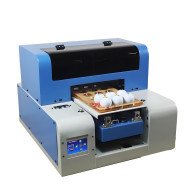
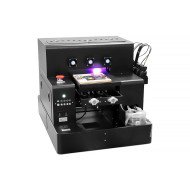
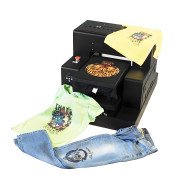
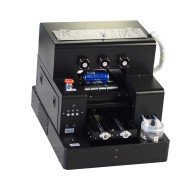
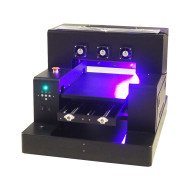
Leading brands like [GNFEI UV printers] offer robust solutions tailored for diverse industry needs, allowing brands to push the boundaries of what"s possible in printing and customization.
Future Trends in Cross-Industry Customization
The future is bright for UV printing as technology advances. Expect:
- Enhanced Inks: Eco-friendly, flexible, and textured inks for more creative finishes.
- Automation and AI: Smarter printing solutions for faster setup and higher precision.
- Integration with Other Technologies: Combining UV printing with augmented reality (AR) for interactive brand experiences.
- Broader Surface Range: Printing on flexible, curved, and multi-material surfaces for limitless possibilities.
This progress means brands can continually innovate, offering highly personalized products that captivate customers and build loyalty.
FAQs About Cross-Industry UV Printing
- Can UV printers print on curved surfaces? Yes, many UV printers are capable of printing on curved and textured surfaces, expanding creative possibilities.
- Is UV printing safe for all materials? Most common materials are compatible, but it"s essential to check specific printer and ink specifications for your substrate.
- How durable are UV prints? UV prints are highly resistant to scratches, fading, and environmental factors, suitable for outdoor use.
- Are UV printers expensive? The initial investment varies, but the high versatility, speed, and quality can lead to cost savings and new revenue streams.
- What industries benefit most from UV printing? Advertising, electronics, jewelry, automotive, and industrial sectors see the most benefit, but opportunities are expanding across many fields.
For businesses aiming to stand out with innovative, customized solutions, cross-industry adaptation of UV printing is a strategic move—and a smart investment for the future of brand personalization. Discover more about the latest UV printing options at GNFEI UV printers.



Leave a Comment