
The Eco-Conscious Print Shop: Why Water-Based DTG Inks are Non-Negotiable for Modern Brands
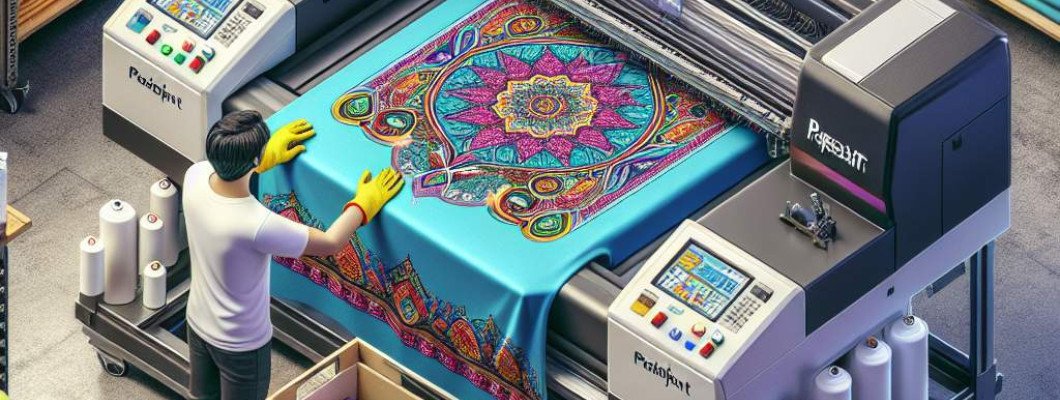
Struggling to stand out in eco-friendly printing? Wondering how your print shop can truly make a difference?
If you're serious about offering sustainable products and building a modern brand, choosing the right inks is key. Water-based DTG inks are more than just a trend—they"re a non-negotiable for any print shop aiming for eco-consciousness and quality. Let"s explore why these inks are essential and how they can elevate your business.
What Are Water-Based DTG Inks—and Why Do They Matter?
Understanding the Basics
Water-based direct-to-garment (DTG) inks are formulated with water as the primary carrier. Unlike traditional plastisol inks, which sit on the fabric surface, water-based inks penetrate the fibers, resulting in softer, more vibrant prints. They"re designed to be environmentally friendly, reducing harmful chemicals released into the environment.
The Environmental Impact
By switching to water-based inks, your print shop reduces the use of toxic solvents and PVC-based plastics. This means fewer pollutants, less hazardous waste, and a smaller carbon footprint. For customers, this translates into products that are not just stylish but also ethically made. Modern consumers increasingly seek brands that prioritize sustainability, making this switch a smart business move.
Why Modern Brands Can't Ignore Water-Based DTG Inks
Enhancing Brand Reputation
Sustainability is now a top priority for many brands. Using eco-friendly inks aligns your business with this mission. It shows you care about the environment and your clients" values. Plus, products printed with water-based inks often command higher prices due to their quality and eco appeal.
Superior Print Quality
Water-based inks deliver softer prints with vibrant colors that last longer. They"re perfect for high-detail designs, making your products stand out. Many customers prefer the feel of water-based prints—more like a part of the garment than a layer on top.
Compliance and Future-Proofing
Regulations around environmentally harmful chemicals are tightening. Switching to water-based inks ensures your shop stays ahead of legal issues and industry standards. It shields your business from potential fines and reputation damage.
How to Incorporate Water-Based Inks Into Your Shop
Choosing the Right Equipment
Most modern DTG printers, like the A3 DTG Printer, are compatible with water-based inks. Ensure your printer is optimized for these inks, with proper maintenance routines.
Training and Skill Development
Switching inks can require some adjustments. Train your team on proper ink handling, curing processes, and fabric compatibility. Remember, high-quality results depend on mastering the new ink workflow.
Testing and Quality Control
Start with small batches to assess color vibrancy, durability, and washability. Collect feedback and refine your process. Investing time here ensures long-term success and satisfied customers.
Real-World Success: From Plastic to Planet-Friendly
Imagine chatting with a fellow shop owner—let"s call her Lisa. She switched to water-based DTG inks six months ago. Her sales increased because eco-conscious brands loved her new sustainable offerings. Her shirts feel softer, colors are more vivid, and her clients appreciate her commitment to the environment. It"s made her brand stand out in a crowded market.
Frequently Asked Questions
Are water-based DTG inks more expensive than traditional inks?
Initially, they can be slightly more costly, but the benefits—like higher quality and eco-appeal—often justify the investment. Plus, increased demand for sustainable products helps offset these costs in the long run.
Will switching to water-based inks affect my current printer?
Most modern DTG printers support water-based inks without major modifications. It"s best to check with your equipment manufacturer or supplier to ensure compatibility.
How durable are water-based printed garments?
With proper curing, water-based inks produce prints that last wash after wash, comparable or superior to traditional inks. They also maintain their softness and vibrancy longer.
Can I print on a variety of fabrics with water-based inks?
Yes. They work well on cotton, blends, and other natural fibers. Some synthetic fabrics might need specific treatment or different inks, so test thoroughly before large runs.
What are the main challenges of switching to water-based inks?
The learning curve for print quality and curing can take some time. Consistent ink formulation and proper maintenance are essential. However, the long-term benefits outweigh the initial adjustment period.















Leave a Comment