
Innovations in DTG Printing: Key Trends to Watch in 2025

Struggling to stay ahead in DTG printing? Looking for the latest innovations that can give your business a real boost?
If you're involved in direct-to-garment (DTG) printing, you know the industry"s evolving fast. Every year, new tech, better processes, and smarter solutions come into play, making it easier to produce high-quality custom apparel at scale. But keeping up can feel overwhelming. That's why I want to share some of the biggest trends shaping DTG printing in 2025. These insights can help you make smarter choices, invest in the right tools, and stay competitive in this fast-moving market.
Understanding the Current Landscape of DTG Printing
Before diving into trends, let's reflect on where DTG printing stands today. It"s all about quality, speed, and customization. A few years ago, the technology was more limited. Now, printers produce vibrant, durable prints that rival traditional screen printing but with the flexibility of short runs. Companies that leverage innovation are finding new ways to reduce costs, increase turnaround times, and offer more complex designs.
Key Trends to Watch in DTG Printing for 2025
1. Advanced Ink Technologies
One of the biggest game-changers is the evolution of inks. Today, brands are shifting towards eco-friendly, water-based inks that are not only better for the environment but also produce sharper, more vibrant images. Expect to see innovations like **discharge inks**, which remove dye to create softer prints, and **metallic or specialty inks** for unique effects. These new formulations open up creative possibilities, helping custom apparel get noticed.
2. Increased Automation and AI Integration
Automation isn"t just for manufacturing anymore; it's coming into the DTG space. More printers are integrating AI-driven maintenance systems that predict issues before they happen, reducing downtime. Automated color management and design optimization let you print complex images with minimal manual input, saving time and reducing errors. If you"re tired of manual calibration, this is the trend you want to follow.
3. Hybrid Printing and Multi-process Capabilities
More printers are combining DTG with other printing methods like sublimation or screen printing. This hybrid approach lets you produce a wider variety of products—think full-color artwork on cotton and poly blends, all from one machine. It"s a flexible model that encourages brands to diversify their offerings without investing in multiple high-cost printers.
4. Faster Turnaround Times with Improved Hardware
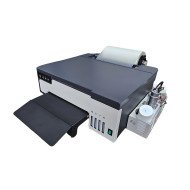
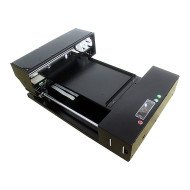
Time is money. That's why newer DTG printers are focusing on speed without sacrificing quality. Higher print speeds, quicker drying systems, and smarter workflow integrations mean you can take on more orders and deliver faster. For example, the A3 DTG Printer exemplifies this with its rapid throughput capabilities, reducing lead times significantly.
5. Sustainable and Eco-Friendly Practices
Business growth isn"t just about technology; it's about responsibility too. The push towards sustainable printing involves using biodegradable inks, water-saving wash systems, and energy-efficient hardware. Consumers are increasingly demanding eco-conscious products—embrace this trend and you"ll stand out in a crowded market.
What These Trends Mean for Your Business
If you"re considering upgrading your setup or investing in new equipment, these trends point towards smarter, greener, and more profitable operations. For instance, adopting advanced inks and hybrid solutions can expand your product range and reduce costs. Automations and faster printers enable you to handle high-volume orders efficiently. All these factors combine to give your brand a competitive edge.
Practical Steps to Stay Ahead
- Evaluate your current equipment. Determine if you need faster speeds or better print quality.
- Invest in eco-friendly inks. This resonates with the growing market for sustainable fashion.
- Explore hybrid printing options that allow versatility for various substrates.
- Implement automation tools for color management and workflow efficiency.
- Keep an eye on emerging hardware, like the latest direct-to-garment printers, which incorporate speed and quality improvements.
When you consider these steps, remember that choosing the right equipment is crucial. For example, the A3 DTG Printer offers enhanced speed, quality, and reliability, perfectly aligned with these trends. Investing in a modern printer now can set you up for success in 2025 and beyond.
FAQs
Q1: How do eco-friendly inks impact print quality?
Modern eco-friendly inks have advanced greatly. They now offer vibrant colors and durability comparable to traditional inks, with the added benefit of being safer for the environment and your employees.
Q2: Can hybrid printing really expand my product offerings?
Absolutely. Hybrid printers allow you to print on various materials—cotton, polyester, and blends—using different processes. That flexibility means you can handle more types of orders and attract diverse clients.
Q3: How much does automation reduce errors in DTG printing?
Automation systems, especially those integrating AI, can predict maintenance needs and optimize color consistency. This significantly reduces mistakes, saves time, and ensures a higher quality output.
Q4: Are faster printers more expensive?
They can be, but the increased productivity often offsets the initial investment. Plus, newer models like the A3 DTG Printer are designed to be cost-effective for small and medium-sized businesses.
Q5: What should I look for when choosing a DTG printer in 2025?
Focus on speed, print quality, eco-friendly features, ease of maintenance, and hardware versatility. Incorporating future trends into your selection process ensures long-term relevance and better ROI.













Leave a Comment