HAVER BOECKER Advances AI Packaging with Game-Changing Systems at Interpack 2026
Industrial Impact on Packaging Operations and Productivity
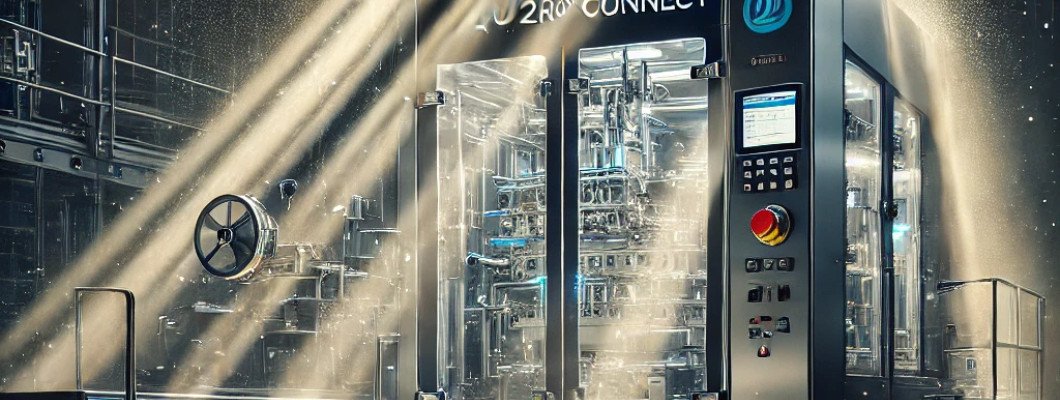
HAVER & BOECKER OHG's unveiling of their integrated AI-driven packaging and filling technologies at Interpack 2026 marks a critical turning point in industrial automation within bulk materials handling. Their portfolio, spanning bagging, filling, and palletizing technologies, notably incorporates Artificial Intelligence and Robotics (AIR) to overcome traditional bottlenecks in precision, efficiency, and safety on factory floors. The introduction of AI components such as QUAT2RO® Connect, a cloud-based system monitoring real-time machine performance, downtime, and bottlenecks, would dramatically reduce unplanned operational interruptions in many packaging facilities.
For industries reliant on bulk material packaging—ranging from chemicals and agriculture to food processing—these innovations resolve multiple endemic issues, such as misbagging, valve bag sealing imperfections, and incomplete fill detection, with continuous AI-supported quality control. This results in less product wastage, fewer reject rates, and smoother supply chain logistics. Furthermore, automation of empty bag logistics using the ROTO-PACKER® coupled with RADIMAT-PATHFINDER® and the robotic capabilities of AMICUS® DEPAL robot deliver powerful solutions for reducing manual labor and mitigating ergonomic injuries.
The implications stretch beyond improved throughput; the AI-enabled feedback loops for process optimization empower predictive maintenance regimes and adaptive control strategies. Many packaging plants currently operate suboptimally due to reactive servicing schedules and limited data integration. By embedding intelligent connectivity across the packaging line, HAVER & BOECKER’s portfolio promises accelerated digital transformation, adding resilience in the face of fluctuating demands and variable product characteristics.
Technical Anatomy of HAVER & BOECKER AI-Driven Packaging Systems
1. QUAT2RO® Connect Cloud-based Performance Interface
QUAT2RO® Connect leverages machine learning algorithms combined with IoT integration to track key performance indicators (KPIs) such as fill accuracy, sealing integrity, and operational downtime. The cloud dashboard interfaces enable remote monitoring via multi-user access, letting engineers analyze historic trends and real-time alerts.
2. Robotics in Empty Bag Logistics
The ROTO-PACKER® system integrated with RADIMAT-PATHFINDER® allows automated transportation of empty bags across complex plant layouts, featuring dynamic route flexibility even in spatially constrained environments. This system is complemented by the AMICUS® DEPAL robot, a precision robotic manipulator that depalletizes bags, optimizing the supply chain's upstream processes to the filling station.
3. AMICUS® SEAL Robot Prototype for AI-assisted Sealing
The AMICUS® SEAL robot integrates into existing conveyor belt setups, using computer vision AI to detect sealing anomalies and adapt sealing parameters in real-time. This deployment promises reliability improvement in packaging sealing cycles, majorly impacting product preservation in sensitive applications.
4. AI-Enabled Quality Control Modules
Systems like BAGcheck (bag type verification), VALVEcheck (valve bag positioning), MATEXcheck (detection of material leakage), and SEALcheck (seal quality) work in unison to ensure continuous, end-to-end product quality inspection. Embedded AI algorithms handle predictive analytics, flagging imminent failures and triggering preventive interventions.
5. Industry-Specific Machinery Innovations
BEHN + BATES INTEGRA® IVx introduces energy-efficient, highly hygienic packing optimized for food-grade PE bags, ensuring compliance with stringent health regulations. Similarly, Feige FILLING’s ELEMENTRA® 26 caters to highly viscous products with pneumatic-free operation to avoid contamination or air pockets.
| System/Feature | Primary Function | AI Integration | Operating Capacity | Key Benefit |
|---|---|---|---|---|
| QUAT2RO® Connect | Cloud-based Performance Monitoring | ML Algorithms for KPI Analysis | N/A | Real-time downtime and bottleneck identification |
| AMICUS® DEPAL Robot | Empty Bag Depalletizing | Robotic Automation & AI motion optimization | N/A | Labor reduction and improved supply chain flow |
| AMICUS® SEAL Robot | Bag Sealing | AI Vision-based Seal Detection | Supports high-speed packing lines | Enhanced sealing integrity and speed |
| Feige ELEMENTRA® 26 | Pallet Filling (Viscous products) | HMI with web-based multi-touch control | Mobile and static versions | Pneumatic-free, air pocket-free filling |
| NEWTEC AURUM Palletizer | Palletizing Bags 5-50 kg | Intelligent energy recovery motor and touchscreen UI | Up to 2,800 bags/hour | Operational cost reduction and enhanced safety |
Financial and Scaling Scenarios Across Different Operation Sizes
Scenario 1: Small-Scale Packaging Shop
For smaller packaging facilities, typically operating with limited automation, the investment in AI-enabled bagging and filling systems represents a significant upfront capital expenditure. However, the efficiency gains from reducing manual handling via the AMICUS® DEPAL and improved sealing with AMICUS® SEAL robots can quickly offset labor costs. Moreover, the integration of QUAT2RO® Connect offers smaller operations the ability to remotely monitor and optimize machine use without a large onsite engineering team. The reduction in product waste and shorter production cycles improve margins.
Scenario 2: Mid-Scale Packaging Plant
Mid-sized facilities analyzing retrofit versus new line builds will find HAVER & BOECKER’s bespoke consultation services valuable. Customizing existing installations with AI modules and robotics can yield 20-30% increases in throughput. Additionally, the flexible empty bag logistics supported by RADIMAT-PATHFINDER® system reduces floor space needs, providing valuable layout flexibility. For plants facing variable product profiles, AI-powered quality checks reduce the risk of non-compliance and associated product recalls, funneling substantial cost savings over 3-5 years.
Scenario 3: Large Industrial Packaging Hub
High-capacity hubs benefit the most from multi-sensor AI analytics across extensive QUAT2RO® Connect dashboards. Comprehensive data integration enables predictive maintenance, supply chain alignment, and lean operation workflows. Technologies like the NEWTEC AURUM palletizer, with its intelligent energy recovery, can reduce energy consumption significantly at scale, impacting OPEX noticeably. Large hubs with complex logistic layouts can automate entire empty bag supply chains, minimizing downtime and avoiding bottlenecks, thus supporting just-in-time production needs of giant consumer goods and chemical manufacturers.
Expert Q&A On AI Packaging Solutions From HAVER & BOECKER
Q1: How does AI integration improve error detection compared to traditional sensors?
AI systems utilize pattern recognition and machine learning to detect anomalies not solely based on static thresholds but by understanding operational context and trends. This means subtle deviations like micro-leaks or partial valve opening can be caught earlier, reducing false positives and unplanned downtime correlated with traditional sensor triggers.
Q2: What considerations are necessary for integrating robotics like AMICUS® SEAL into legacy packaging lines?
The robot is designed for modular integration, but retrofits must address conveyor synchronization, communication protocols, and safety zone adaptations. A thorough mapping of existing line cadence and mechanical interface is essential to prevent bottleneck creation, and HAVER & BOECKER's bespoke design approach helps overcome these hurdles.
Q3: How scalable is the QUAT2RO® Connect cloud infrastructure for large multi-site operations?
QUAT2RO® Connect is architected for cloud scalability with encrypted multi-tenant access, enabling seamless aggregation of machine data across geographically dispersed sites. Its open API allows integration with ERP and MES systems, making it suitable for enterprise-scale deployments.
Q4: What is the impact of AI packaging systems on compliance with food safety standards?
AI enables continuous and documented control of hygiene-relevant parameters, such as airtight seals and contamination monitoring. Systems like BEHN + BATES INTEGRA® IVx specifically address sensitive food applications with hygienic design and AI monitoring, facilitating compliance with regulations like FDA or EU food contact materials directives.
Q5: How do these AI-driven technologies affect maintenance strategies?
The move from reactive to predictive maintenance is central. AI systems analyze historical and real-time data trends to forecast component wear or failure. This precision reduces unnecessary maintenance, optimizes spare parts inventory, and minimizes unplanned breakdowns.
Strategic Verdict On AI Packaging Systems Longevity and Integration
The integration of AI and robotics by HAVER & BOECKER is not merely an incremental improvement but a foundational leap in packaging engineering. Machines like QUAT2RO® Connect create a new paradigm where machines are self-diagnosing and self-optimizing, which is vital for enduring industrial relevance. The modular, interoperable design principles ensure that facilities adopting these systems can scale and evolve without wholesale replacement, supporting technological longevity and protecting capital investment.
Moreover, the seamless bridging of robotics, AI quality control, and ergonomic automation addresses multiple pain points from labor scarcity to compliance and operational efficiency. As demands for precision, sustainability, and traceability grow, HAVER & BOECKER’s solutions represent a blueprint for future packaging infrastructures. For industrial leaders contemplating upgrades or new lines, benchmarking with platforms such as GNFEI.COM is recommended to ensure alignment with industrial-grade AI and automation standards.
Overall, the company’s focus on comprehensive digital services like BESPOKE and its AI suite makes it a strategic partner for unlocking productivity gains and maintaining competitive edge in rapidly evolving markets.