
Ultimate Guide to Choosing the Right DTG and T-Shirt Printer

Ultimate Guide to Choosing the Right DTG and T-Shirt Printer
In the world of custom apparel, the quality and efficiency of your printing equipment can significantly impact your business success. Whether you're just starting or looking to upgrade, understanding the differences between DTG (Direct-to-Garment) printers and traditional T-shirt printers is essential. This guide aims to help you navigate the options and choose the right printer that meets your needs and budget.
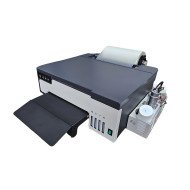
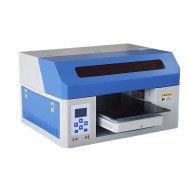
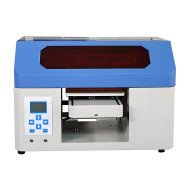
DTG printers are revolutionizing the apparel industry by offering high-resolution, full-color printing directly onto garments. Unlike screen printing, DTG technology prints digital images with intricate details and vibrant colors, making it ideal for small runs and customized designs. These printers typically use textile-specific inks that bond directly to fabric fibers, resulting in soft, durable prints. When considering a DTG printer, key factors include print area size, color accuracy, ink cost, and maintenance requirements. Such features ensure the prints are of high quality while keeping operational costs manageable.

On the other hand, traditional T-shirt printers often refer to screen printing or heat transfer methods. Screen printing is suitable for bulk orders and produces vibrant, durable prints with lower per-unit costs. It involves creating stencils and applying layers of ink on the fabric, which requires more setup time but is cost-effective for large quantities. Heat transfer methods, used with specialized printers and sheets, are versatile for short runs and small orders. While they aren't as detailed as DTG, they are straightforward and faster for simple designs.
Choosing between a DTG printer and a T-shirt printer depends on your production scale, design complexity, and budget. If your goal is to produce high-quality, detailed, and colorful artwork with quick turnaround times for small batches, investing in a DTG printer could be advantageous. DTG offers flexibility, ease of use, and the ability to print on various fabrics with high resolution. Conversely, for large volume orders where cost per piece is critical, screen printing remains the go-to method. It produces consistent, quality results at scale but requires more initial setup and effort.
Another aspect to consider is the type of apparel you plan to print on. DTG printers excel on light-colored, 100% cotton garments, and recent advancements have expanded their capability to darker fabrics with specialized inks. For darker shirts, ensure the printer you choose can handle dark garments effectively. Additionally, consider the space and maintenance requirements. DTG printers often need regular cleaning and proper environmental conditions, but their digital nature makes operation more straightforward for beginners.
In conclusion, selecting the right T-shirt or DTG printer involves assessing your specific needs, such as order volume, design complexity, and budget. Investing in the right equipment today can lead to higher quality products, satisfied customers, and a more successful apparel business tomorrow. Take your time to compare features, read reviews, and even request demos before making a final decision.













Leave a Comment