
Creative manufacturing studios reimagining surface design as UV printer expands beyond traditional flat printing
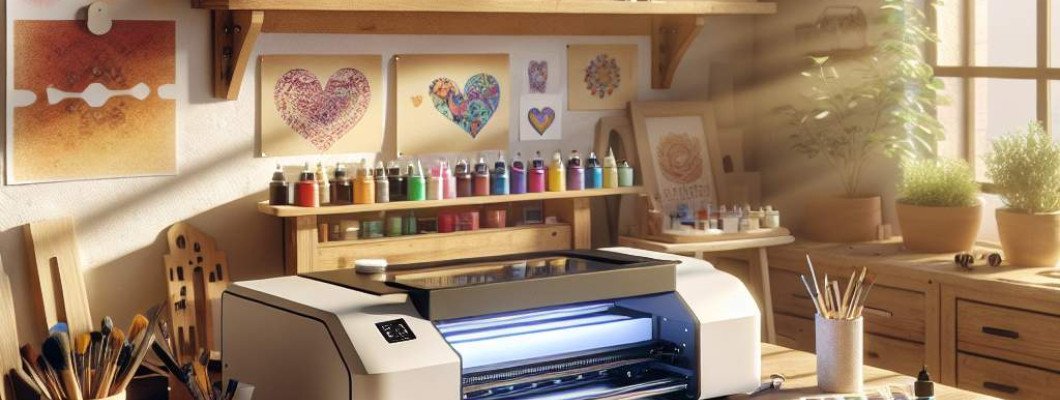
Are you struggling to stay ahead in surface design innovation? Curious about how UV printing is transforming manufacturing studios beyond flat surfaces? You're not alone. Many professionals are discovering that the expanding capabilities of UV printers open new creative possibilities and market opportunities. Today, we"ll delve into how creative manufacturing studios are reimagining surface design, leveraging UV printing technology as it evolves past traditional flat printing limits.
Understanding the Evolution of UV Printing in Surface Design
UV printing has become a game-changer for surface design, largely because of its versatility and rapid development. Traditionally, UV printers specialized in flat surfaces—think signage, decals, or standard product printing. But recent advancements have allowed these machines to print on three-dimensional, textured, and curved objects. This expansion is fueling innovation across industries like interior decor, fashion, electronics, and customized accessories.
Imagine chatting with a friend over coffee about the latest gadgets. They show you a photo of a coffee mug with intricate 3D textures, vibrant colors, and even variable finishes. That"s the power of modern UV printing—making complex, textured surfaces feasible and cost-effective. The key is the expanding technology that enables printing on irregular, non-flat surfaces, offering designers and manufacturers a new realm of creativity.
How Creative Manufacturing Studios Are Reimagining Surface Design
Forward-thinking studios are adopting UV printing to redefine what's possible in surface design. They are blending art with technology to create unique, personalized, and tactile products. Here are some of the innovative ways studios are using UV printers:
- 3D Textured Surfaces: Producing surfaces with embossed patterns or tactile effects that add depth and feel to products like luxury packaging or decorative panels.
- Curved and Irregular Surfaces: Printing directly onto objects like bottles, furniture, and consumer electronics with complex shapes—eliminating the need for decals or manual application.
- Multi-layered and Durable Finishes: Combining multiple layers of UV coatings and inks to develop vivid, durable designs that withstand wear and environmental factors.
- Rapid Prototyping and Customization: Quickly turning ideas into physical prototypes or personalized products—great for market testing or bespoke manufacturing.
These applications accelerate product development cycles and broaden design possibilities. For instance, a furniture studio might print textured, multi-colored designs directly onto wood or composite materials, creating eye-catching pieces that stand out in a competitive market. Such versatility was impossible with traditional flat printing methods.
The Technology Behind the Expansion: UV Printers Moving Beyond Flat Surfaces
Recently, UV printers have integrated advanced features such as multi-axis movement, variable print heads, and increased resolution. These technical improvements enable printing on complex geometries with precision. Key features include:
- Adjustable Print Heads: Capable of multi-directional movement to reach curved or uneven surfaces.
- Higher Resolution and Color Accuracy: Ensures detailed, vibrant images on textured or irregular objects.
- Increased Layer Thickness Capability: Allows for textured finishes and raised effects.
- Automated Surface Recognition: Modern UV printers can analyze surface contours and adjust printing paths in real time.
These advancements mean studios can not only print on flat surfaces but also create complex, multi-dimensional objects with detailed graphics, textures, and finishes—something once reserved for high-end manufacturing or manual labor. For example, a startup producing custom phone cases can now print directly onto cases with intricate textures and asymmetrical shapes, drastically reducing production time and costs.
Choosing the Right UV Printer for Your Surface Design Needs
If you're thinking about expanding your studio"s capabilities, selecting an appropriate UV printer is crucial. Consider the following factors:
- Surface Compatibility: Ensure the machine can handle your typical materials and shapes, especially if you plan to work with curved or textured items.
- Print Resolution and Quality: High resolution ensures detailed, professional finishes that meet client expectations.
- Size and Work Area: Match the printer size to your typical project dimensions to optimize workflow.
- Speed and Throughput: Balance quality with production speed to meet demand without compromising quality.
- Ease of Use and Maintenance: User-friendly interfaces and straightforward maintenance reduce downtime and training costs.
For example, the A3 Spot UV Printing Machine offers versatile surface capabilities, high-quality printing, and reliable operation—making it an excellent choice for studios looking to explore beyond flat surfaces.
Impacts on the Market and Future Trends
The expansion of UV printing into 3D and textured surfaces is transforming how products are designed, manufactured, and marketed. It empowers studios to deliver more personalized, innovative, and high-value products, giving them a competitive edge. As the technology continues to evolve, expect to see:
- Increased Adoption in Industries: Fashion, automotive interiors, consumer electronics, and luxury packaging are already leveraging these innovations.
- More Compact and Cost-Effective Equipment: Making advanced surface printing accessible to smaller studios and startups.
- Integration with Digital Design Tools: Seamless workflows from digital modeling to physical prototypes.
- Green and Sustainable Practices: UV inks are often eco-friendly, and multi-layer printing reduces waste and materials use.
These trends promise a more vibrant and adaptable design landscape, pushing the boundaries of surface decoration and personalization. If your studio isn"t exploring UV printing"s expanding capabilities, you risk falling behind in a rapidly changing market.
Getting Started with Surface Design Innovation
To successfully reimagine surface design, consider the following tips:
- Invest in a **versatile UV printer** capable of handling diverse materials and geometries.
- Develop a **workflow** that integrates design software with your printing machinery for precision and efficiency.
- Experiment with **textures and finishes**—layer different inks or coatings to create tactile effects.
- Train your team** on new technologies** to maximize output quality and minimize errors.
- Keep an eye on **industry trends** and continuously seek inspiration from art, nature, and emerging design movements.
For businesses ready to leap into innovative surface design, exploring the right UV printer options and understanding emerging capabilities can unlock countless creative opportunities, setting your studio apart in a competitive landscape.
FAQs About Surface Design with UV Printing
- Can UV printers print on any shape or material? Modern UV printers are capable of printing on a wide range of surfaces, including curved, textured, and irregular objects, depending on the specific model and features.
- What are the main advantages of UV printing over traditional methods? UV printing offers faster production, higher resolution, the ability to print on complex surfaces, and fewer setup requirements, making it ideal for customization and small-batch production.
- Is UV printing environmentally friendly? Generally, yes. UV inks typically emit fewer volatile organic compounds (VOCs), and the process produces less waste compared to solvent-based printing methods.
- What industries benefit most from UV surface printing? Industries such as interior decor, product packaging, promotional merchandise, fashion accessories, and automotive interiors are rapidly adopting UV surface printing technologies.
- How can I ensure quality when printing on complex surfaces? Use a UV printer with adjustable heads, high resolution, and robust surface recognition features. Proper surface preparation and operator training are also vital for achieving professional results.














Leave a Comment