
Choosing a T-SHIRT PRINTER That Matches Real Customer Demand
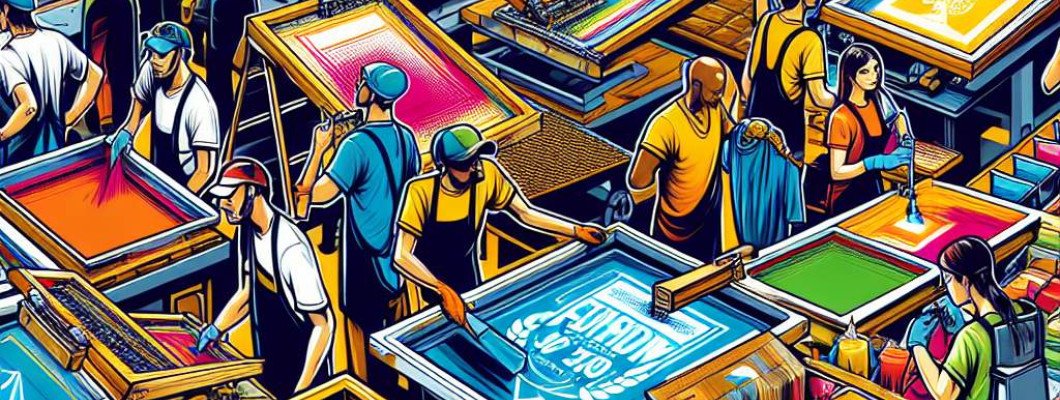
Struggling to meet customer demand with your T-shirt printing setup?
If you"re like many entrepreneurs or hobbyists venturing into custom apparel, choosing the right T-shirt printer can feel overwhelming. You want a machine that"s fast, reliable, and capable of handling your growth. But how do you pick a printer that actually matches what your customers want? Let"s break down the essentials so you can make an informed decision.
Understanding Your Customer Demand
What kind of demand are you facing?
Before jumping into technical specs, take a step back. Are you aiming to produce a few custom shirts weekly or scaling up for mass orders? Knowing your demand level helps determine the right printer. For instance, if you're just starting out and doing small batch printing, a smaller printer might suffice. But if you're looking to grow rapidly, investing in a high-capacity machine becomes crucial.
Factors to Consider When Choosing a T-shirt Printer
Matching your printer to your customer demand involves understanding a few key factors. Here are the essentials:
- Print Speed: How fast can your machine produce each shirt?
- Print Quality: Will the printer produce vibrant, durable designs?
- Ease of Use: Is the machine user-friendly, especially if you"re new?
- Cost of Maintenance: What are the ongoing costs?
- Versatility: Can it handle different fabric types and designs?
- Scalability: Will it keep up as your order volume grows?
Choosing the Right Printer Based on Demand
For Small-Scale Operations
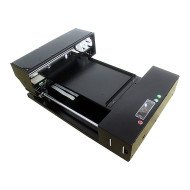
If you"re just starting or doing occasional custom shirts, a compact direct-to-garment (DTG) printer, like the A3 DTG Printer, is a great choice. It"s affordable, easy to operate, and produces high-quality prints on cotton and light fabrics. Just remember, if demand picks up, you"ll need to upgrade.
For Growing Business
When your orders are increasing, look for printers with faster print speed and multiple print heads. The ability to print multiple shirts simultaneously can save hours per day. Consider models with high-capacity ink cartridges and quick-drying inks. Some printers can handle different substrates like polyester or blends, expanding your product range.
For Large-Scale Printing
If you're aiming for mass production, specialized screen printing or hybrid setups might be better suited. But if you prefer high detail and color accuracy, advanced DTG printers with high throughput are essential. Invest in machines that offer automation options, such as automatic garment loading and unloading, to boost efficiency.
Technical Features That Match Demand
Print Speed and Productivity
This is often the most critical factor. For example, some high-end DTG printers can produce up to 50 shirts per hour. If your business needs to fulfill hundreds of orders weekly, speed isn"t just a bonus; it"s a necessity.
Color Accuracy and Vibrancy
customers expect bright, vivid designs that last. Look for printers with wide color gamuts, water-based or eco-friendly inks, and good white ink capabilities if you plan to print on dark shirts.
Ease of Use and Maintenance
Your staff or you should be able to operate the machine without hours of training. Also, check the availability of support and parts, as downtime can hurt your business. Machines that feature automated cleaning and self-diagnosis tools save time and reduce errors.
Growth Tips and Future-proofing Your Choice
- Invest in scalable equipment: Your demand today might be small, but plan ahead.
- Prioritize quality and reliability: A cheap printer might save money upfront but cost more long-term due to repairs and reprints.
- Consider software integration: Compatibility with design software streamlines workflow.
- Stay updated on technology: Newer models offer better speed, quality, and eco-friendliness.
Talking with a supplier or expert can help you find a machine that hits the sweet spot between current demand and future growth. Remember, the right printer should grow with your business, not hold it back.
FAQs
1. How do I know what print speed I need?
Calculate your typical order volume and choose a printer that can produce enough shirts within your required time. For example, if you need 100 shirts a day, pick a model that outputs at least 10 shirts per hour.
2. Is a large initial investment worth it?
If you"re planning to grow quickly and expect consistent demand, investing in a higher-capacity machine makes sense. It saves time, improves quality, and can handle larger orders efficiently.
3. Can I print on different fabrics with one machine?
Most modern DTG printers handle cotton and light fabrics well. If you want to print on polyester or blends, ensure the machine supports those materials, as some inks and settings vary.
4. What"s the ongoing cost of printing?
Consider ink costs, maintenance, and repairs. Cheaper printers might save money upfront but could cost more over time. Look for a machine with low ink consumption and reliable customer support.
5. How do I future-proof my investment?
Buy from reputable brands with upgrade options, scalable features, and good after-sales support. Planning for demand growth helps avoid costly replacements later.














Leave a Comment