
Direct to Garment vs. The World: Why 2026 Tech Makes Pre-Treatment Nightmares a Thing of the Past
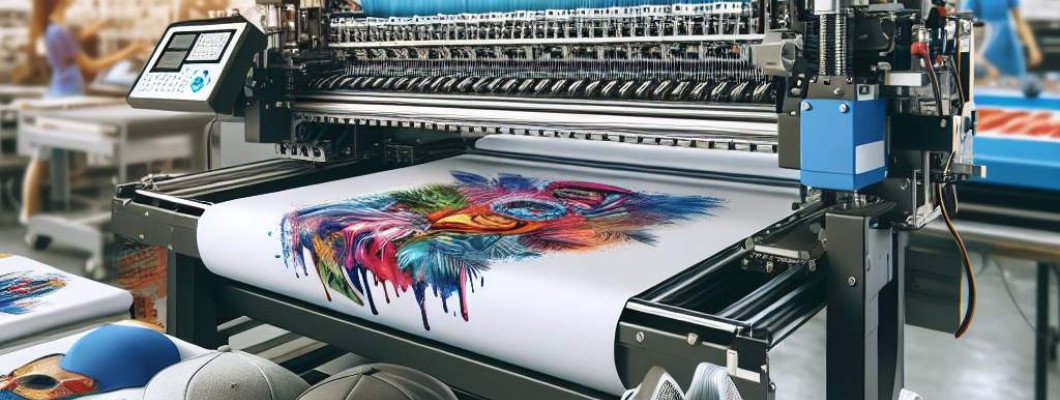
Are you struggling to stay ahead in the competitive world of textile printing? Do frequent pre-treatment issues slow down your production or affect the quality of your designs? If so, you're not alone. Many print shop owners and hobbyists face similar challenges when using traditional Direct to Garment (DTG) methods.
Until recently, pre-treatment was a necessary evil for DTG printing. It often involved complex processes, unpredictable results, and the frustration of inconsistent quality. But what if there was a way to bypass these nightmares altogether? The answer lies in advances in 2026 technology, revolutionising how we do textile printing and rendering pre-treatment worries obsolete.
Understanding the Old Limitations of DTG Printing
Traditional DTG printers relied heavily on pre-treatment to ensure vivid colours and sharp details on fabrics, especially darker garments. This involved applying a chemical solution that helped ink bond properly, ensuring durability and vibrancy. However, pre-treatment posed numerous challenges:
- Time-consuming processes: Applying, waiting, and curing pre-treatments took up a significant portion of production time.
- Inconsistency: Uneven application often led to colour irregularities and flaky prints.
- Added cost: The chemicals and equipment increased expenses, making small shops less competitive.
- Environmental concerns: The chemicals used could be harmful if not handled properly.
These issues could turn what should be a straightforward printing process into a source of stress and delays.
The 2026 Revolution: How New Tech Eliminates Pre-Treatment Nightmares
Fast forward to 2026, and the landscape of textile printing has transformed dramatically. Thanks to innovations in inks, printer hardware, and fabric technology, pre-treatment is becoming a thing of the past. Here"s how:
- Advanced water-based inks: Modern inks are designed with superior adhesion properties, reducing or eliminating the need for pre-treatment, even on dark fabrics.
- Enhanced print heads: Precision-engineered print heads ensure consistent ink distribution, resulting in sharper images directly on textiles.
- Smart fabric selection: New fabric coatings and compositions are engineered for better ink compatibility, allowing direct printing without pre-treatment.
- AI-driven calibration: Some printers now use AI to automatically adjust settings for optimal printing, minimising errors and wastage.
This technological leap means that printers can now produce high-quality prints directly on garments with minimal prep work, significantly reducing production time, costs, and environmental impact.
Why This Matters for Your Business
Imagine chatting with a friend at a café who runs a small print shop. They tell you how they used to dread pre-treatment days, losing hours on setup and remediation. Now, with the new 2026 tech, they simply load the fabric, press start, and watch the magic happen. No prep chemicals, no uneven coatings, just vibrant, durable prints every time.
For your business, that means:
- Faster turnaround: Shorter production cycles get orders out faster.
- Lower costs: Reduced chemical use and less equipment maintenance save money.
- Cleaner processes: A greener, safer workspace appeals to eco-conscious clients and reduces health concerns.
- Consistent quality: Reliable results even on challenging dark fabrics build credibility and customer satisfaction.
And for consumers, this innovation translates into brighter colours, more durable designs, and more options—bringing their clothing visions to life with fewer limitations.
Choosing the Right Technology for Your Setup
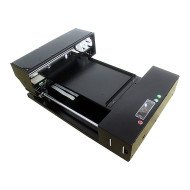
To take advantage of this revolution, look for printers that incorporate the latest tech features. For example, the A3 DTG Printer offers advancements aligning with 2026 expectations—no pre-treatment needed for most fabrics, and quick setup times.
Key features to consider:
- Zero pre-treatment capability: Can print directly onto dark and light fabrics effectively.
- High-resolution output: Achieve sharp details and vibrant colours suitable for commercial or artistic printing.
- Eco-friendly ink systems: Water-based and environmentally safe inks reduce waste and health risks.
- Automatic calibration: Simplifies operation and ensures consistent quality daily.
Investing in the right equipment now positions you for success, with a future-proof setup that leverages the latest innovations in textile printing technology.
What the Future Holds
As 2026 continues to approach, expect even more refinements in this space, such as:
- Smart fabrics: Garments that react differently to printing, opening new creative possibilities.
- AI and automation: Fully autonomous print farms with minimal human intervention.
- Enhanced durability: Prints that withstand multiple washes without fading, even without pre-treatment.
Staying informed and investing wisely in emerging tech will keep your business competitive and innovative in this rapidly evolving industry.
FAQs
1. Do I need pre-treatment for all fabrics in 2026?
Many modern fabrics now allow dye sublimation or direct printing without pre-treatment, especially with advanced inks and coatings. However, some materials may still require it; check your printer manufacturer"s guidelines.
2. Are new DTG printers more expensive?
Initial investment might be higher, but savings from reduced chemical use, faster production, and fewer maintenance issues quickly offset the cost.
3. How durable are prints without pre-treatment?
Thanks to improved inks and fabric coatings, prints are now more durable, often matching or surpassing traditional pre-treated results in longevity.
4. Can I convert my existing printer to these new standards?
Most upgrades involve new ink systems or hardware, so check with your manufacturer for compatibility and upgrade options.
5. Will this affect colour vibrancy?
Not at all. Modern inks designed for direct printing on untreated fabrics deliver bright, vibrant colours suitable for professional use.
By understanding how 2026 tech is transforming textile printing, you can streamline your workflow, cut costs, and deliver superior products—all without the nightmares of pre-treatment. Embrace the future now and see your business thrive.














Leave a Comment