
Hybrid material printing demand (from ceramics to textiles) creating new opportunities for uv printer versatility
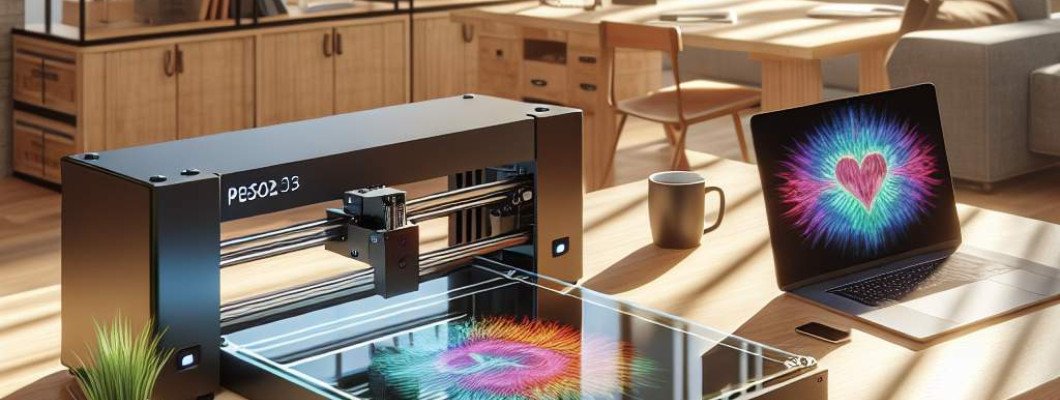
Struggling to stay ahead with your printing solutions? Curious about how hybrid material printing can transform your business?
Many professionals like you are asking how to adapt to the growing demand for diverse printed materials. The good news? The rise of hybrid material printing opens new doors, especially for UV printers. If you've been relying on traditional methods, you might be surprised at how versatile and profitable this approach can be.
What is Hybrid Material Printing and Why Does It Matter?
Hybrid material printing is essentially combining different substrates such as ceramics, textiles, plastics, and metals in a single printing process. This isn't just about printing on diverse materials—it"s about integrating them into cohesive, high-quality products.
Think of it like creating a piece of art that combines the texture of ceramic with the softness of textiles in one go. This approach is becoming more essential because customers now expect customization and unique finishes. Brands want to make products that stand out, and hybrid printing makes that possible.
How Is It Changing the Role of UV Printers?
- Increased versatility: Modern UV printers are now designed to handle a broader range of materials. They can print directly on ceramics, glass, textiles, plastics, and more without needing multiple machines.
- Enhanced functional printing: UV technology offers durability, vibrant colors, and high-resolution details—crucial for on-demand customizations like personalized ceramics or apparel.
- Cost-effective solutions: Instead of investing in separate equipment for each material, businesses can opt for versatile UV printers that do it all. This lowers overhead and streamlines workflow.
Opportunities That Hybrid Material Printing Creates
Here's what I"ve seen in the industry—and even experimented with myself—this technology opens up opportunities that weren"t possible a few years ago:
- Custom promotional products: Imagine printing logos across ceramic mugs and textiles for the same campaign. It"s now feasible and cost-effective. Check out this UV coating machine that can elevate your product quality.
- Food and giftware personalization: Ceramics combined with textiles or plastics enable a new level of product differentiation, perfect for seasonal markets or limited editions.
- Interior decor and retail displays: Printing on tiles, fabrics, and furniture allows for highly customized spaces that attract more clients.
- Medical and industrial applications: The ability to print on ceramics and textiles also broadens opportunities in these sectors—think specialized hospital equipment or wearables.
Adapting Your Business to Hybrid Material Printing
If you're ready to jump into hybrid printing, here are some steps:
- Assess your current equipment: Do your existing UV printers support multi-material printing? If not, investing in a compatible model is the first step.
- Train your team: Handling new materials and techniques requires upskilling. Invest in training or partner with suppliers for support.
- Experiment with different substrates: Test printing on ceramics, textiles, and plastics. Understand how each material reacts and what finishes look best.
- Market your new capabilities: Promote your ability to handle diverse materials. Show samples and case studies to potential clients.
Why Versatility Is Key in Today"s Market
It"s no secret—flexibility in your printing capabilities can mean the difference between standing out and falling behind. Customers are seeking more personalized, high-quality products delivered quickly. Hybrid material printing directly answers these demands by enabling rapid prototyping and production of unique items.
To put it simply: if your UV printer can handle ceramics and textiles, you"re equipped to serve many more industries, customize orders faster, and adapt to market changes without expensive downtime.
Real-World Success Story
I recently spoke with a small business owner who started offering custom ceramic and fabric promotional items. By switching to a versatile UV printer capable of hybrid printing, they diversified their portfolio and saw a 30% increase in sales within six months. Their secret? Being able to print directly on different materials without multiple machines—and doing it all in-house.
Frequently Asked Questions
1. What materials can be used with hybrid UV printing?
Mostly ceramics, textiles, plastics, glass, and some metals. The key is to ensure your UV printer supports these substrates or has options for different inks and curing methods.
2. Do I need special training to print on different materials?
Yes. Handling new materials requires understanding print settings, surface preparation, and post-processing. Most suppliers offer training, or you can hire experts for hands-on support.
3. Is hybrid printing cost-effective for small businesses?
Absolutely. Instead of investing in multiple dedicated machines, a versatile UV printer reduces upfront costs and simplifies your workflow, making it ideal for small to medium enterprises.
4. What are the limitations of hybrid material printing?
Some substrates may require specific inks or surface treatments. Not all UV printers can handle extremely large or complex items. Always check your printer"s specifications and test thoroughly.
5. How can I advertise my new hybrid printing capabilities?
Showcase high-quality samples on your website and social media. Share case studies, run promotions, and participate in industry trade shows to attract new clients.
In today"s competitive landscape, hybrid material printing offers a clear edge. It"s about being flexible, innovative, and ready to meet diverse customer needs. Consider upgrading your UV printing setup so you can capitalize on these new opportunities and stay ahead of the curve.












Leave a Comment