
UV Printer Decisions That Matter More Than Speed and Resolution
Are You Choosing a UV Printer Based on Speed and Resolution Alone?
If you've been shopping for a UV printer, you might have noticed that most manufacturers emphasize **speed** and **resolution**. But is that really all that matters? Many customers discover too late that other factors—like durability, ink compatibility, and application versatility—are **crucial to long-term success**. When you're investing in a UV printer, you want to make choices that impact the quality, efficiency, and lifespan of your equipment. So, what should you really be focusing on instead of just speed and resolution?
Understanding the Limitations of Speed and Resolution
It's tempting to assume that faster printers with higher resolution will automatically deliver better results. But in practice, these specs only tell part of the story. For example, a printer that outputs at 3000 mm/sec might sound impressive, yet if it cannot handle thick or textured substrates, your productivity could suffer. Similarly, ultra-high resolution may produce crisp images but could slow down production or require costly maintenance.
What Truly Counts When Selecting a UV Printer
While speed and resolution are visible metrics, here are critical factors that could *make or break* your investment:
- Print head and ink technology: Compatibility with a wide range of substrates, including plastics, glass, wood, and metal, ensures versatility.
- Durability and build quality: A robust printer ensures years of reliable operation, minimizing downtime and repair costs.
- Application flexibility: Can the printer handle different sizes, thick materials, or textured surfaces effectively?
- Ease of maintenance: Features like automatic cleaning, minimal calibration, and user-friendly interfaces save time and money.
- Inking options and color fidelity: Compatibility with eco-solvent, UV-curable inks, and ability to reproduce true-to-life colors are essential for high-quality output.
Real-World Example: A Small Business Owner's Experience
Imagine chatting with Sarah, who runs a custom promotional product shop. She initially chose a UV printer based on speed and resolution but soon encountered issues with ink adhesion on curved surfaces and frequent breakdowns. After switching to a more **durable, application-optimized** model, her productivity rose, and her customers loved the quality. Now, her workflow is smoother, and her investment pays off every month.
How to Make Informed Decisions for Your UV Printing Needs
To avoid costly mistakes, consider these practical tips:
- Assess your primary substrates: Know what materials you'll print on most often and ensure the printer handles them well.
- Check for compatibility and options: Confirm inks are suitable for your products. Some printers support multiple ink types, expanding your capabilities.
- Evaluate maintenance requirements: Look for models with easy access points, self-cleaning features, and reliable support.
- Consider the total cost of ownership: Balance upfront costs with long-term expenses such as ink, maintenance, and repairs.
- Seek expert advice and reviews: Talk to other users and read independent reviews to identify hidden issues or advantages.
Why Not Just Focus on the Speed and Resolution?
While these specs matter, they are like the car's horsepower—they don't tell the full story. A high horsepower engine in a poorly built car won't last long or perform well on rough roads. Similarly, a UV printer with blazing speed but poor durability or limited application flexibility risks becoming a costly paperweight. Balance is key: prioritize the factors that directly impact your workflow and output quality.
Explore Quality UV Printing Equipment
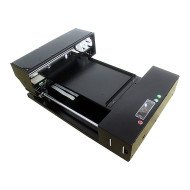
Looking for a reliable, multi-purpose UV printer that offers flexibility, durability, and excellent color fidelity? Explore the Spot UV Printing Machine with Glossy UV Coating. It exemplifies many of the qualities discussed—designed for professional results and long-term performance. Remember, the best choice balances core features with your specific production needs.
Final Thoughts: Making Your UV Printer Work for You
Choosing a UV printer isn't just about the fastest or highest-resolution model. Instead, focus on how the printer's features align with your applications, substrate types, and workflow requirements. A well-rounded investment in a highly durable, versatile, and easy-to-maintain machine can save you money and frustration in the long run. When you see beyond just speed and resolution, you set yourself up for consistent quality and business growth.
FAQs
- What is more important: resolution or ink compatibility?
Both are essential, but ink compatibility directly affects your ability to print on various materials without issues. - How do I know if a UV printer is durable enough for my business?
Check the build quality, reviews from other users, and warranty offerings. A robust frame and quality components are signs of durability. - Can faster printers produce higher quality results?
Speed does not guarantee quality. For detailed, high-resolution work, slower printers with fine head control often produce better results. - Are maintenance costs high for UV printers?
It depends on the model. Look for printers with automatic cleaning functions and easy access panels to minimize downtime and costs. - How do I choose between different UV printing technologies?
Evaluate based on your substrate needs, desired output quality, application scope, and budget. Consulting with experts can help clarify your options.














Leave a Comment