
Things to Consider Before Buying a T Shirt Printing Machine or a Direct to Garment DTG Printer
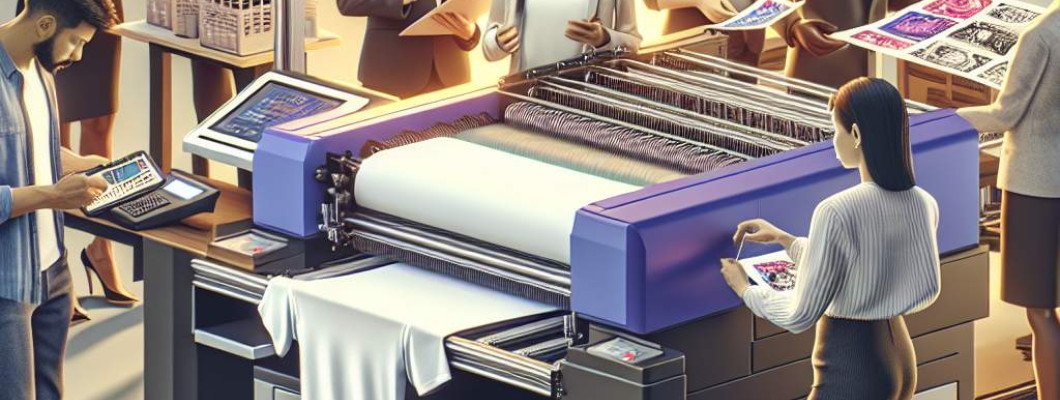
Things to Consider Before Buying a T Shirt Printing Machine or a Direct to Garment DTG Printer
Starting a custom T-shirt printing business or upgrading your existing setup involves several important decisions. One of the most critical choices is selecting the right printing equipment, such as a conventional T-shirt printing machine or a modern direct to garment (DTG) printer. With advances in print technology, it"s essential to understand the features, capabilities, and limitations of each option to ensure your investment aligns with your business goals and operational needs.
When evaluating different machines, you should consider factors like print quality, speed, durability, upfront costs, and ongoing maintenance. A high-quality T-shirt printing machine can produce vibrant, durable prints, but it might come with higher initial investment and operational costs. Conversely, a DTG printer offers detailed, photo-quality images directly on garments and is ideal for small batch or on-demand printing but requires proper maintenance and color management skills. Making an informed decision requires analyzing your specific requirements, target market, and long-term business plan.

Understanding the Types of T Shirt Printing Machines
Before diving into the purchase process, it's crucial to understand the various types of T-shirt printing machines available in the market. The traditional methods include screen printing, heat transfer presses, and sublimation, each with its own set of advantages and limitations. However, for modern customization, digital printing options like DTG have gained significant popularity.
A typical T-shirt printing machine can range from manual single-color presses to fully automated multi-color units. These machines are usually designed for traditional methods, which involve creating stencils (screens) for each color. While suitable for bulk orders, they might not be as flexible for short runs or personalized designs. On the other hand, a DTG printer such as the A3 DTG Printer brings ease of use, high resolution, and quick turnaround times for customized orders.
Key Factors to Consider When Choosing a T-shirt Printing Machine
Print Quality
When selecting a T-shirt printing machine, print quality is paramount. High-resolution printing ensures vibrant colors and sharp details, which are vital for customer satisfaction. DTG printers excel here, producing intricate images with a wide color gamut. They are capable of printing photo-realistic designs directly onto garments without the need for additional transfers or screens.
Conversely, screen printing can produce extremely durable prints over many washes but may not be suitable for complex images or small runs due to setup time and cost. If your business targets detailed designs and a broad color spectrum, investing in a high-quality DTG printer can give you a competitive edge.
Production Speed and Volume
Assess your expected volume and turnaround time. For high-volume production, traditional screen printing is often more cost-effective per piece, especially for large runs. It allows rapid printing once screens are prepared, making it ideal for bulk orders.
If your focus is on customization, small batches, or on-demand printing, a DTG printer offers flexibility and quick setup. Modern DTG models can print multiple shirts within a matter of minutes, making them suitable for businesses that prioritize fast delivery and personalization. Remember, speed should align with your expected order volume and customer expectations.
Initial Cost and Budget
Budget plays a significant role in your choice of equipment. Traditional screen printing setups and heat press systems can be less expensive initially but may require ongoing costs for screens, inks, and maintenance. DTG printers, such as the A3 DTG Printer, typically involve a higher upfront investment but can be more economical in the long run for small batches due to minimal setup costs.
Be sure to consider not only the purchase price but also the costs associated with inks, maintenance, and potential repairs. Doing a comprehensive cost analysis aligned with your business plan can help prevent surprises down the line.
Operational Skills and Maintenance
Operating a T-shirt printing machine requires a specific skill set. DTG printers, for example, demand knowledge of color management, fabric compatibility, and regular maintenance, including print head cleaning and software updates. Proper training ensures high-quality output and prolongs equipment lifespan.
Traditional screen printing may require less technical expertise once established but involves manual labor and attention to detail for screen creation and curing processes. Either way, factor in your team's skill level and training resources needed to operate the chosen equipment efficiently.
Space and Power Requirements
Evaluate your available workspace. DTG printers and large screen printing setups have different space requirements. DTG printers are usually more compact but still need room for garment handling, curing, and ink storage. Make sure your facility can accommodate the machine"s footprint and electrical needs such as voltage and power outlets.
Design Flexibility and Customization Capabilities
Your product offerings heavily influence your choice. If your designs involve complex images, photographs, or gradients, a DTG printer is ideal because of its capacity for high-detail printing. Traditional methods may struggle with such designs and are better suited when bulk runs of simple, multi-color designs are common.
Durability and Washability of Prints
Customer satisfaction hinges on print durability. Screen printing generally produces longer-lasting prints that withstand multiple washes, making it suitable for apparel that experiences frequent laundering. DTG prints have improved significantly, but their longevity depends on proper curing, ink quality, and fabric type. Test samples and reviews can guide you toward the best choice for durability.
Environmental Impact and Sustainability
Eco-friendliness is increasingly important in business operations. DTG printing tends to use water-based inks, which are less harmful to the environment compared to plastisol inks used in traditional screen printing. Additionally, the reduced waste of screens and materials makes DTG a more sustainable option. If environmental considerations are part of your brand identity, this factor warrants serious attention.
Conclusion: Making Your Decision
Choosing between a traditional T-shirt printing machine and a DTG printer is a strategic decision that depends on your business size, design complexity, budget, and sustainability goals. For small businesses and those prioritizing detailed, on-demand printing, investing in a quality DTG printer like this model is a wise move. For high-volume production of simple designs, traditional methods may offer cost efficiency.
Whichever option aligns with your goals, doing thorough research, assessing your operational capacity, and considering long-term growth can help you make the most of your investment. Remember, choosing the right equipment today will set the foundation for your brand"s success tomorrow.
















Leave a Comment