
How a UV Printer Supports Short-Run Production Without Compromising Quality
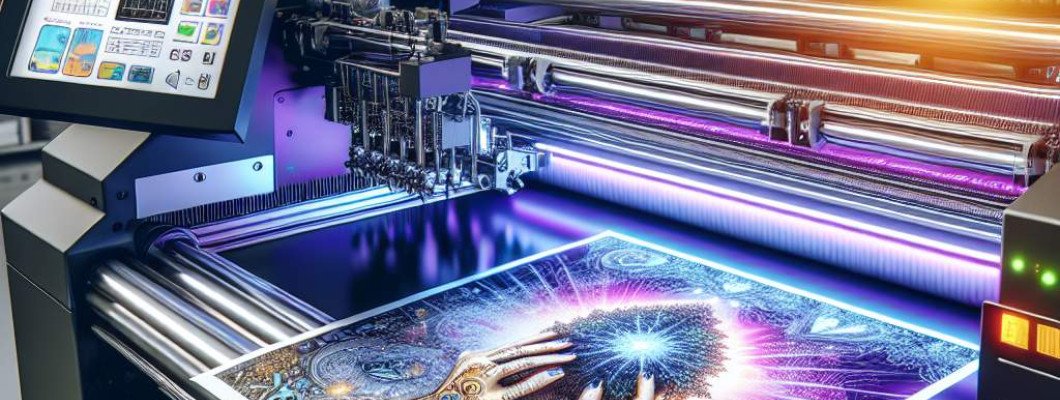
Struggling to meet short production deadlines without sacrificing quality?
You're not alone. Many businesses find themselves caught between the need for fast turnaround times and delivering top-notch results. This is where a UV printer can change the game. Have you ever wondered how some companies produce small batches with flawless detail and durability? The secret often lies in innovative printing technology that enables short-run production without compromising on quality. Let"s explore how UV printers make this possible and whether they"re worth considering for your business.
Why traditional printing methods fall short for short runs
Limitations of Offset and Digital Printing
Traditional methods like offset printing excel with large volumes but struggle with small batches. Setting up plates and inks takes time and costs more per unit for short runs. Digital printers improved this somewhat, offering quicker setup and customized output, but they still have limitations regarding material compatibility and surface finishes.
Many digital printers can struggle to produce high-gloss or textured effects, especially on non-paper surfaces. This is where UV printing outperforms.
What makes UV printers perfect for short-run production?
Key Advantages of UV Printing Technology
- Fast curing time: UV ink cures instantly, reducing production time significantly.
- Versatile substrate compatibility: Print on plastics, glass, metal, wood, and more, with no need for special coatings.
- High-quality, detailed output: Achieve sharp images, vibrant colors, and smooth finishes.
- Cost-effective for small batches: Minimal setup costs mean lower overall expenses for short runs.
- Environmental benefits: UV inks have less VOC emissions, making them more sustainable.
Imagine chatting with a friend about designing custom phone cases. You want vibrant designs with glossy finishes, but traditional methods would involve costly setups and delays. With a UV printer, you can produce a handful of premium-quality cases quickly and affordably.
How UV printers support quality in small batches
Precision and Durability
UV printing uses UV light to instantly cure ink on the surface. This results in images that are sharp, with fine details preserved. Plus, the cured inks are resistant to scratches, chemicals, and UV degradation. So, even short runs—like a set of premium promotional items—look professionally finished and last longer.
Customization and Flexibility
Need something unique? UV printers excel at customization. They can handle variable data, produce multiple designs in a single batch, and easily switch between projects. This flexibility makes them ideal for limited editions, personalized gifts, or custom branding efforts.
Real-world example: Growing a niche brand
I recently talked to a small business owner launching a handmade jewelry line. They wanted small batches of packaging with intricate designs and glossy finishes. They opted for a UV printer. The results? They could produce exactly what they needed, with perfect quality, in just a few hours. No more waiting weeks for large run setup costs or quality compromises. Plus, the ability to tweak each batch ensured their branding stayed sharp and vibrant.
Key considerations before investing in a UV printer
Assess your specific needs
- What materials do you plan to print on?
- How many units do you need per batch?
- What quality standards are required?
- Is environmental impact a priority for your brand?
Choosing the right UV printer
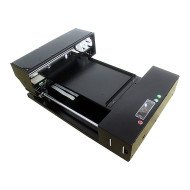
Look for a model with features like high print resolution, compatibility with your target substrates, and easy maintenance. For instance, if your focus is glossy finishes on plastics, ensure the machine supports that and offers adjustable curing settings.
Getting the most out of your UV printer
- Invest in quality inks: Higher quality inks will produce better results and last longer.
- Maintain routine cleaning: Keep the print heads and surfaces clean to avoid defects.
- Experiment with different materials: Explore how various surfaces respond for unique textured or matte effects.
Check out the latest UV printing solutions here and see how they can boost your short-run production capabilities.
FAQs about UV printers and short-run production
Can UV printers handle any material?
Most UV printers are versatile and can print on a variety of surfaces—including plastics, glass, wood, metal, and textiles. Always verify compatibility with your chosen model.
Is UV printing cost-effective for small batches?
Absolutely. Since UV printers require minimal setup and have quick curing times, they"re very cost-efficient for short runs. The savings come from lower material waste and reduced labor costs.
What"s the lifespan of UV-printed items?
UV-cured inks are highly resistant to scratches, UV light, and chemicals, so items can last several years without fading or damage—making them perfect for branding or promotional products.
How easy is it to switch designs or customize for different clients?
Very easy. UV printers support digital file changes, allowing quick swaps between designs without significant downtime. This makes them ideal for personalized orders or limited editions.
Are UV printers environmentally friendly?
Compared to traditional printing methods, UV printing produces less VOC emissions and waste. High-quality inks are also more eco-friendly, aligning well with sustainable business practices.














Leave a Comment