
How a DTG Printer Helps Apparel Brands Respond to Unpredictable Demand
Are you an apparel brand struggling to keep up with unpredictable customer demand? Do you find yourself overwhelmed by the need for quick turnaround times and flexible production methods? If so, understanding how a DTG printer can transform your business might be the game-changer you need. Today"s fast-paced fashion industry demands agility — and Direct-to-Garment (DTG) printing offers exactly that. It enables brands to produce high-quality, custom apparel rapidly, making it ideal for responding to sudden changes in demand.
Imagine chatting with a friend who runs a small clothing line. She was struggling to fulfill orders during a recent pop-up shop rush. Traditional printing methods, like screen printing, couldn"t keep up — they required lengthy setups and minimum orders. Luckily, she adopted a DTG printer, which allowed her to print small batches with incredible detail and speed. She met customer needs on the spot, increased sales, and avoided excess inventory. That"s the power of a DTG printer in action — turning unpredictable demand into an opportunity rather than a headache.
What Is a DTG Printer And Why Is It Crucial for Modern Apparel Brands?
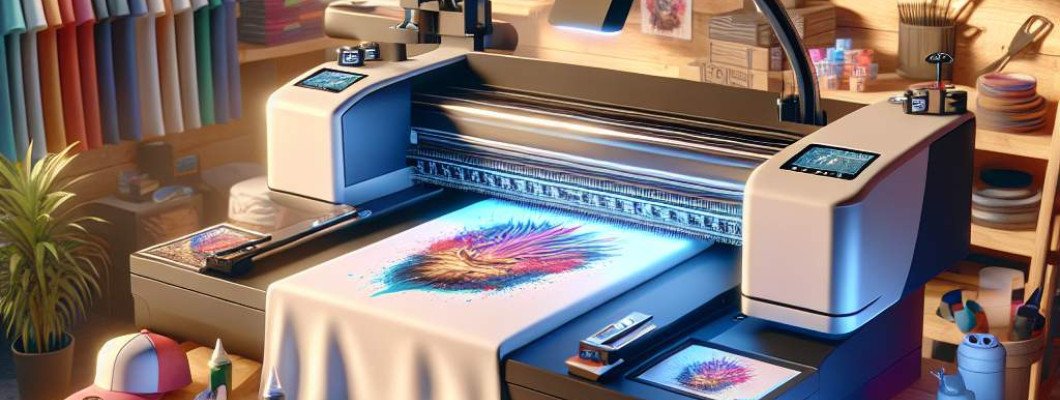
Direct-to-Garment (DTG) printers are digital devices that print designs directly onto fabric, much like a large inkjet printer. They use specialized water-based inks that produce vivid colors and fine details. Unlike traditional methods, they don"t require screens or stencils, which means setup times are minimal. When demand is unpredictable, this flexibility is invaluable.
With a DTG printer, brands can:
- Produce small batches or single items without incurring high costs
- Quickly modify designs in response to market trends or customer feedback
- Offer on-demand printing to reduce waste and inventory risks
- Maintain high-quality output suitable for premium apparel markets
How DTG Printing Transforms Response to Fluctuating Demand
Flexible inventory management is a cornerstone of modern apparel brands, especially those catering to niche markets or streetwear. Here"s how a DTG printer empowers brands:
- Rapid Production – Need fresh designs or limited editions? Print them on demand without delays. For example, when a trending meme or social cause goes viral, you can launch a new design overnight.
- Cost Efficiency – Minimize waste by avoiding overproduction. Only print what you sell, reducing storage costs and unsold stock.
- Customization – Offering personalized apparel is more feasible with DTG. Customers love bespoke designs, and you can cater to their needs instantly.
- Speed to Market – Get products into customers" hands faster, giving you an edge over competitors relying on traditional printing methods.
- Test Market Trends – Experiment with new designs and concepts without risking large investments, reacting swiftly based on real-time sales data.
Implementing DTG Printing in Your Brand: Practical Tips
Transitioning to DTG printing might seem daunting, but with the right approach, it becomes a strategic asset. Here are some practical tips:
- Evaluate Your Production Needs – Consider your typical order volume and design complexity. If you often need short runs or custom designs, DTG is a perfect fit.
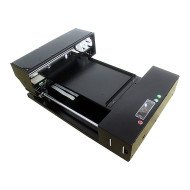
- Invest in Quality Equipment – Choose reliable DTG printers, such as the A3 DTG Printer. Quality machinery ensures consistent output and less downtime.
- Train Your Team – Proper training on maintenance, troubleshooting, and design preparation maximizes productivity and quality.
- Optimize Your Workflow – Integrate your printing process with your order management system to streamline production schedules.
- Focus on Design Quality – Use high-resolution artwork and fabric pre-treatment to ensure vibrant, durable prints that satisfy your customers.
Challenges to Watch Out For and How to Overcome Them
While DTG printing offers flexibility, it"s not without challenges:
- Cost of Equipment – DTG printers can be expensive upfront. Consider long-term savings and increased revenue potential when investing.
- Print Speed Limitations – For very high volumes, traditional methods might still be faster. Use DTG for short runs and on-demand orders.
- Fabric Compatibility – Not all fabrics respond equally well to DTG. Cotton and cotton-blends are ideal. Ensure fabric pre-treatment for best results.
- Color Limitations – Complex color designs require skill and quality inks. Regular maintenance and proper calibration are essential.
Overcoming these hurdles involves careful planning, ongoing training, and choosing the right hardware. With patience and expertise, DTG can become a core part of your fast-response strategy.
FAQs About Using a DTG Printer for Apparel Demand Fluctuations
1. How quickly can I start printing with a DTG machine?
If you invest in a quality DTG printer and provide proper training, you can begin printing custom designs within a few days to a week, depending on setup and preparation.
2. Is DTG printing cost-effective for small runs?
Yes. Unlike screen printing, DTG doesn"t require expensive screen setups, so small batches or even single items are economical and efficient.
3. Can I print on all types of fabric?
DTG works best on light-colored, 100% cotton fabrics. For polyester or dark fabrics, additional pre-treatment or different methods may be necessary.
4. How does DTG impact production time during peak demand?
DTG printers provide fast turnaround times for small orders, allowing your brand to respond quickly. For heavy volumes, consider combining DTG with other printing techniques.
5. What maintenance does a DTG printer require?
Regular cleaning, ink refilling, and calibration are essential to keep the printer performing optimally. Most manufacturers provide detailed maintenance guidelines.
Embracing a DTG printer empowers apparel brands to stay agile amid unpredictable demand, streamline their production, and offer personalized, high-quality garments rapidly. If you"re ready to take control of your supply chain and react swiftly to market trends, exploring a top-tier DTG printer such as the A3 DTG Printer could be your next strategic move.














Leave a Comment