
How Designers and Manufacturers Collaborate Better with a UV Printer

Are you struggling to get your design and manufacturing teams working seamlessly together? Do you find that miscommunication leads to delays, costly errors, or compromised quality? If these challenges sound familiar, you"re not alone. Many businesses discover that integrating efficient printing solutions can bridge the gap between creative ideas and their physical realization.
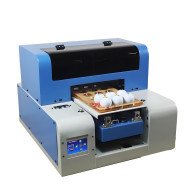
One game-changing technology that"s transforming collaboration in the manufacturing industry is the UV printer. With its precise, vibrant, and durable printing capabilities, UV printing enables designers and manufacturers to communicate more effectively, reduce errors, and accelerate production timelines. Understanding how to leverage a UV printer like the Spot UV Printing Machine can make your workflows smoother and boost your product quality.
What Makes UV Printing a Collaboration Catalyst?
UV printers differ from traditional printing methods because they use ultraviolet light to instantly cure the ink onto various substrates. This innovative process offers several advantages that facilitate better teamwork:
- High precision and detail — Designers can add intricate patterns, textures, and color effects that are faithfully reproduced in the final product.
- Compatibility with diverse materials — From plastics and glass to metals and wood, UV printing adapts to a range of surfaces, making prototype validation and customization easier.
- Vibrant, durable finishes — Bright colors and protective coatings enhance aesthetic appeal and longevity, reducing rework and returns.
- Fast turnaround and minimal setup — Unlike traditional methods, UV printing"s quick setup means faster proofing and iteration cycles, keeping projects on track.
Imagine a fashion brand wanting to print intricate logos on accessories. Instead of lengthy processes or outsourcing, they can now design, print, and test prototypes in-house rapidly. This immediate feedback loop accelerates decision-making and fosters a stronger partnership between designers and manufacturers.
Ways to Optimize Collaboration Using UV Printing Technology
Successful collaboration with a UV printer involves more than just owning the equipment. It requires strategic integration and workflow adjustments:
- Align creative and production goals early — Ensure designers understand the capabilities and limitations of UV printing to set realistic expectations.
- Implement joint review sessions — Use UV print proofs for collaborative feedback, making sure the design intent matches the final output.
- Standardize file formats and print settings — Clear guidelines prevent errors and streamline the transition from design to production.
- Train teams on UV printing techniques — Skilled operators ensure high-quality results and efficient use of the printer.
- Establish a continuous feedback loop — Use every project as a learning opportunity. Adjust protocols based on outcomes to improve collaboration over time.
For instance, a furniture manufacturer integrated UV printing into their product line, allowing designers to add custom textures and branding directly on furniture pieces. Regular meetings and shared digital files allowed both teams to modify and approve designs swiftly, reducing development time by 30%.
If you"re serious about boosting your collaboration, consider the benefits of a dedicated UV printer like the Spot UV Printing Machine. It offers even greater control over finishes, enhances visual appeal, and simplifies complex projects, making it a smart investment for innovative teams.
Real User FAQs About UV Printing and Collaboration
1. How does UV printing improve product design collaboration?
UV printing allows for precise, vibrant, and customizable prints directly onto multiple materials. This immediacy helps designers see their ideas realized quickly, enabling faster iteration and alignment with manufacturing needs.
2. Can UV printers handle small batches and prototypes?
Absolutely. UV printers are ideal for small runs, prototypes, or customizing individual pieces, which makes them perfect for collaborative development and testing without large investments.
3. What should I consider when integrating a UV printer into my workflow?
Focus on compatibility with your materials, training your staff on optimal settings, and establishing clear communication channels between design and production teams. Proper planning ensures smooth operation and high-quality results.
4. How durable are UV prints for commercial products?
UV printing produces highly durable finishes resistant to scratches, UV rays, and chemical exposure. This durability enhances product longevity and reduces returns or warranty claims.
5. Is UV printing cost-effective for small manufacturers?
Yes, especially when considering the savings on outsourcing, short lead times, and the ability to create premium finishes. Over time, UV printing can reduce costs while offering flexibility and quality improvements.














Leave a Comment