
Choosing a UV Printer Based on Application, Not Just Specifications
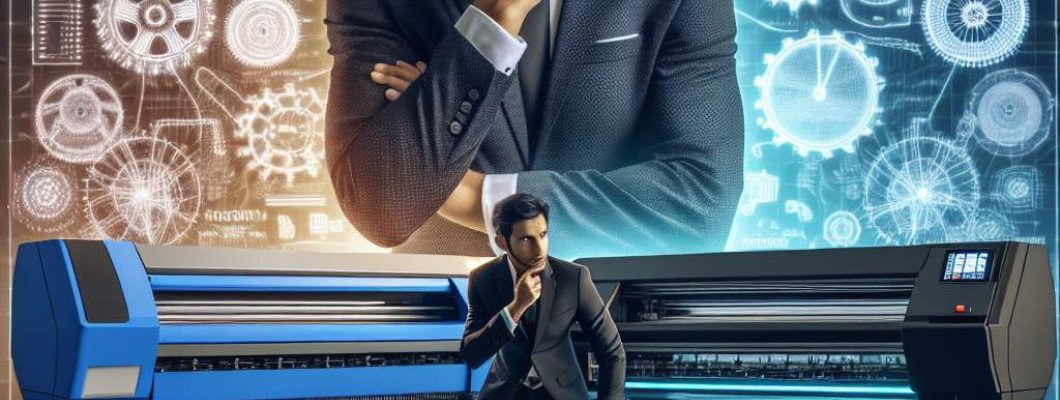
Are you struggling to choose the right UV printer for your business?
Maybe you've been looking at specifications like print resolution, speed, or ink options, but something just doesn"t feel right. I get it—there"s so much technical jargon out there, and it"s easy to get overwhelmed. I remember chatting with a friend who runs a small print shop. They kept comparing specs but weren"t seeing the results they needed for their specific projects. That"s when it hit me: selecting a UV printer based solely on specs can lead to mismatched expectations and wasted investment.
Why Application Should Be Your Top Priority
Specs Aren"t the Whole Story
It"s tempting to focus on key specifications like resolution or print speed. But these numbers only matter when they align with your actual application. For example, if you mainly print on small promotional items, a high-resolution printer designed for large-format banners might be overkill. Instead, you need a machine tailored for detailed, small-scale work.
Think about what you"ll be printing daily. Will you print textured surfaces, curved objects, or glossy finishes? The right UV printer is one that fits your operations, not just ticks boxes on a spec sheet. For example, a shop producing customized jewelry will need different features than a manufacturer printing on industrial components.
Matching Your Application to the Right UV Printer
Know Your Materials and Substrates
- What surfaces are you printing on? Flat, curved, transparent, or textured surfaces? Different printers are specialized for different substrates.
- What materials are involved? Wood, plastic, glass, metal? Some UV printers handle certain materials better than others.
- What finishing effects do you want? Glossy, matte, textured? Consider whether the UV coating capability matches your finishing desires.
For instance, if you"re printing on curved glass surfaces, you need a printer with a flexible carriage or multi-axis movement. For printing on metallic items, look for UV machines with compatible ink sets that adhere well to metal.
Fast Facts: Choosing Based on Application
- Durability Needs: If your prints need to withstand outdoor conditions, choose a UV printer with strong UV curing and weather-resistant inks.
- Color Precision: For highly detailed, color-rich work, prioritize printers with advanced color management features.
- Production Volume: High-volume needs might require machines with faster throughput, but only if they match your substrate flexibility.
- Size and Space: Make sure your workspace can accommodate the printer size suitable for your typical project dimensions.
Case Study: From Specs to Success
Let me tell you about a client I worked with—an artist atelier that specialized in customized skateboard decks. They initially thought about a printer with ultra-high resolution based on specs alone. But when we discussed their real needs, it turned out they mostly needed a machine capable of printing vibrant, durable artwork on uneven, curved surfaces. We found a UV printer tailored for printing on curved, textured surfaces with quick curing times. The end result? They saved money, improved their workflow, and produced more vibrant, longer-lasting designs. That"s the power of choosing based on application.
Key Features to Consider for Your Application
Here"s a quick checklist to help you match your needs with the right UV printer:
- Print Area and Size: Can it accommodate your typical projects?
- Inks and Compatibility: Does it support the materials you use?
- Surface Compatibility: Is it suitable for flat, curved, or textured surfaces?
- Speed and Throughput: Will it keep up with your production capacity?
- Finishing Options: Does it offer gloss, matte, or textured coating features?
- Maintenance and Support: How easy is it to maintain, and is support available locally?
Checking these features against your typical application will ensure a much more satisfying purchase and outcome.
Looking for a versatile UV printer that adapts to your application?
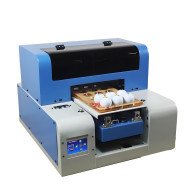
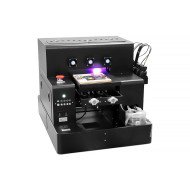
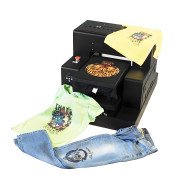
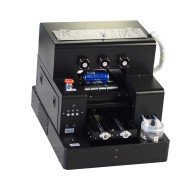
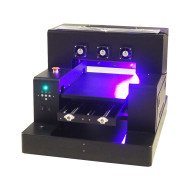
Check out the Spot UV Printing Machine offered by GNFEI. It"s known for its flexibility, excellent surface adhesion, and glossy finishing capabilities — perfect for a wide range of substrates and applications. It"s designed with your specific needs in mind, not just high specs. Remember, the goal is to match your application, not just raw numbers.
FAQs: Applying Practical Knowledge to Your Choice
1. How do I determine which UV printer suits my business?
Start by analyzing your typical projects. Identify the materials, surface types, and finish effects you need. Then, look for a machine with features that match these requirements, rather than just focusing on high resolution or speed.
2. Can a UV printer handle flexible or textured surfaces?
Yes, but not all UV printers are created equal. Some models are designed specifically for curved or textured items, offering adjustable print heads and flexible mounting options. Always check compatibility before purchasing.
3. What should I consider regarding UV ink compatibility?
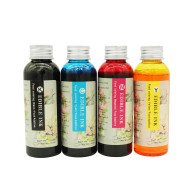
Ensure the UV printer supports inks that adhere well to your specific substrates. Some inks are better for plastics, others for glass or metal. Incompatibility can cause peeling or fading, impacting durability and quality.
4. How important is support and maintenance?
Very. A machine that"s easy to maintain with responsive support can save you time and money in the long run. Choose brands with good customer service and accessible parts.
5. Is a higher-resolution UV printer always better?
Not necessarily. Higher resolution is great for fine art or detailed graphics, but if you mainly print large banners or signage, a balance of speed and color accuracy might be more relevant.



Leave a Comment